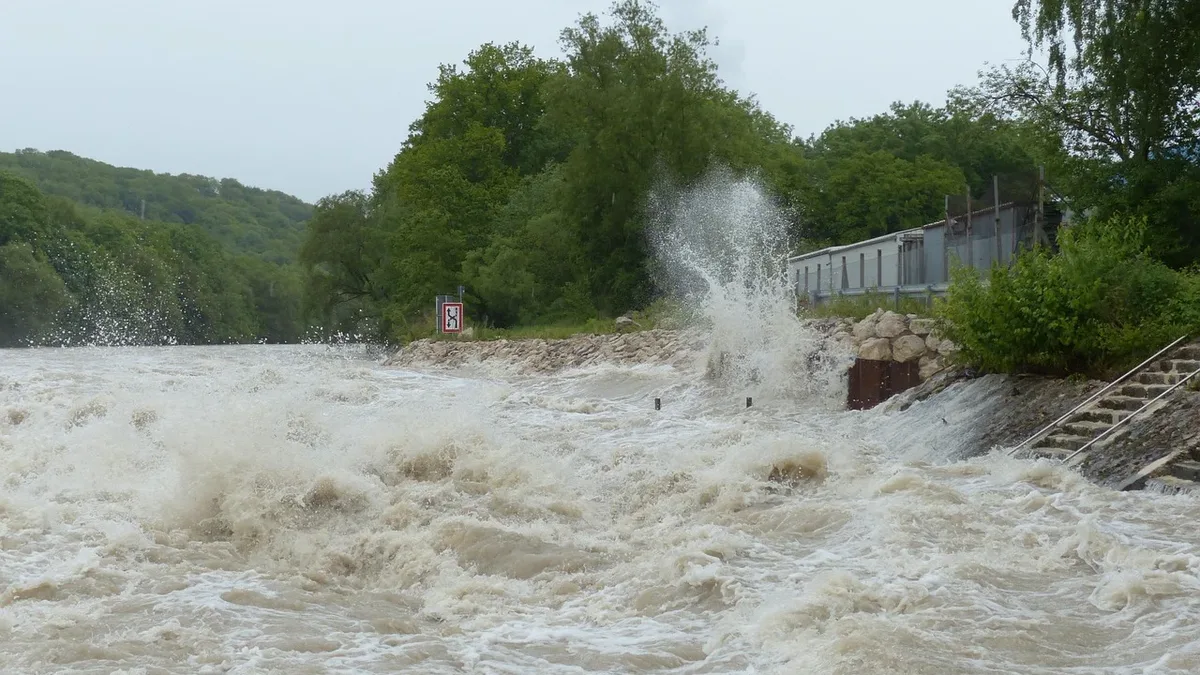
Wetland And Floodplain
| Primary Purpose | Flood attenuation and water quality improvement |
|---|---|
| Typical Size Range | From small riparian buffers to extensive riverine systems |
| Key Legal Designations | Ramsar, Clean Water Act Section 404, State-specific programs |
| Common Management Practices | Controlled burns, invasive species removal, hydrological restoration |
| Typical Native Vegetation | Cattails, sedges, willows, bottomland hardwoods |
| Major Threats | Drainage, invasive species, upstream development, pollution |
| Monitoring Indicators | Water table depth, vegetation composition, amphibian/bird presence |
Overview
A wetland and floodplain protection regime is a legal and management framework designed to conserve the ecological integrity of these interconnected aquatic ecosystems. Wetlands are areas where water saturates the soil or covers the surface for significant periods, while floodplains are the low-lying lands adjacent to rivers and streams that periodically flood. The regime typically involves regulations that restrict or control activities like dredging, filling, drainage, and construction within designated boundaries. Its primary goals are to maintain natural hydrology, protect water quality through filtration, and preserve habitat for a wide array of plant, animal, and aquatic species. These frameworks are often established through a combination of national legislation, such as the Clean Water Act in the United States, and local zoning ordinances. The condition of ecosystems under such a regime varies, but they generally exhibit higher biodiversity and better water retention capacity compared to unprotected, converted lands.
What to know
Key components of these regimes often include mandatory delineation studies to map the exact boundary of regulated areas based on soil, vegetation, and hydrologic indicators. Permitting is a central process, requiring landowners or developers to seek approval for any proposed impact, with mitigation such as creating new wetlands often required to offset permitted losses. Enforcement is carried out by environmental agencies which can issue violations and require restoration for non-compliance. The regimes recognize the critical functions these areas serve, including natural flood control by storing excess stormwater and slowly releasing it, which reduces downstream flooding. They also protect groundwater recharge zones and trap sediments and pollutants like fertilizers before they enter major waterways. Understanding that these are dynamic systems, some advanced regimes incorporate adaptive management strategies to account for changes in climate and watershed conditions.
Common questions
A frequent question is what specific activities are prohibited or regulated, which commonly includes dumping, land clearing, building structures, and altering drainage patterns without a permit. Landowners often ask about the process for determining if a parcel contains regulated wetlands, which requires a formal assessment by a certified specialist following federal or regional technical standards. Many inquire about exemptions, which are typically narrow and may include ongoing agricultural or forestry practices established before regulations, though these often still have restrictions. People wonder about the potential for property value impact, which can be complex as restrictions may limit development potential but can also provide ecological benefits and flood resilience. Questions about mitigation banking arise, where developers can purchase credits from professionally restored wetland sites to compensate for impacts elsewhere. There is also common confusion between federal, state, and local levels of authority, as multiple overlapping regulations may apply to a single site.
Pros and cons
A significant pro is the proven ecological benefit, as these regimes effectively preserve biodiversity hotspots and maintain natural water purification and flood control services that would be enormously expensive to replicate artificially. They provide long-term stability for species that depend on these habitats for their entire life cycle. A major con is the imposition on private property rights, which can create financial hardship for landowners who perceive their land's development value as being taken without full compensation. The regulatory process can be slow, bureaucratic, and costly due to the need for specialist studies and legal consultations, frustrating both homeowners and developers. A common mistake is purchasing property without conducting a proper delineation, leading to unexpected permitting delays, denied plans, or costly redesigns mid-project. Those who often regret the regime are individual landowners with small plots who feel the rules are overly rigid and disproportionate to the ecological value of their specific parcel, and developers who face high mitigation costs that make some projects financially unviable.
Who it suits
This protection regime suits environmental agencies and conservation organizations seeking a structured, legal tool to prevent the continued net loss of these vital ecosystems. It is suited to watershed managers and flood control districts that rely on natural infrastructure to reduce community flood risks and manage water quality cost-effectively. The framework suits scientists and researchers who require stable, protected areas for long-term ecological study and monitoring of wetland processes. It is appropriate for municipalities that prioritize green infrastructure and resilience as part of their land-use planning and climate adaptation strategies. The regime also suits certain landowners, such as those who wish to preserve the natural character of their land for personal or heritage reasons and may benefit from conservation easements or tax incentives. Finally, it suits the general public by safeguarding ecosystem services that contribute to clean water and reduced disaster risk, even if this benefit is not always directly visible.