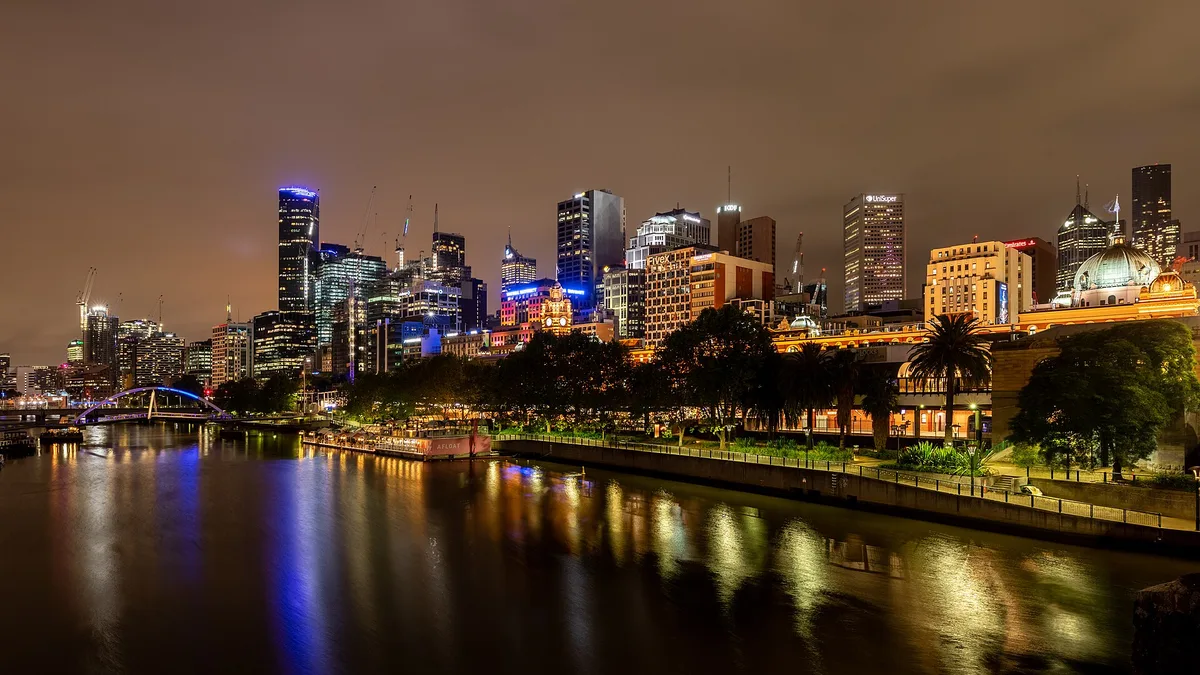
Light Pollution
Artificial light that alters natural...
Pressures on The Eco Room: Habitat loss and fragmentation, Agricultural intensification, Water abstraction and drought, Nutrient pollution and eutrophication, Sewage and water quality and Invasive species.
Artificial light that alters natural...
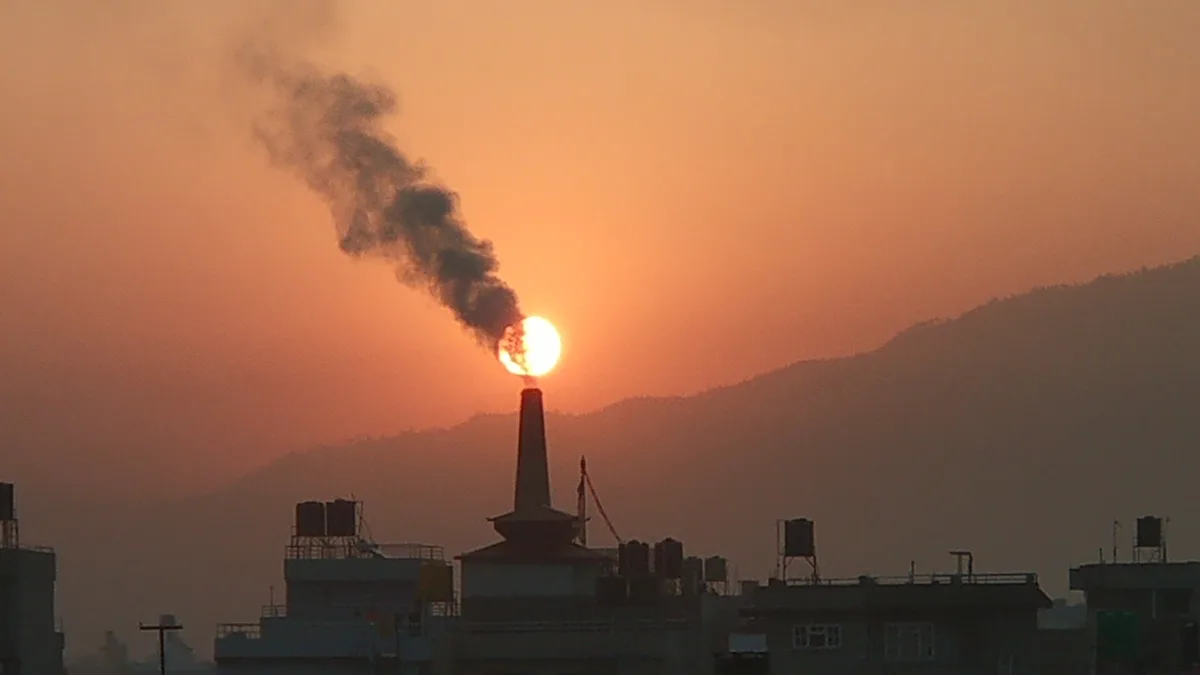
Nitrogen and phosphorus compounds · Agricultural runoff, wastewater...

Anthropogenic chemical · Toxicity

Municipal wastewater, industrial... · Organic matter, nutrients, pathogens...
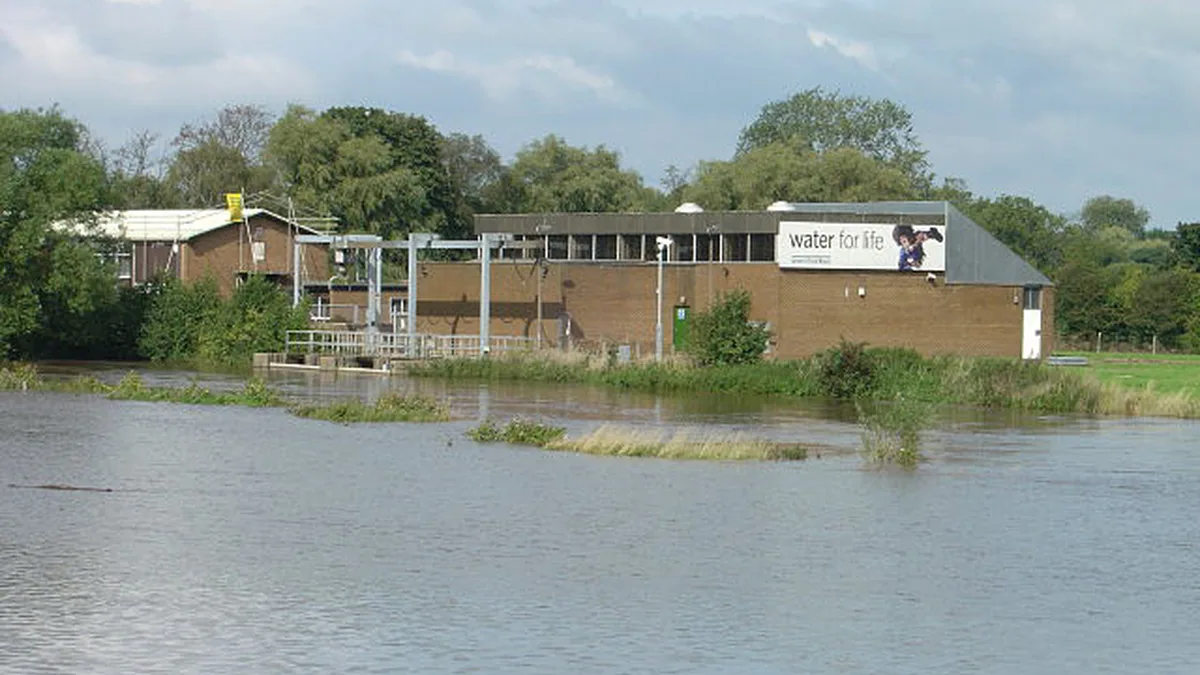
The removal of water from its natural... · Surface water (rivers, lakes) and...
Water quality monitoring ecosystem · Track and report on water quality...

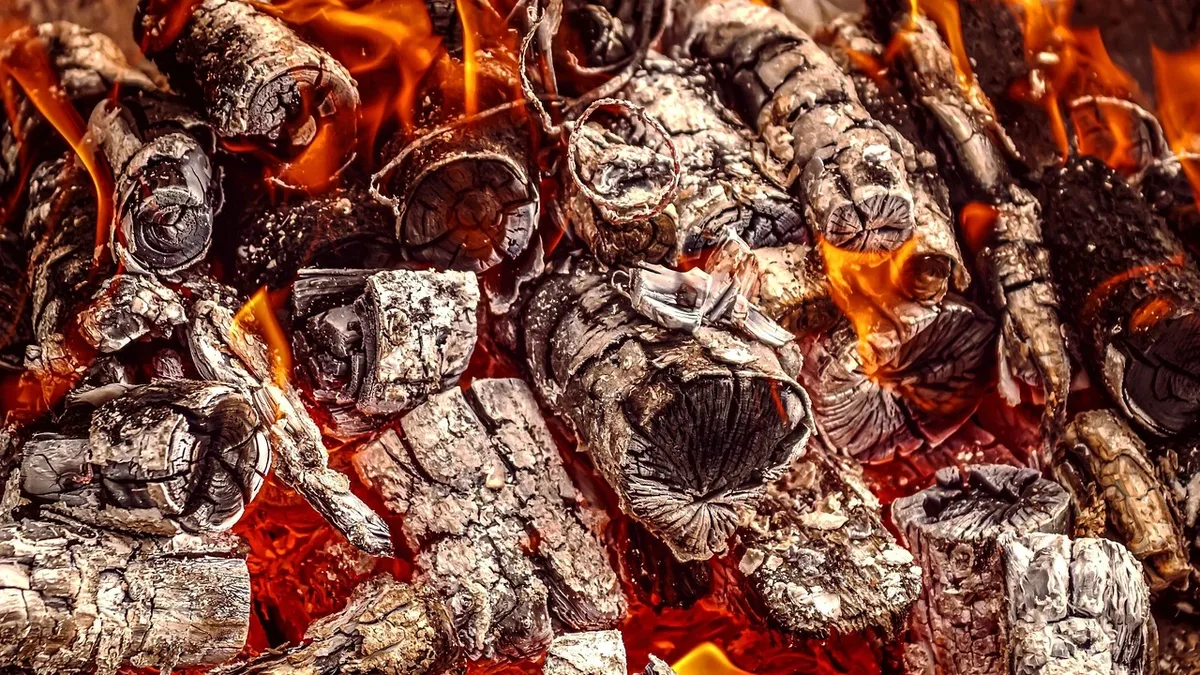
New research across six European cities finds children's exposure to harmful PAHs from domestic wood-burning rivals traffic pollution.
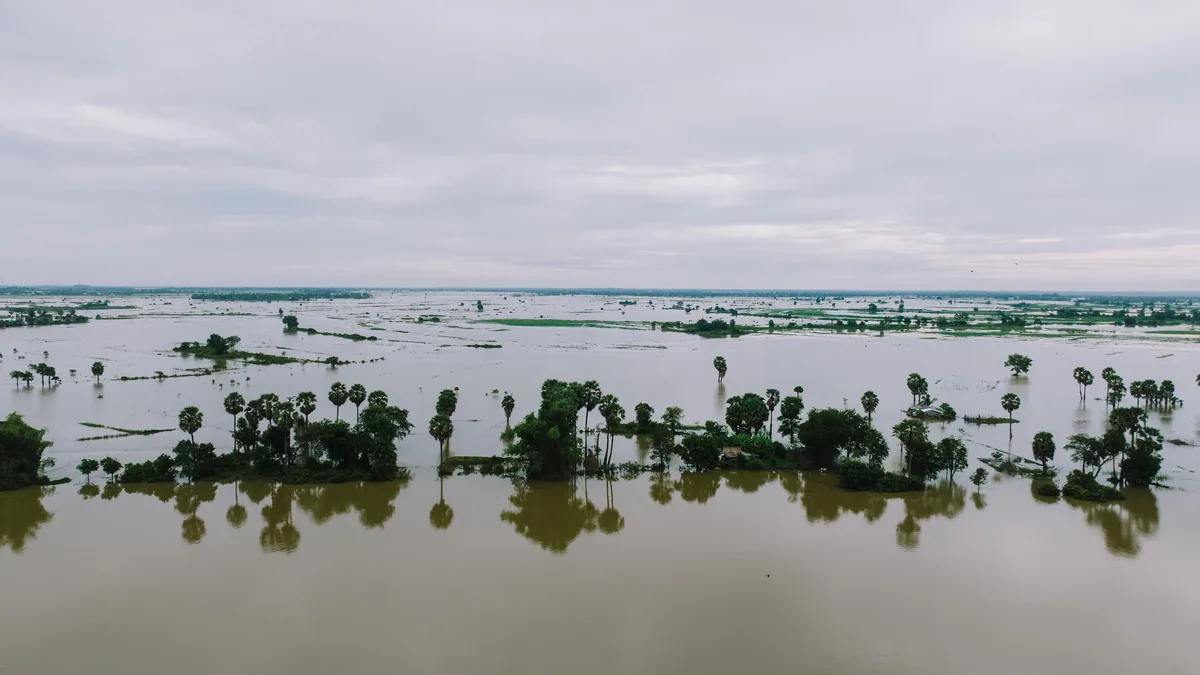
A new global assessment finds rising seas could inundate habitat for up to 15,000 land vertebrate species by the century's end.
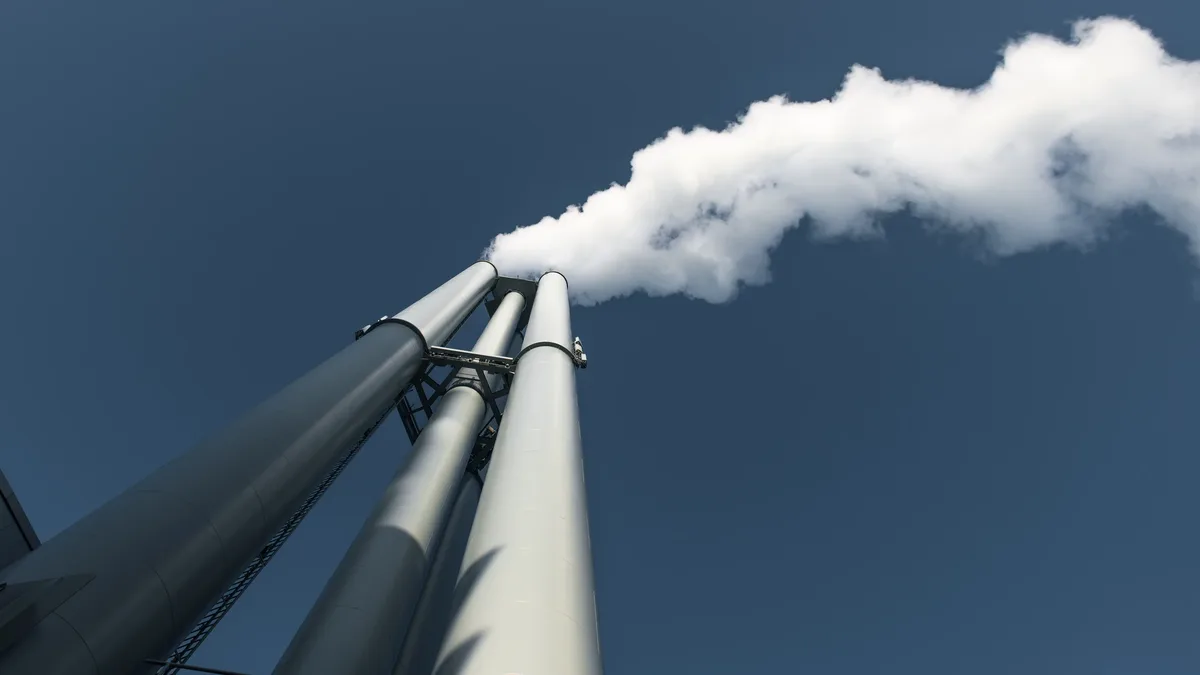
President Trump announced a proposal to dismantle Biden-era methane rules for the oil and gas industry, claiming $45 billion in savings.
Researchers have created a low-cost, portable platform using screen-printed electrodes and molecularly imprinted polymers to detect harmful 'forever chemicals' in water on the spot, offering a potential alternative to lab testing.
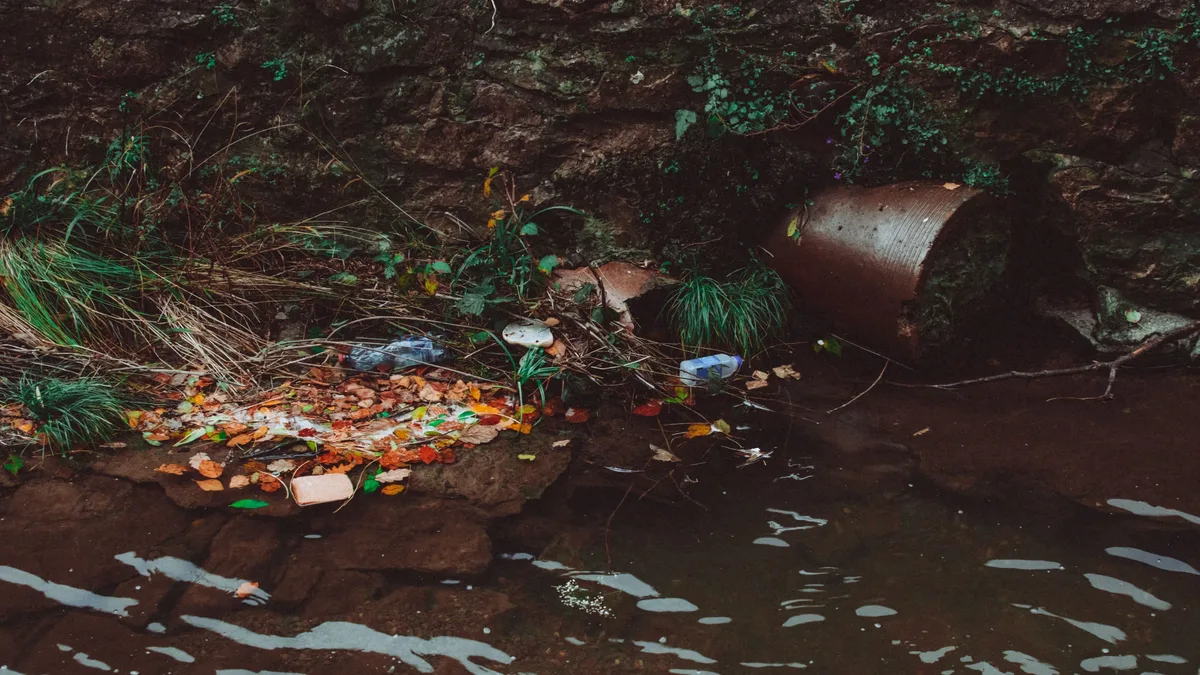
A £3.6 billion project proposes a 12-mile tunnel to stop sewage discharges into England's largest lake, Windermere, by 2035. The plan would connect 12,800 people to the sewage network for the first time.
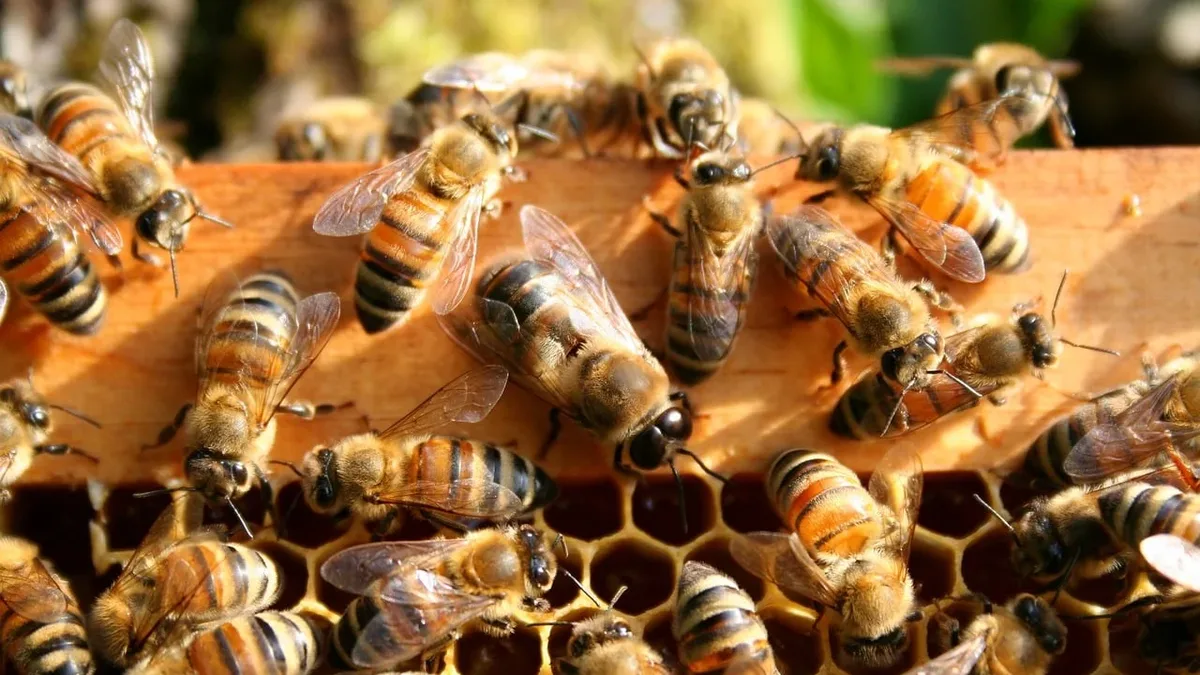
A study covering 88% of bee and hover fly species across Europe found most wild bee species and about half of hover fly species have declined since 1921, with steepest drops in Atlantic and Continental regions. Research links declines to competition from managed honeybees and climate pressures, threatening food security as global biodiversity talks convene.
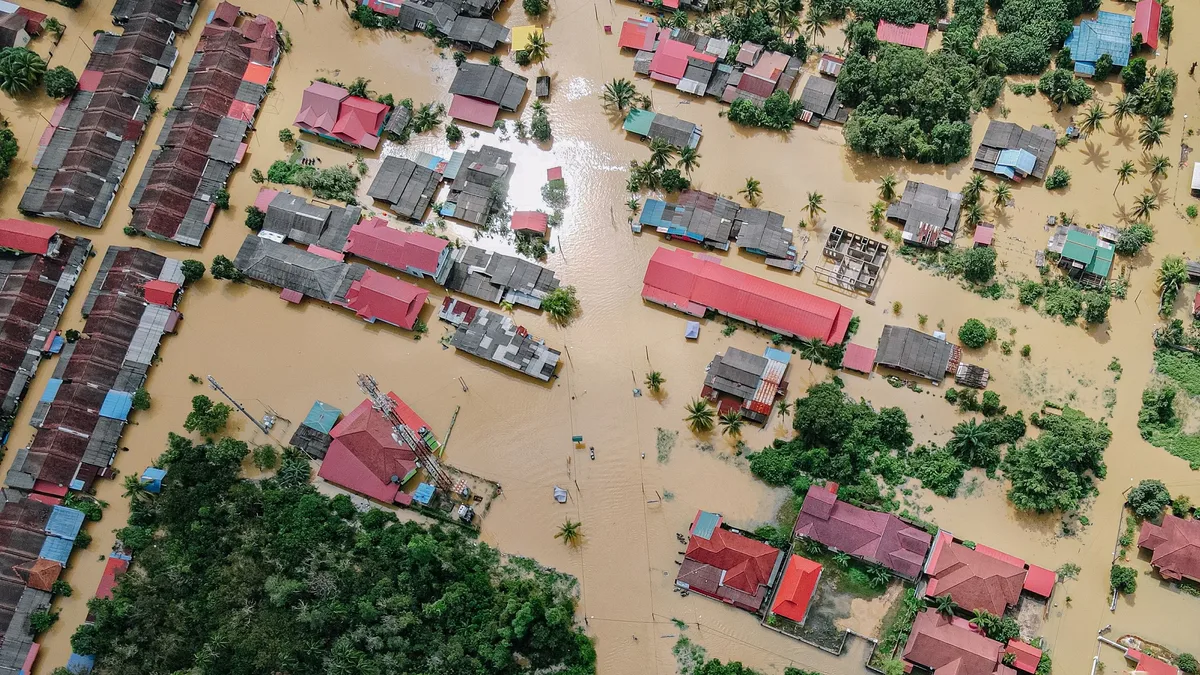
Built-up area in Nepal exposed to potential flooding grew by 46% from 2016 to 2023, putting nearly 300,000 people at risk in Himalayan valleys that channel both development and glacial lake outbursts.
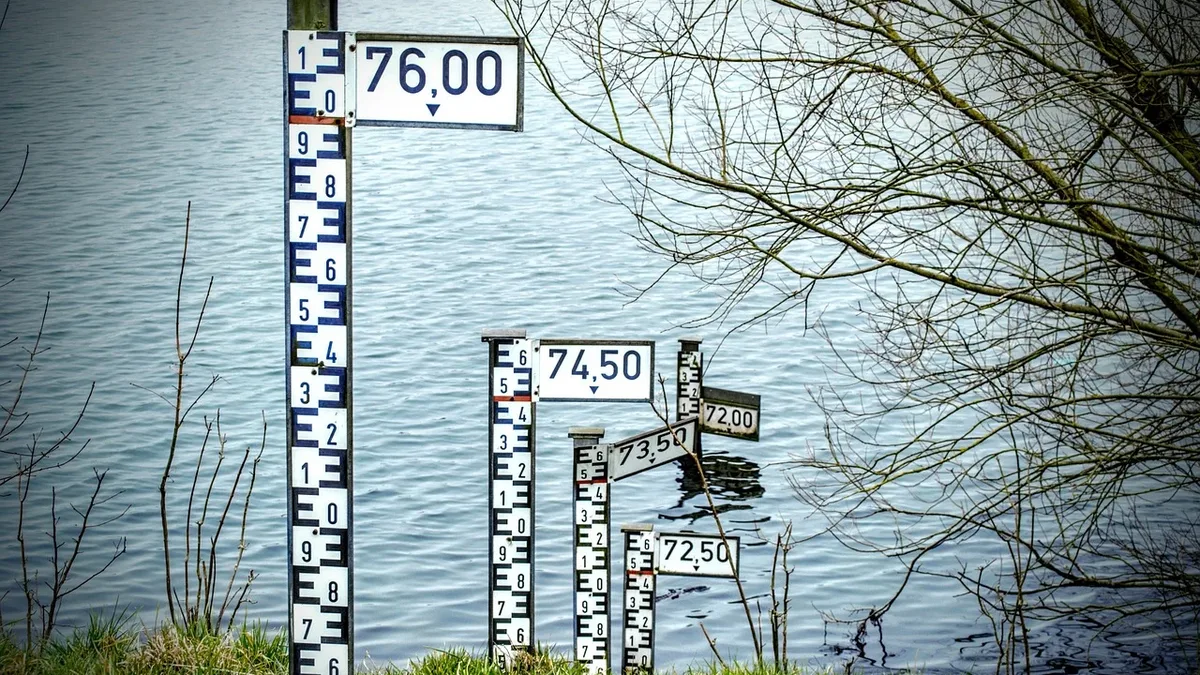
A new AI analysis of 40 years of Great Lakes data reveals water levels are driven by weather and human decisions from months prior, not only current conditions, improving forecast accuracy for flood and water management.
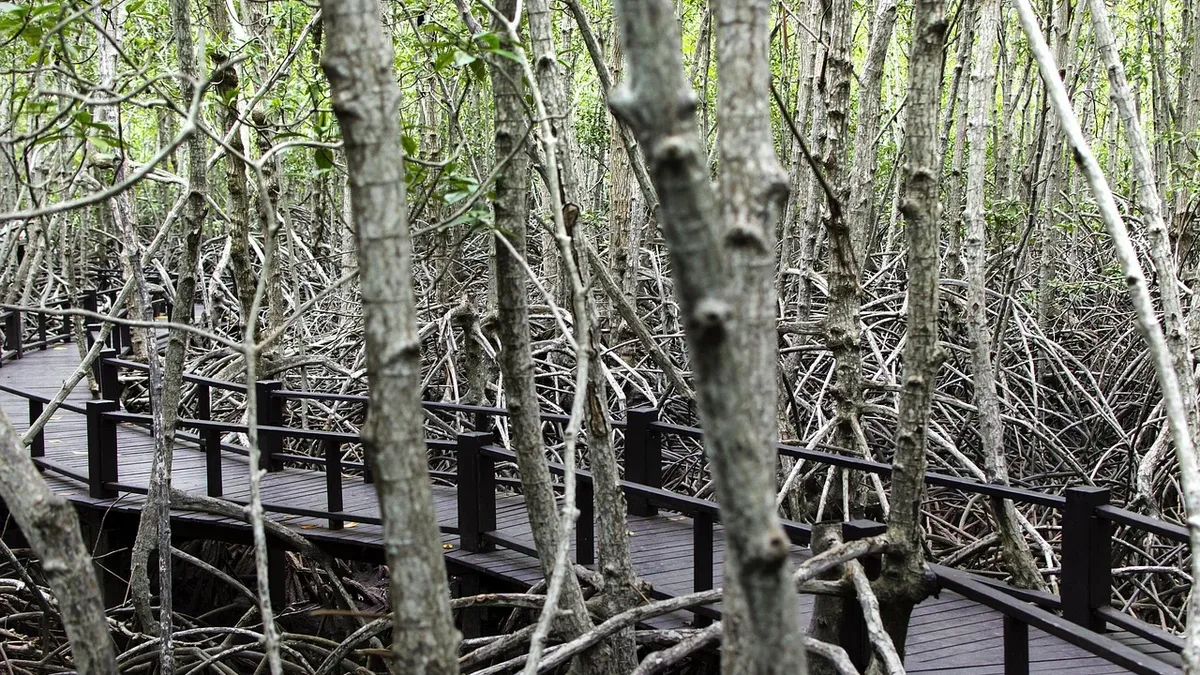
The 2026 State of the World’s Mangroves report confirms a global reversal in mangrove cover, with net gains after decades of loss.
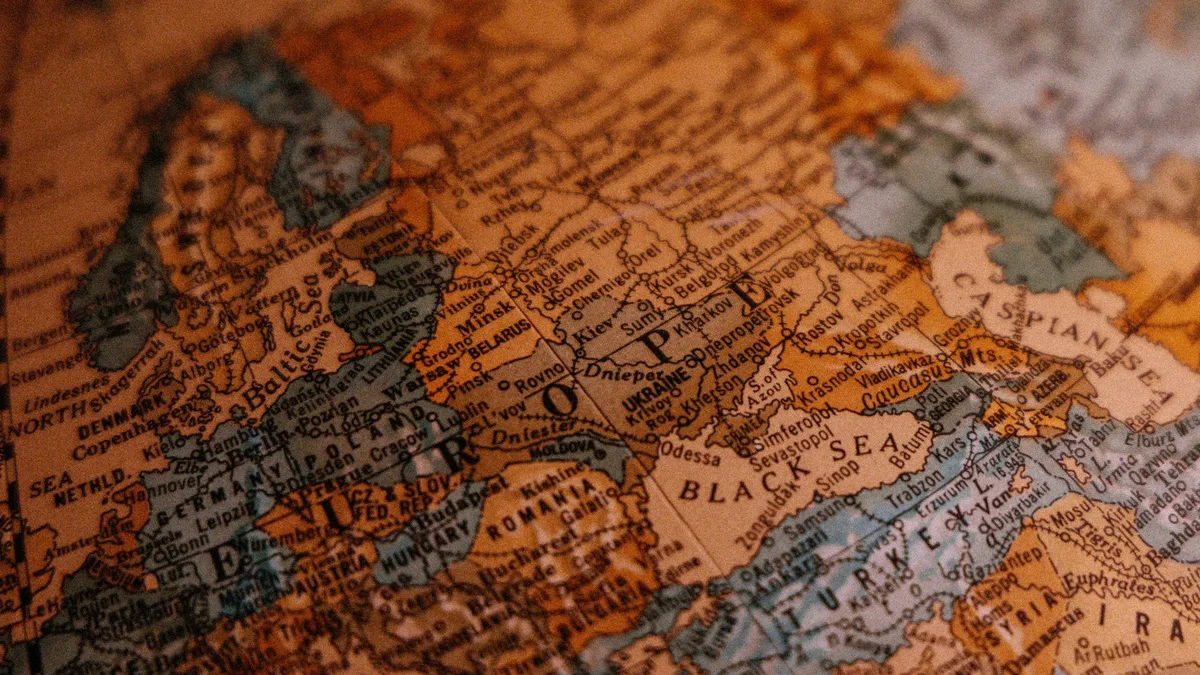
A four-year European research project has identified three key strategies for making soil and water management more resilient to climate change.
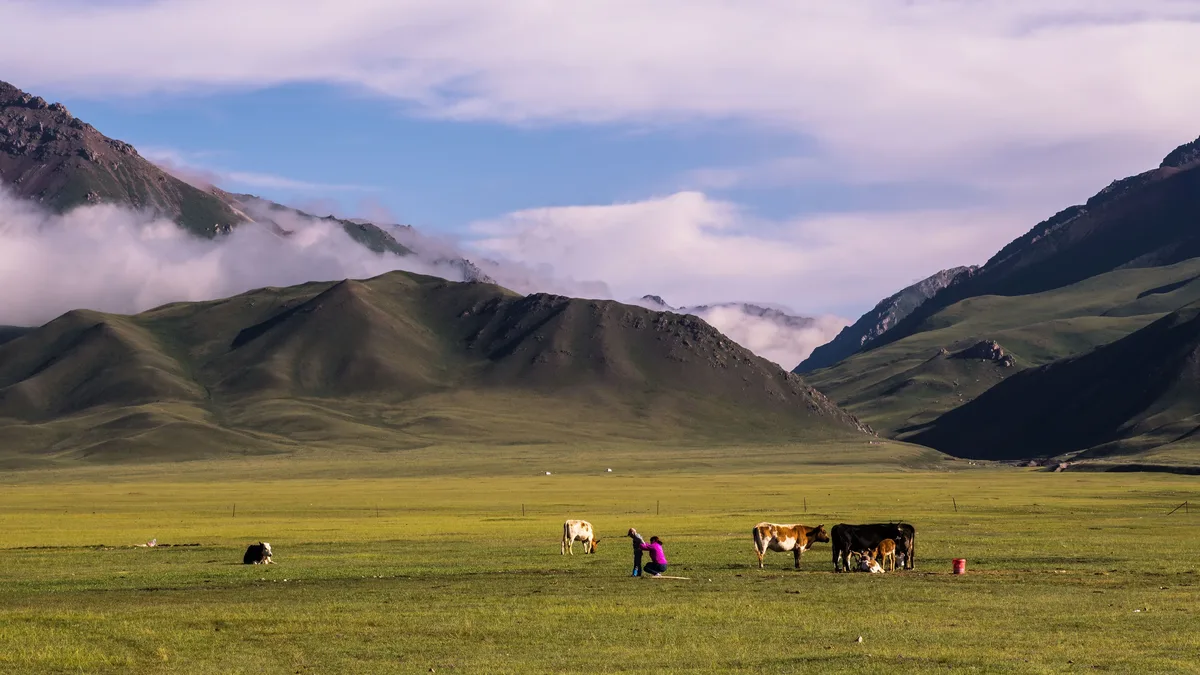
A study in Iceland's subarctic grasslands finds that continued livestock grazing enhances soil carbon storage.

A new film follows scientists racing to document species in the Pacific's Clarion Clipperton Zone, a region targeted for deep-sea mining.
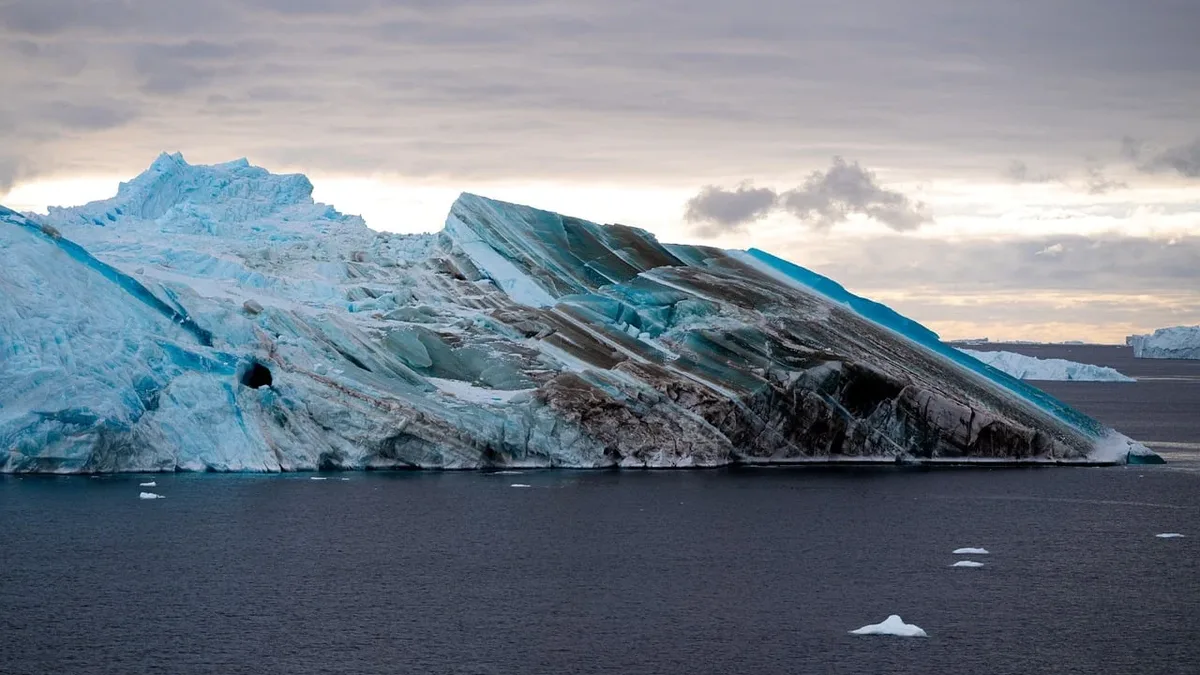
Brigham Young University geologists are studying rock glaciers in Utah and Colorado as potential late-summer water sources during the ongoing megadrought.
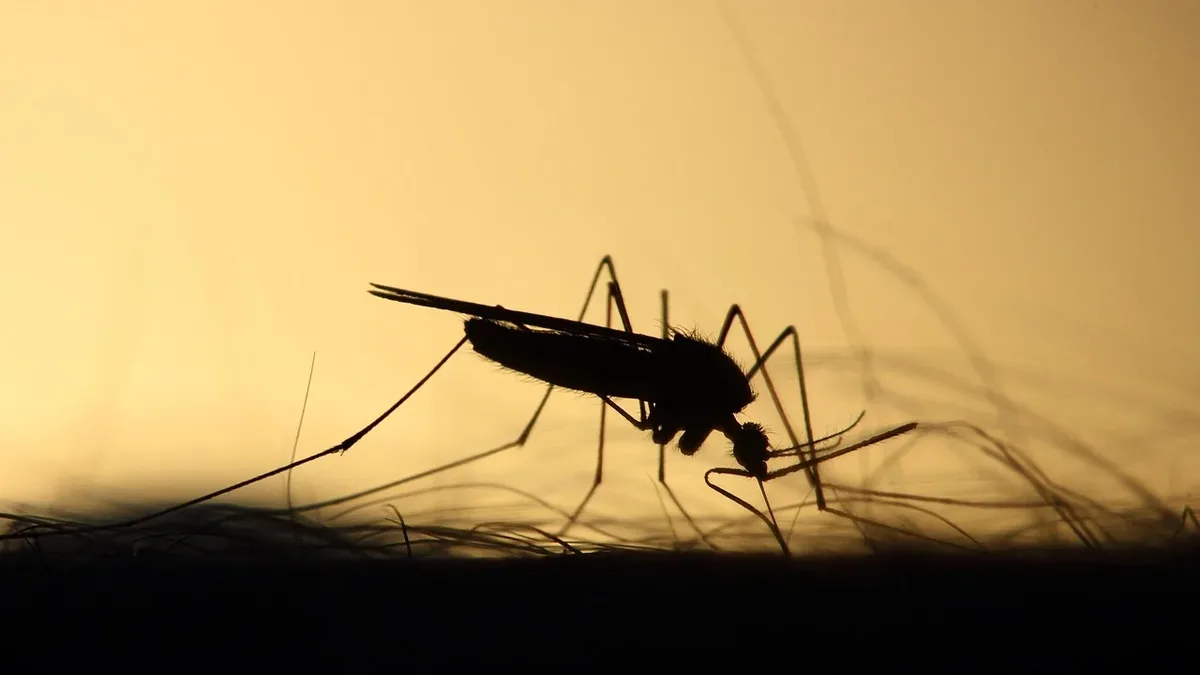
A California mosquito control district is releasing half a million sterile male mosquitoes to suppress disease-carrying populations.

A Columbia University study tracking over 1,100 children found that as air pollution levels in New York City fell over two decades, cognitive test scores improved.
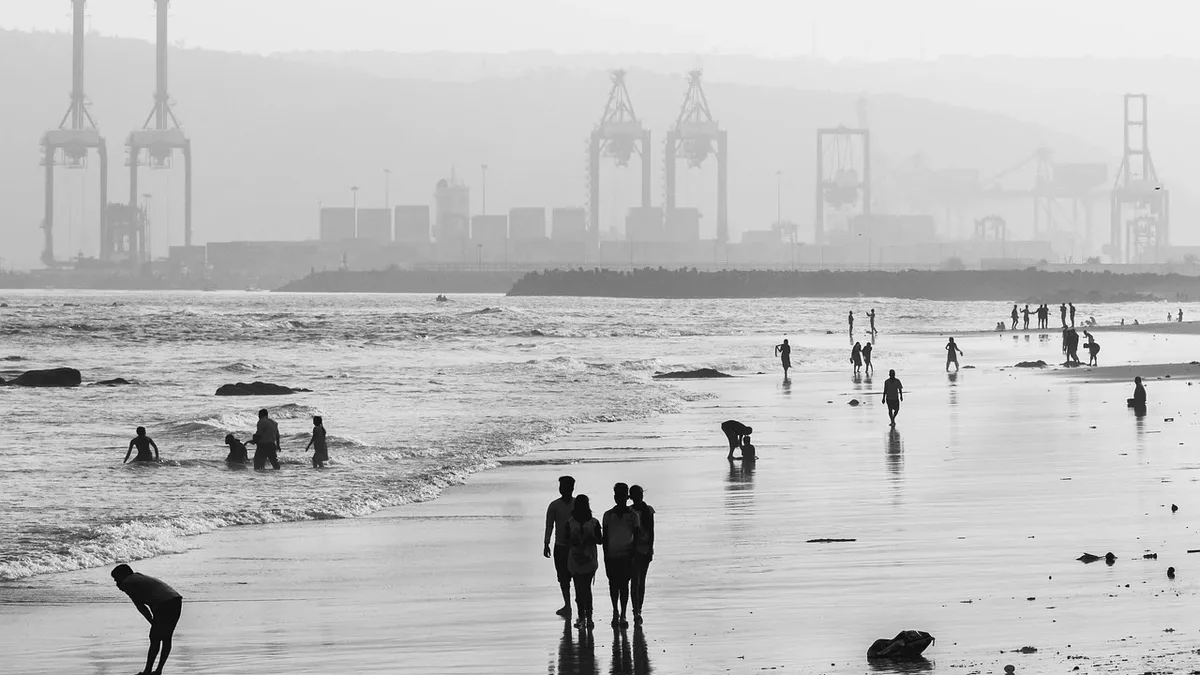
A new study finds human activities contribute more nitrogen than all natural sources in a quarter of the world's coastal waterways.
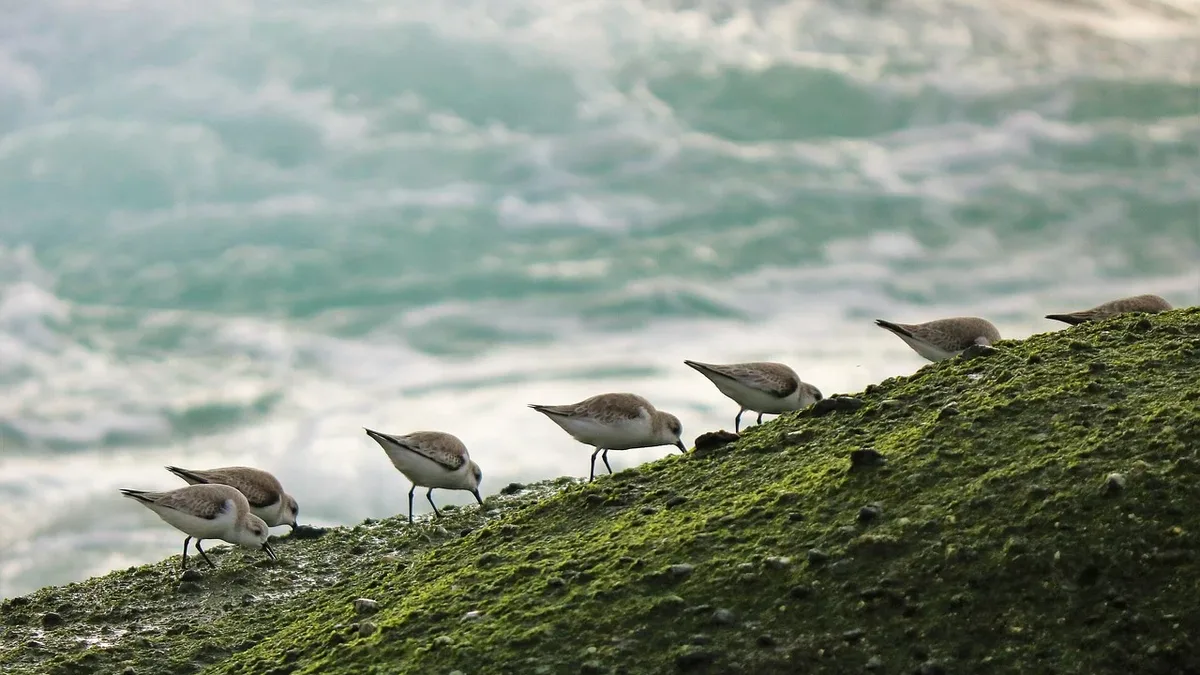
A BirdLife International report reveals 45% of migratory bird species are in decline, with 54% of shorebirds in steepest drop.
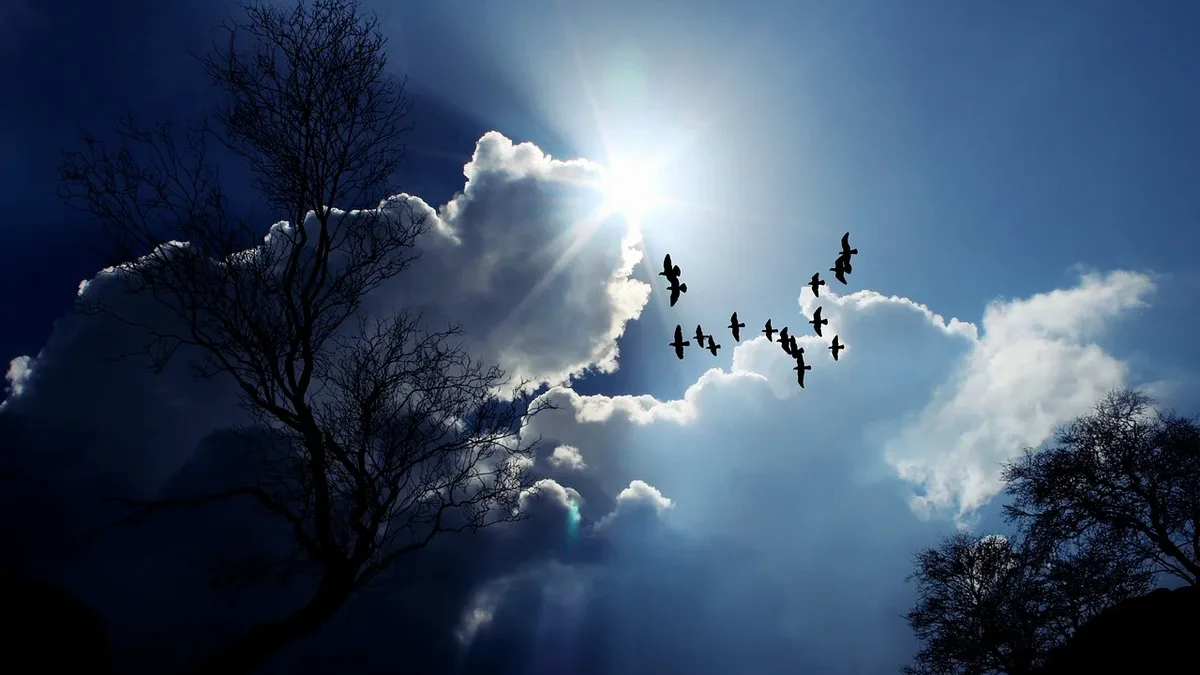
A BirdLife International report reveals 11% of migratory birds are threatened with extinction, with 45% in decline.
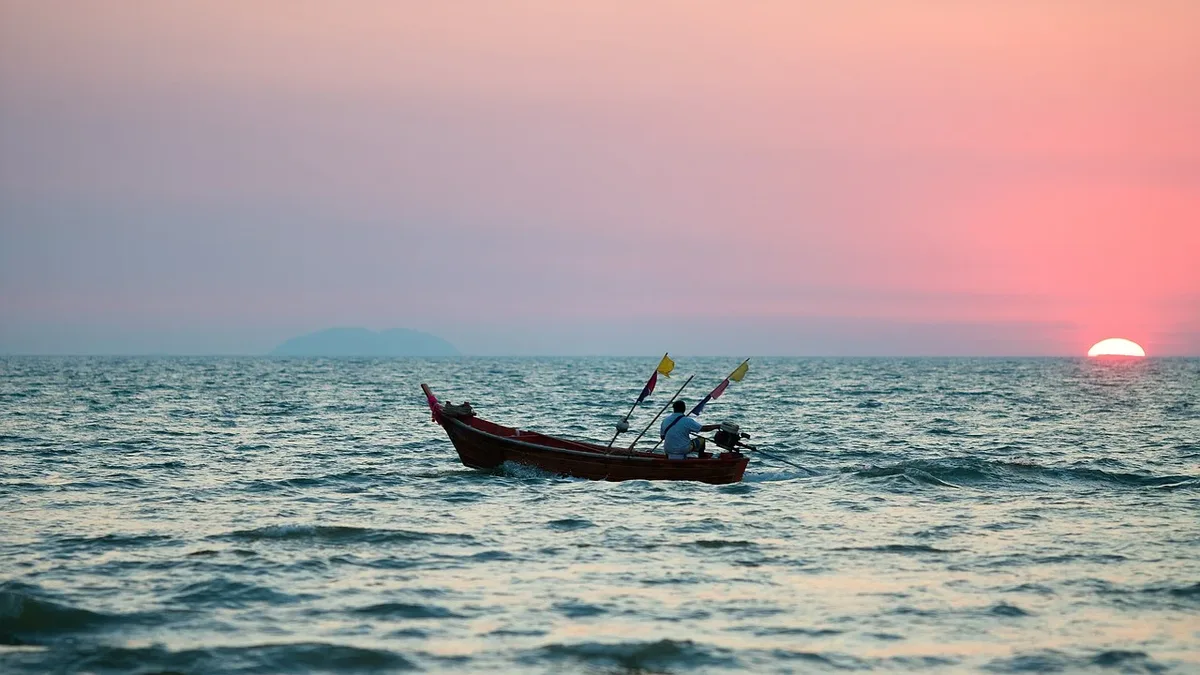
A coalition of environmental NGOs has filed a formal complaint with the European Ombudswoman.
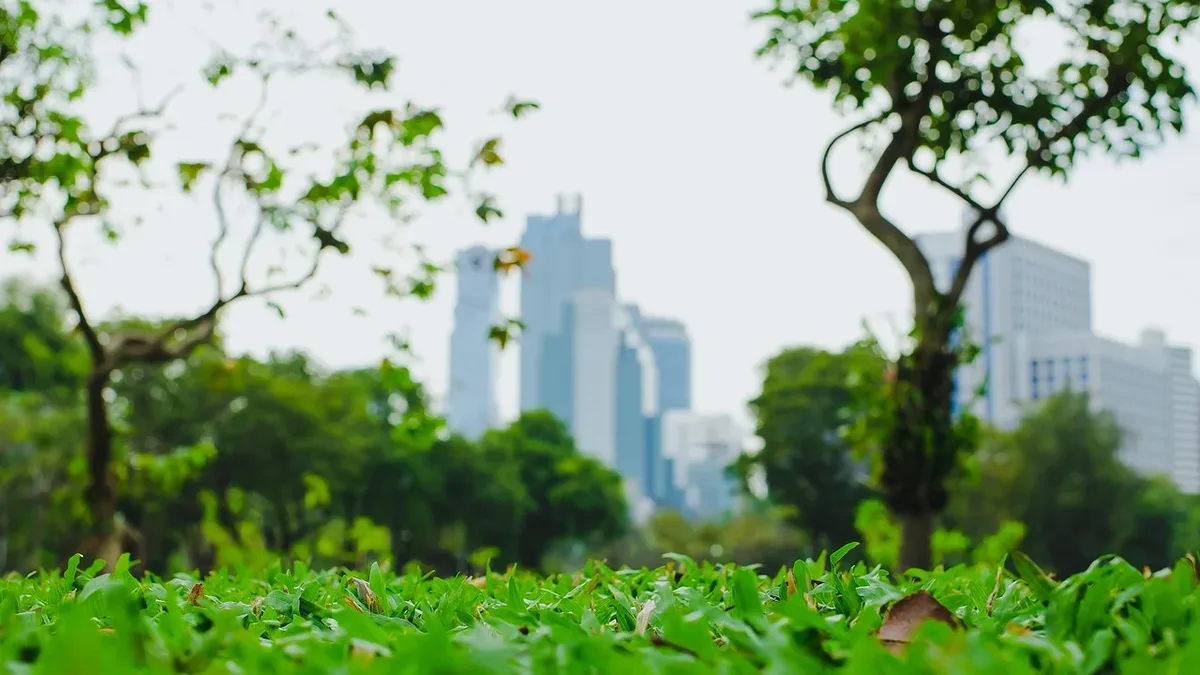
Ordnance Survey analysis identifies Portsmouth as Britain's most heat-vulnerable city now and in 2100.
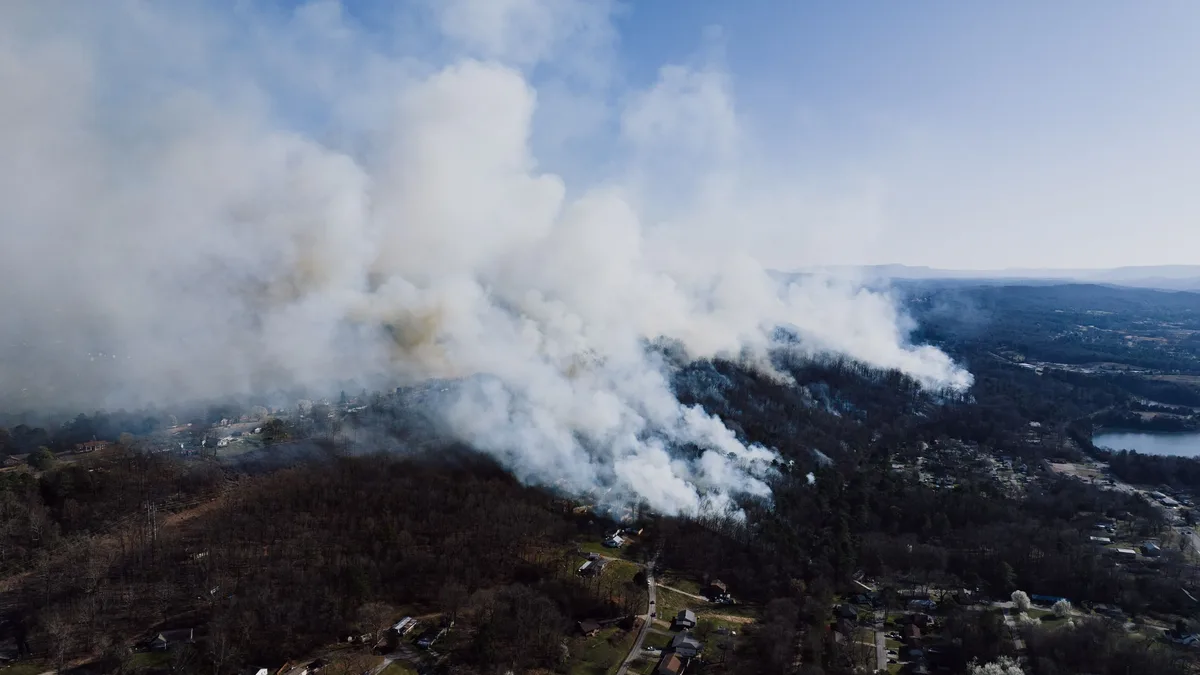
A UN report states that increases in wildfires and heatwaves, boost by climate change, are reversing air quality improvements.

Ofwat launches £50m Water Breakthrough Challenge to combat drought and transform water sector.
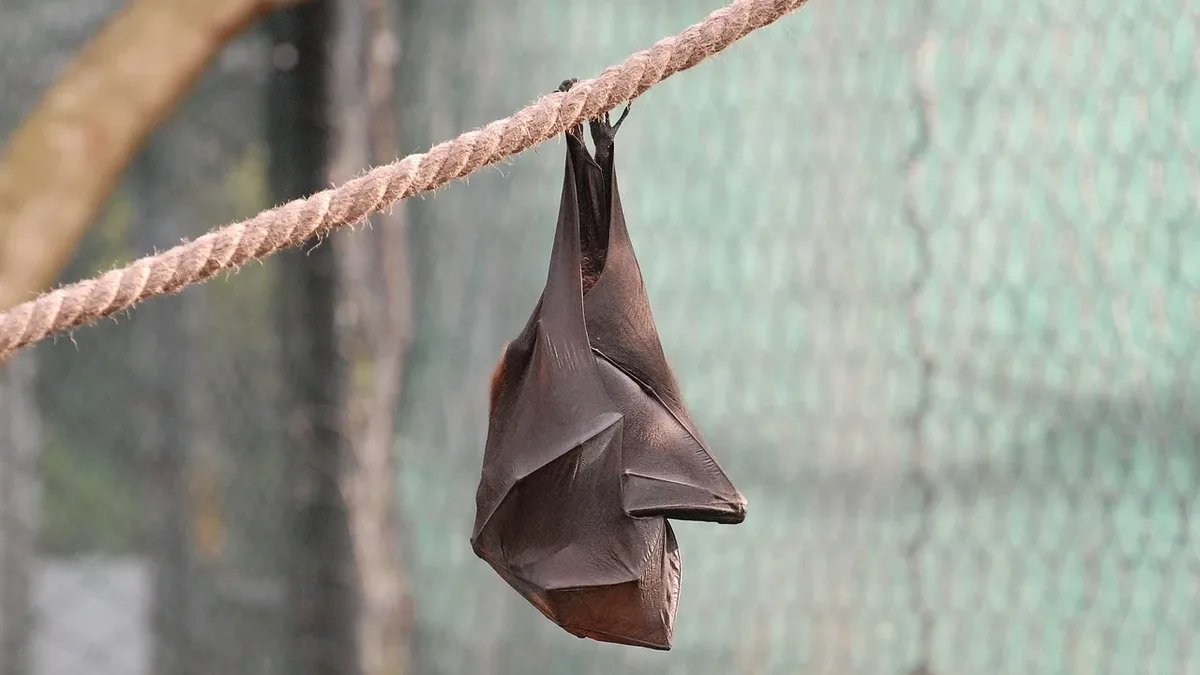
A decade of rescue data shows native animals like possums, bats, and wombats are commonly found in roofs, walls, and even bedrooms as they seek shelter.
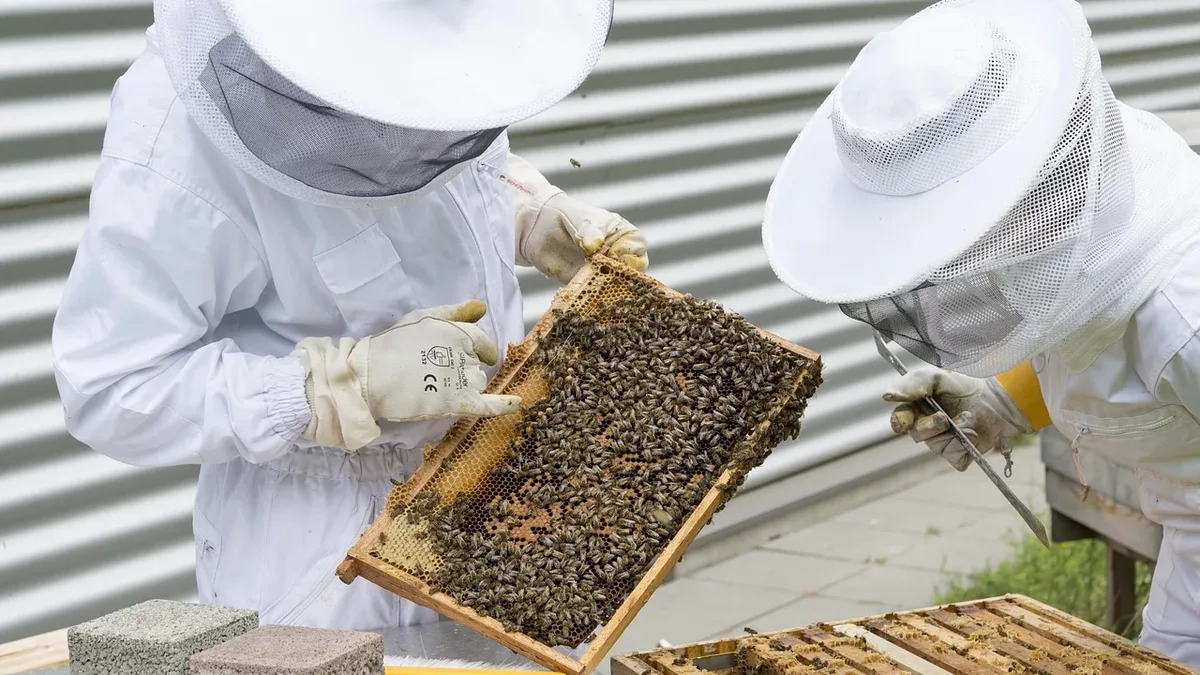
British beekeepers warn the invasive Asian hornet is creating 'pollinator deserts' and threatening food security.
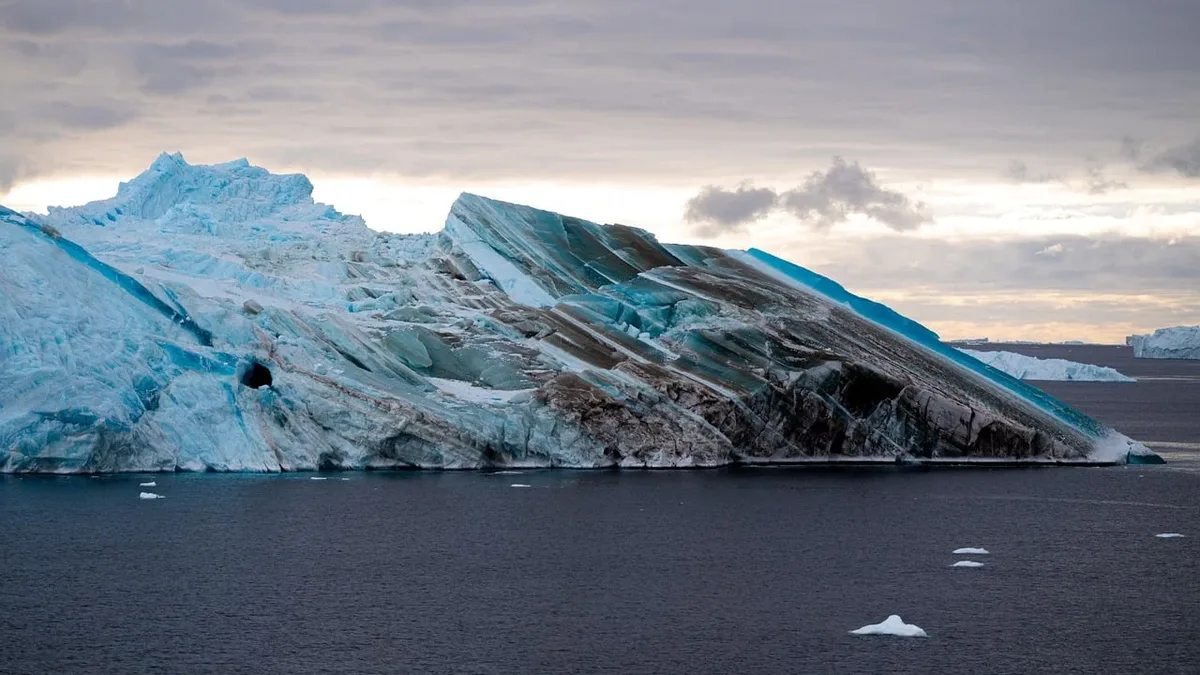
A 2026 study by Southern Methodist University finds that sunlight exposure and water infiltration, not only air temperature, control the speed of Alaska's rock glaciers.
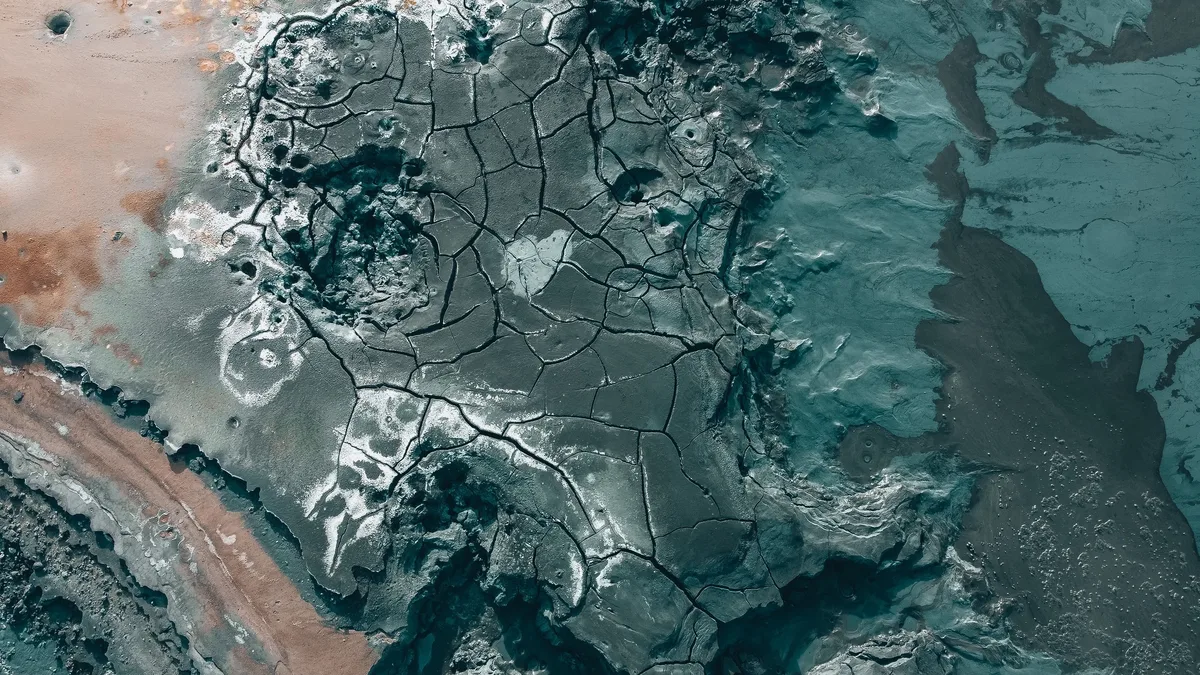
Europe’s Rhine Group pushes competitiveness while the Rhine River hits historic lows.
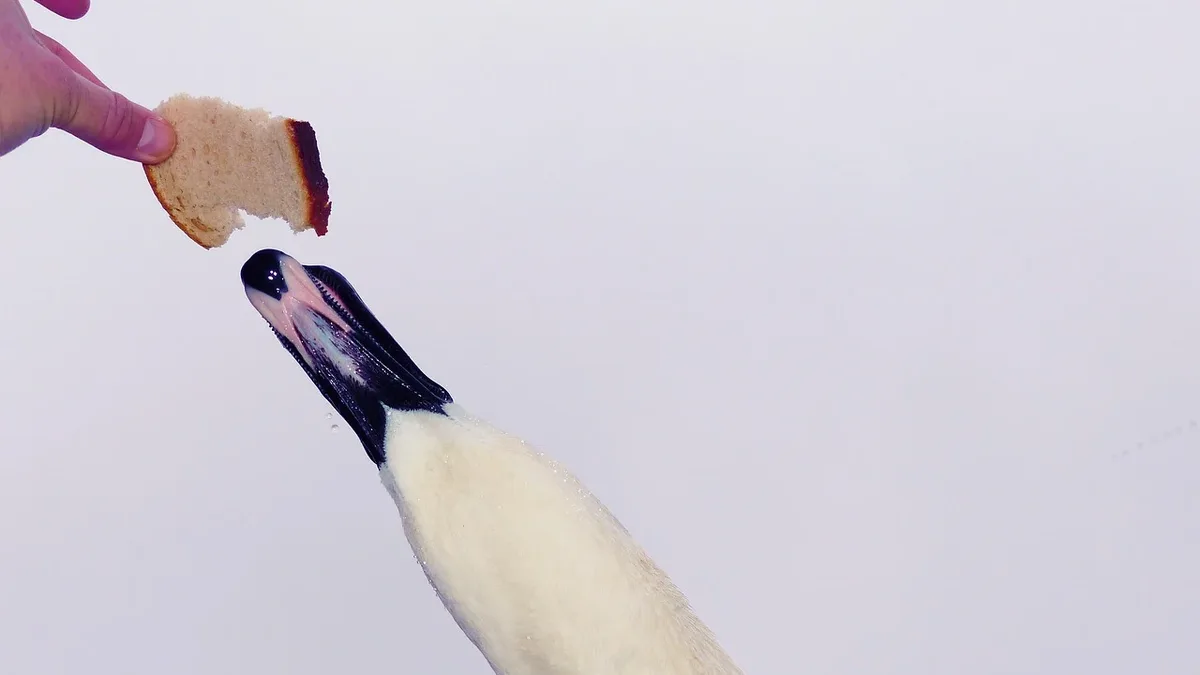
British people have been urged to have enough food and water on hand to survive a few days without power or water.
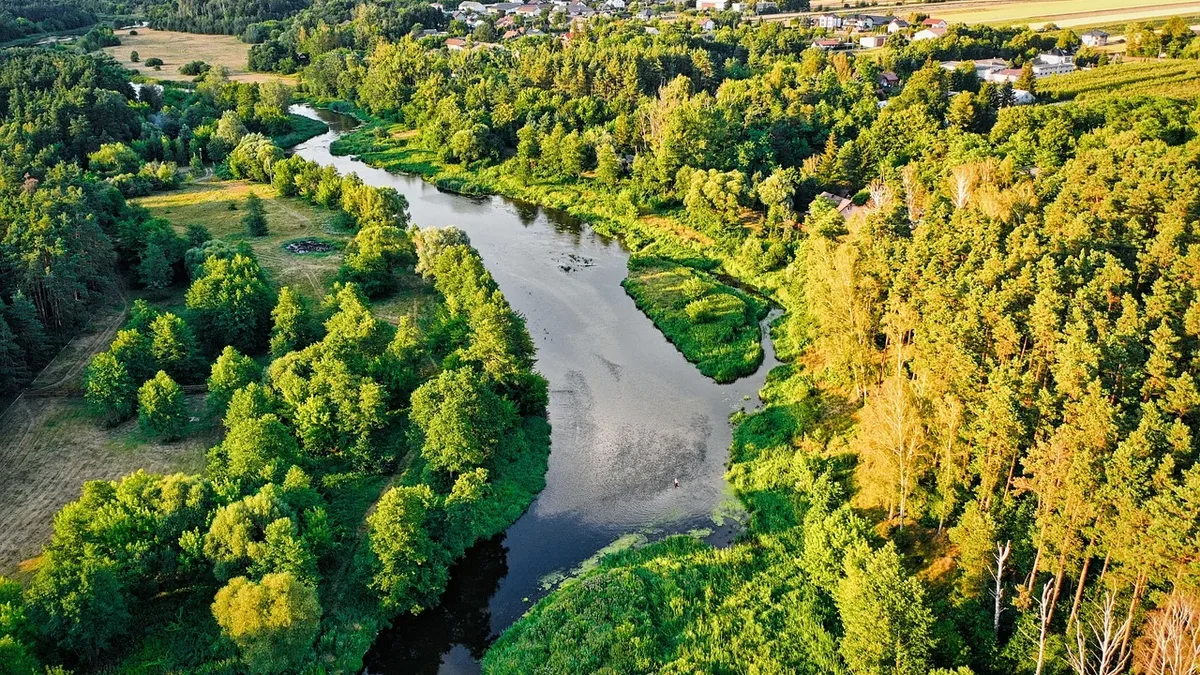
A Cornwall council initiative is tackling agricultural runoff and sewage pollution threatening ancient maerl beds and oyster fisheries in the River Fal.
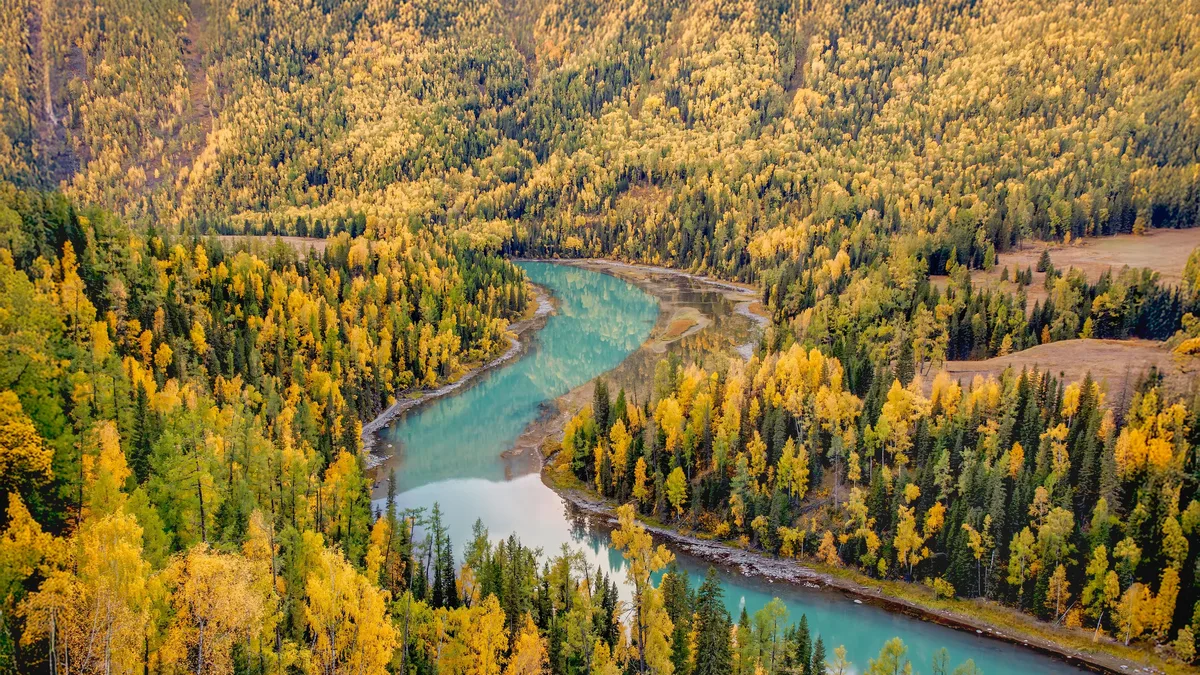
Green Party peer Jenny Jones is withholding the sewage portion of her Thames Water bill in protest of the company's pollution record.

A European heatwave caused thousands of deaths and massive wildfires.
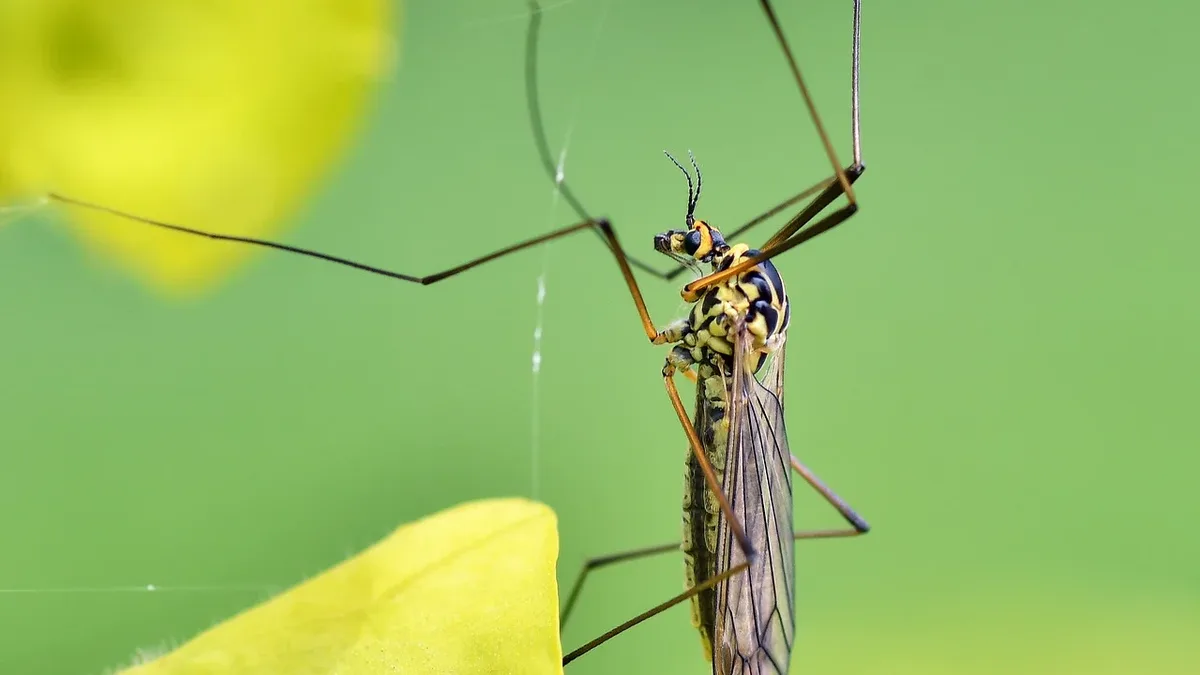
The tropical mosquito Aedes aegypti, a potential carrier of dengue and Zika viruses, has been found breeding in east London for the first time.
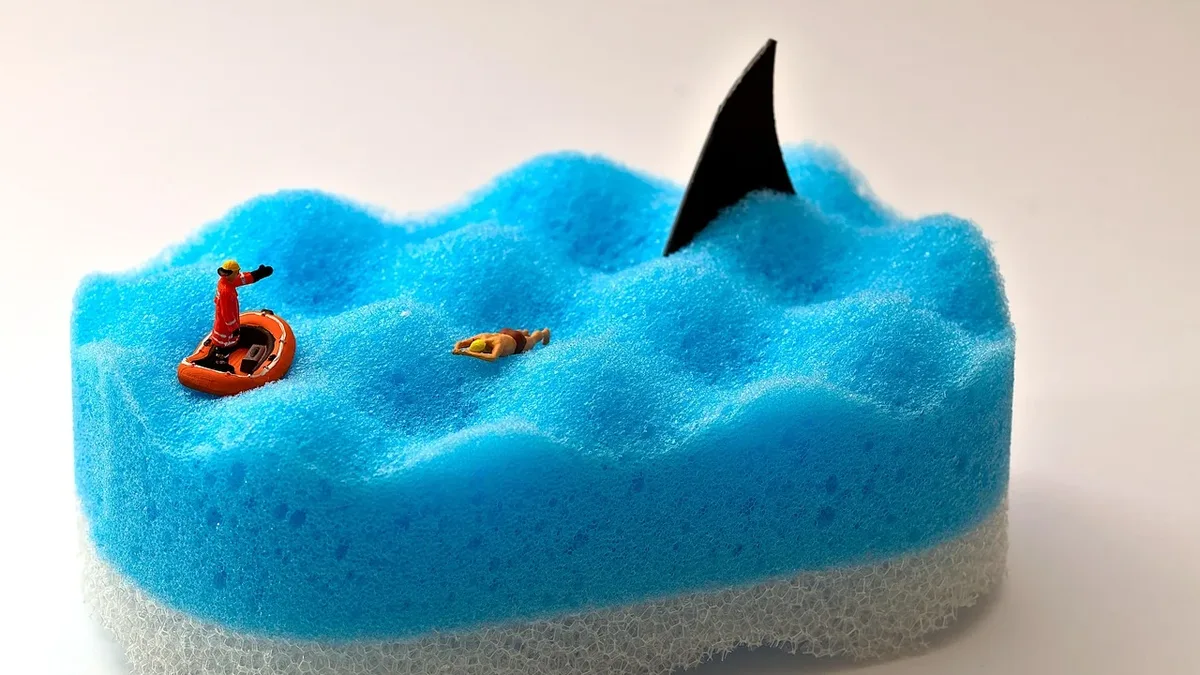
A 'chicken liver' sponge species thrived in a polluted Spanish harbour while others died.
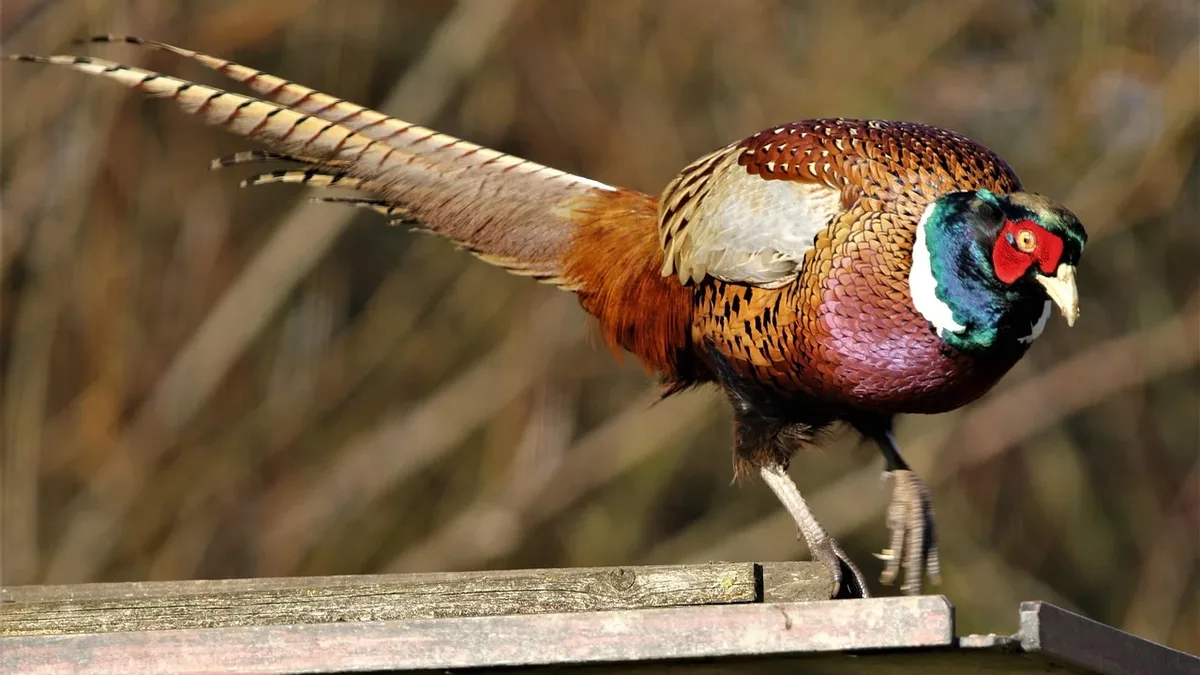
The UK government is consulting on new animal welfare laws that could license pheasant and partridge shoots and impose environmental standards.