Land restoration key to climate resilience, says UNEP chief
UN Environment Programme Executive Director Inger Andersen highlights the critical role of land restoration in combating climate change and supporting vulnerable communities, drawing on her experiences in Sudan and other arid regions.
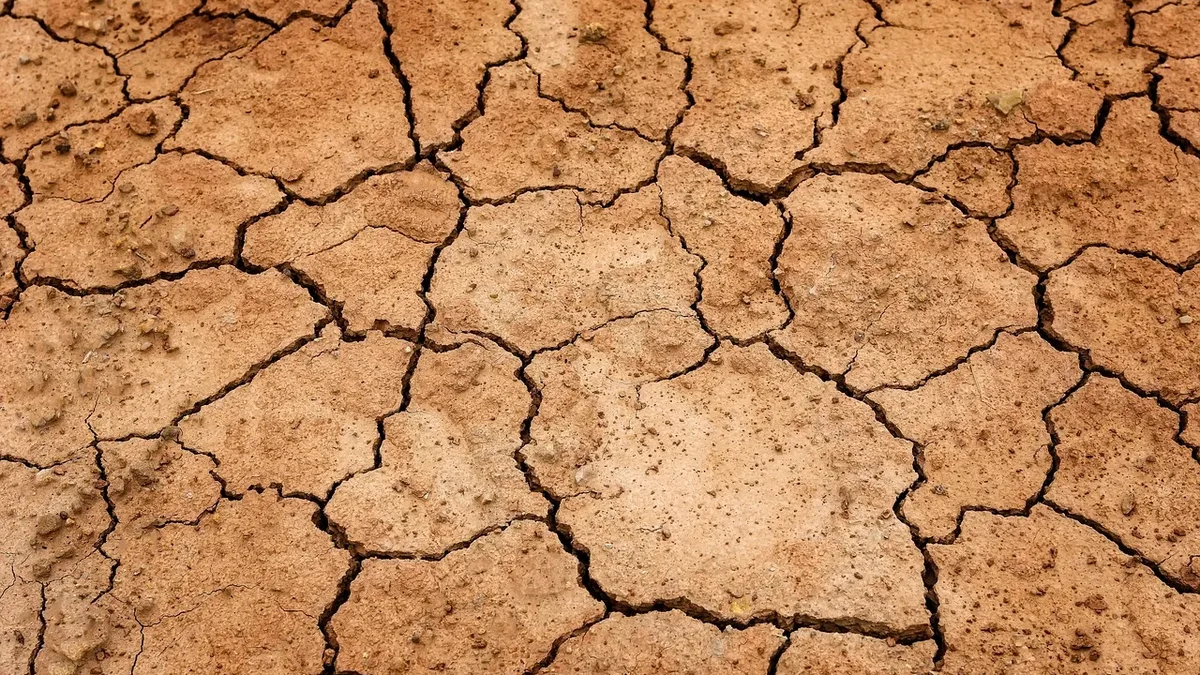
Inger Andersen, Executive Director of the United Nations Environment Programme, has emphasized the importance of land restoration in securing a sustainable future. Speaking ahead of COP17 in Ulaanbaatar, Mongolia, Andersen shared her experiences from Sudan, where she witnessed firsthand the devastating effects of drought and land degradation on local communities.
The fragility of land and livelihoods
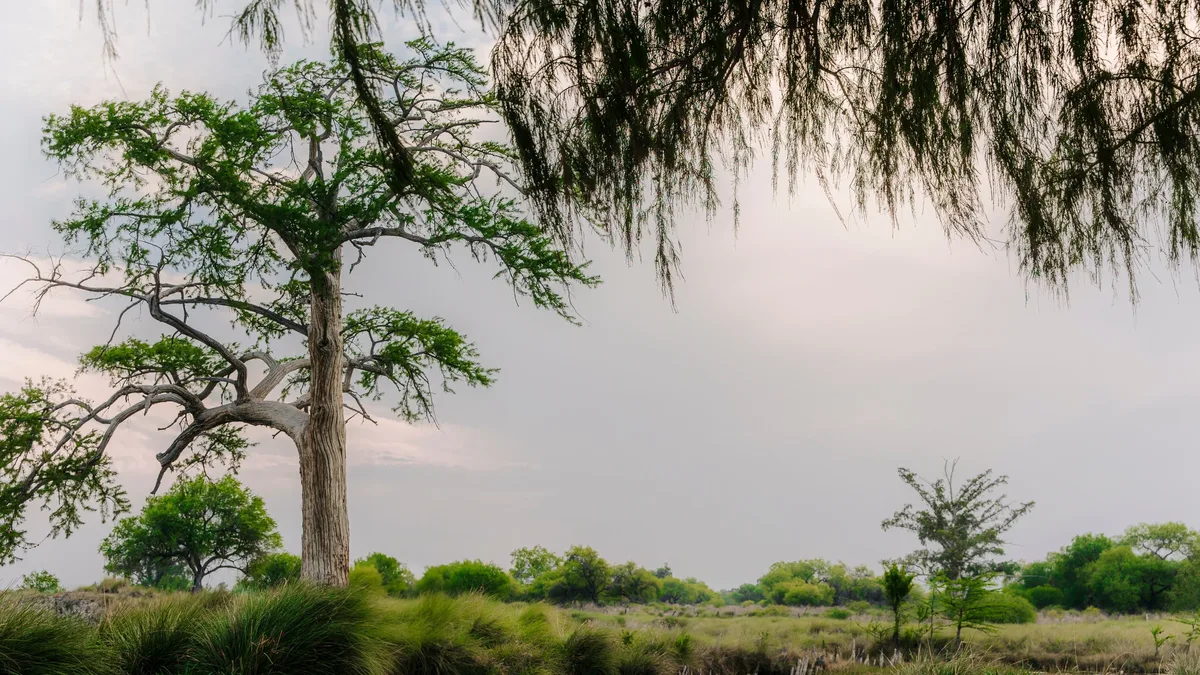
Andersen recalled her time working in Sudan during the 1980s drought, where she saw communities forced to sell their acacia trees for firewood and consume their seed stocks for survival. These trees, which fix nitrogen in the soil and provide gum Arabic as an income source, were the last remaining assets for many families. Once these resources were depleted, the communities had nothing left to sustain them.
This experience shaped Andersen’s career, leading her to work on development and environmental sustainability projects across Sudan, Uganda, Somalia, Tanzania, and Kenya. She highlighted successful initiatives such as re-establishing gum arabic trees, implementing water harvesting techniques, and reintroducing traditional land management practices like “al-hima” to protect fragile ecosystems.
Global challenges and solutions
Today, climate change is exacerbating the pressures on these delicate systems. Land degradation affects 3.2 billion people globally, while desertification impacts 45% of Africa’s land. Andersen stressed that healthy landscapes can strengthen resilience and stability, whereas degraded land can deepen insecurity and force migration.
The UN Decade on Ecosystem Restoration, led by the UN Environment Programme and the Food and Agriculture Organization, is at the forefront of this effort. The World Restoration Flagships programme recognizes ambitious restoration initiatives that aim to restore landscapes at scale, halt land degradation, and support livelihoods.
Andersen called for a more integrated approach to address the interconnected challenges of land, biodiversity, and climate change. She emphasized the need for collective action, bringing together science, local knowledge, and multilateral cooperation to work with nature rather than against it.
A call to action
With the upcoming COP17 negotiations in Mongolia, Andersen urged leaders to prioritize land restoration as a key component of climate action. She highlighted the Great Green Wall initiative as an example of long-term investment in healthy landscapes to prevent drought-related disasters.
Andersen concluded that land is not just one issue among many but the foundation where climate, nature, food, water, and security intersect. She believes that the communities living on the edge for generations may hold the blueprint for thriving within the planet’s limits.
As leaders gather in Ulaanbaatar, Andersen’s message is clear: investing in healthy land is an investment in food, health, and water security, as well as peace and economic growth. The future of people and the planet depends on the health of the land beneath our feet.