Living with nature
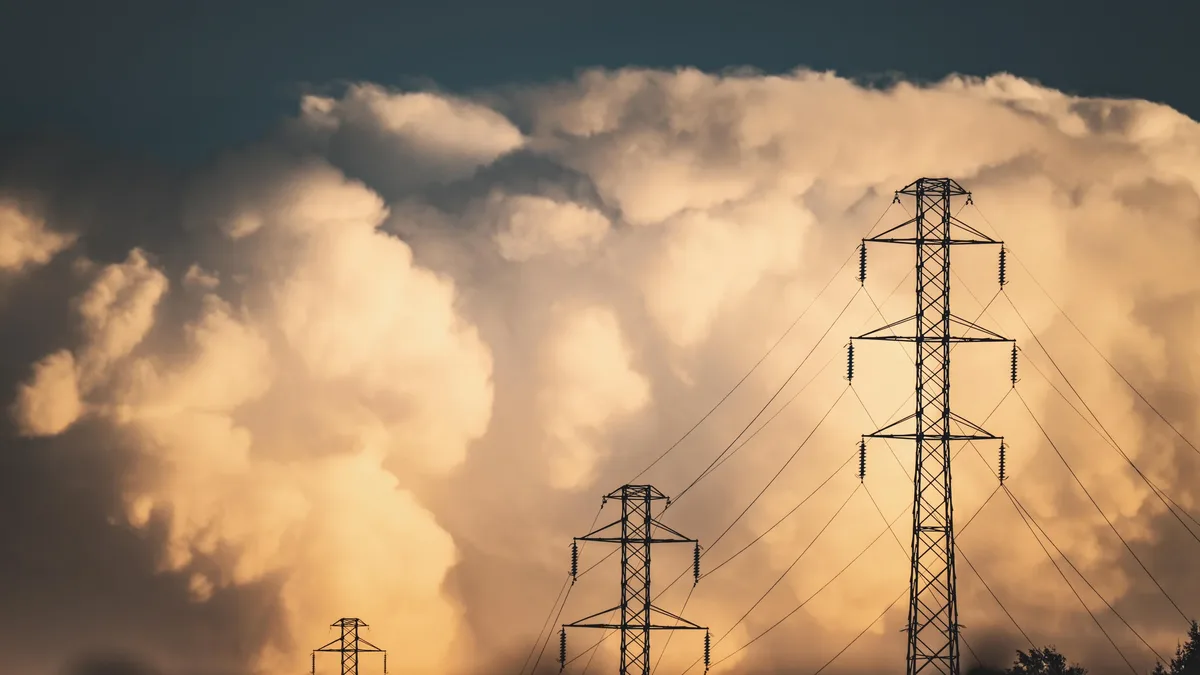
COP31 Electrification Pledge Progress Faces Infrastructure Hurdles
The COP31 Global Electrification Pledge aims to boost electricity's share of final energy to 35% by 2035, but current policies only project 28%.
Living with nature on The Eco Room: Access to nature and right to roam, Community conservation, Citizen science and recording, Land ownership and stewardship, Farming and nature together and Green jobs.
The COP31 Global Electrification Pledge aims to boost electricity's share of final energy to 35% by 2035, but current policies only project 28%.
The first global review of progress toward reversing nature loss by 2030 was completed at COP17 in Yerevan, warning that current efforts are insufficient and urging accelerated action to meet the Kunming-Montreal Global Biodiversity Framework targets.
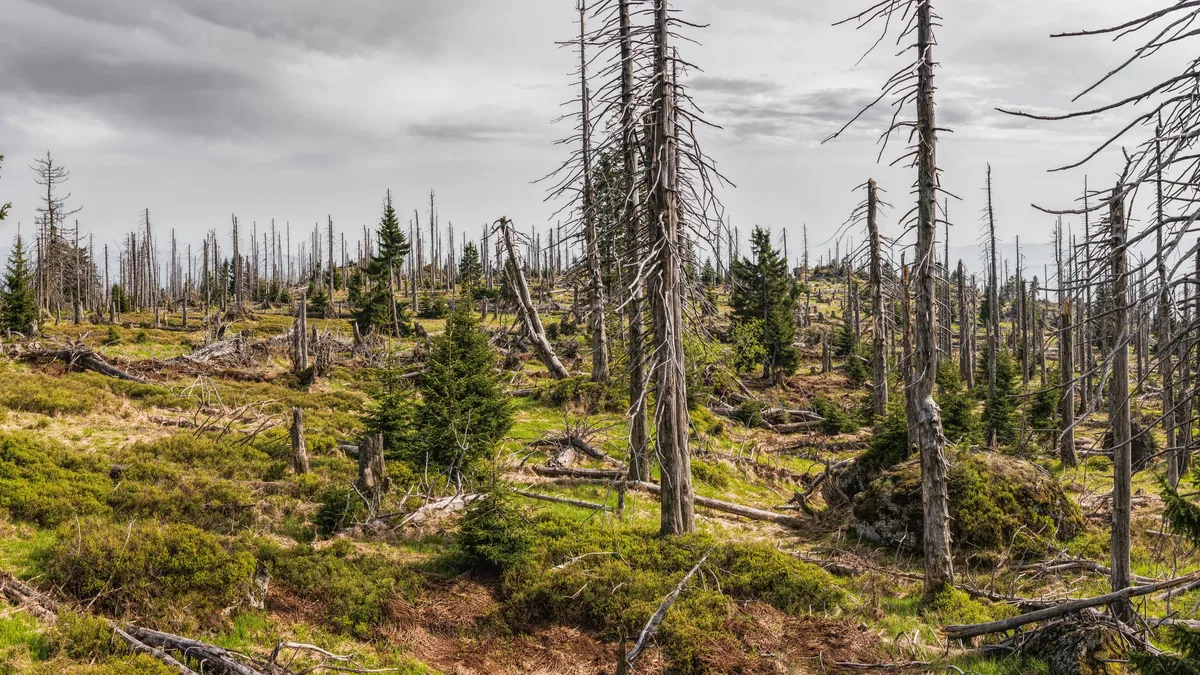
A new analysis reveals 140 million jobs in the EU, UK, and Switzerland are at risk from nature degradation, threatening trillions in wages and economic output as policymakers prepare key budget decisions.
A key UN report finds nations are falling short on 22 of 23 2030 nature targets, with minimal progress on halting species extinction and protecting land and oceans, ahead of the COP17 summit in Armenia.
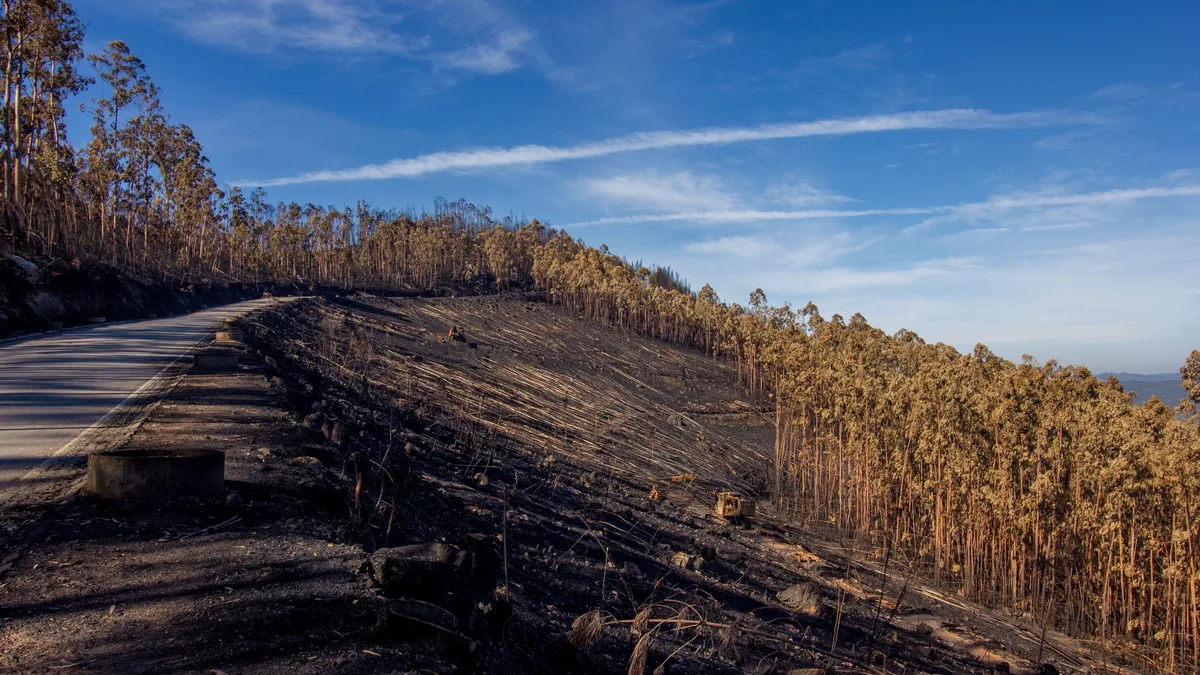
A new study reveals colonial disruption of Indigenous fire management triggered a fourfold increase in eucalypt cover, transforming open woodlands into dense, flammable forests long before climate change amplified wildfire risk.
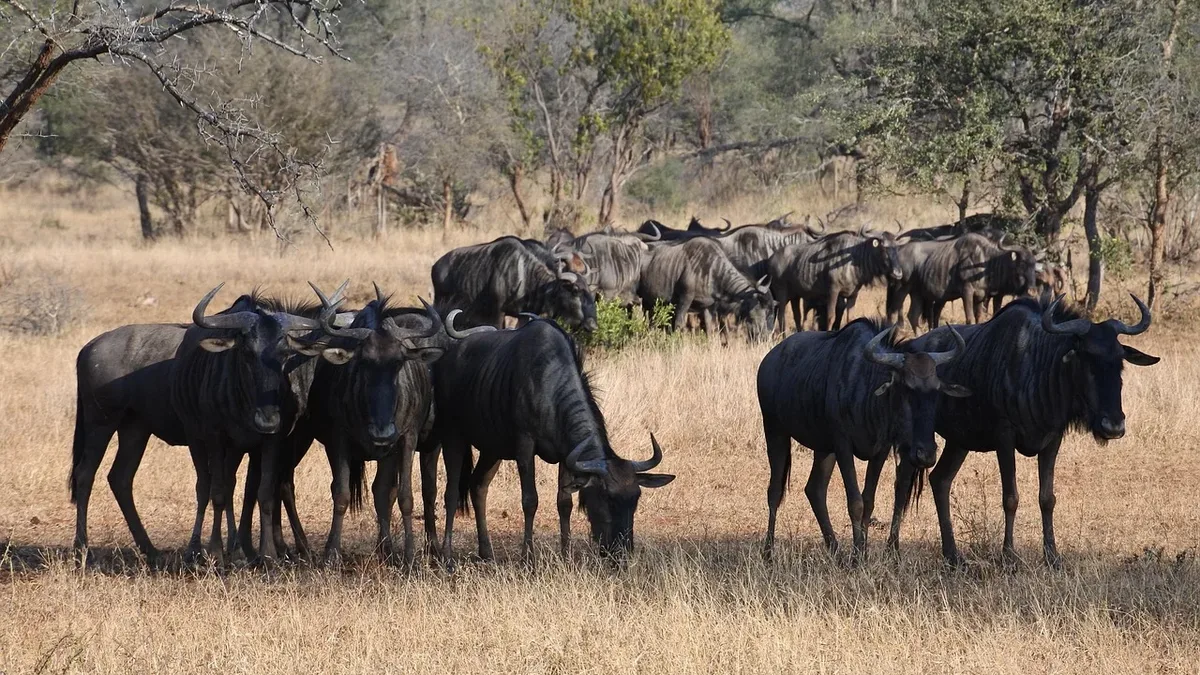
The World Wildlife Fund's Living Planet Index shows an average 73% drop in monitored vertebrate populations from 1970 to 2022, driven by habitat loss and financial flows that harm nature. While targeted conservation has helped some species recover, WWF warns systemic change is urgently needed to meet 2030 biodiversity targets.
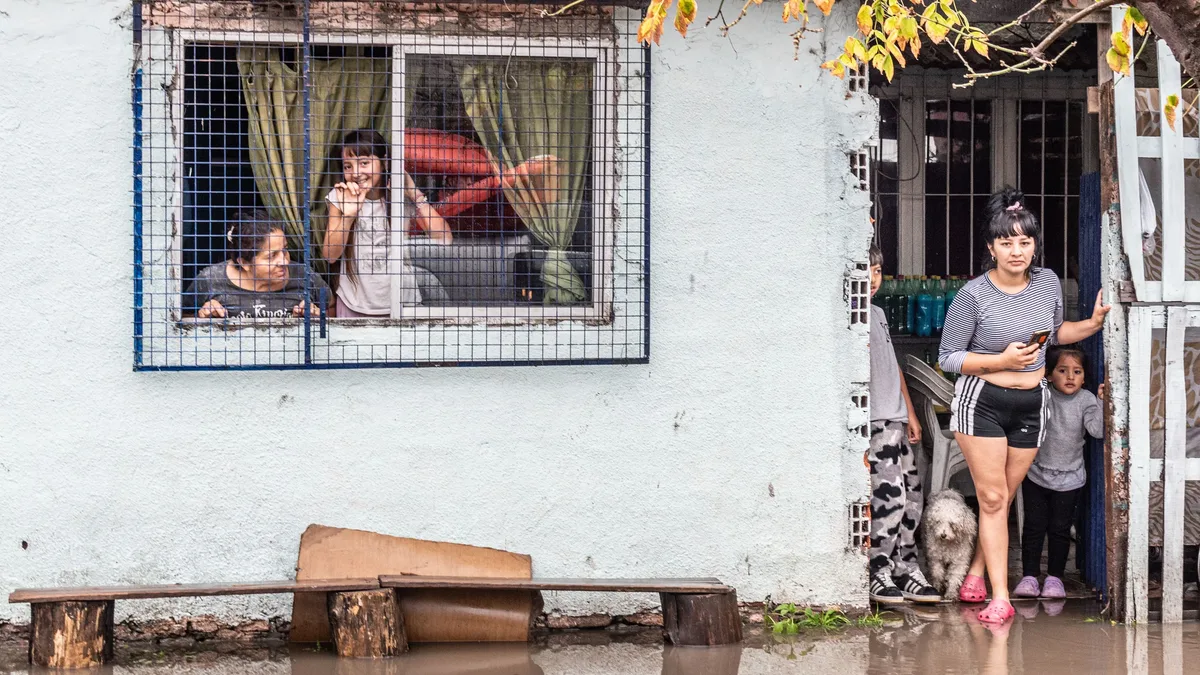
More than two million people in England are unaware their homes face flooding risk, as the Met Office forecasts a wet and windy winter influenced by El Niño.

Funding for England's 2026 Sustainable Farming Incentive ran out just six hours after applications opened.
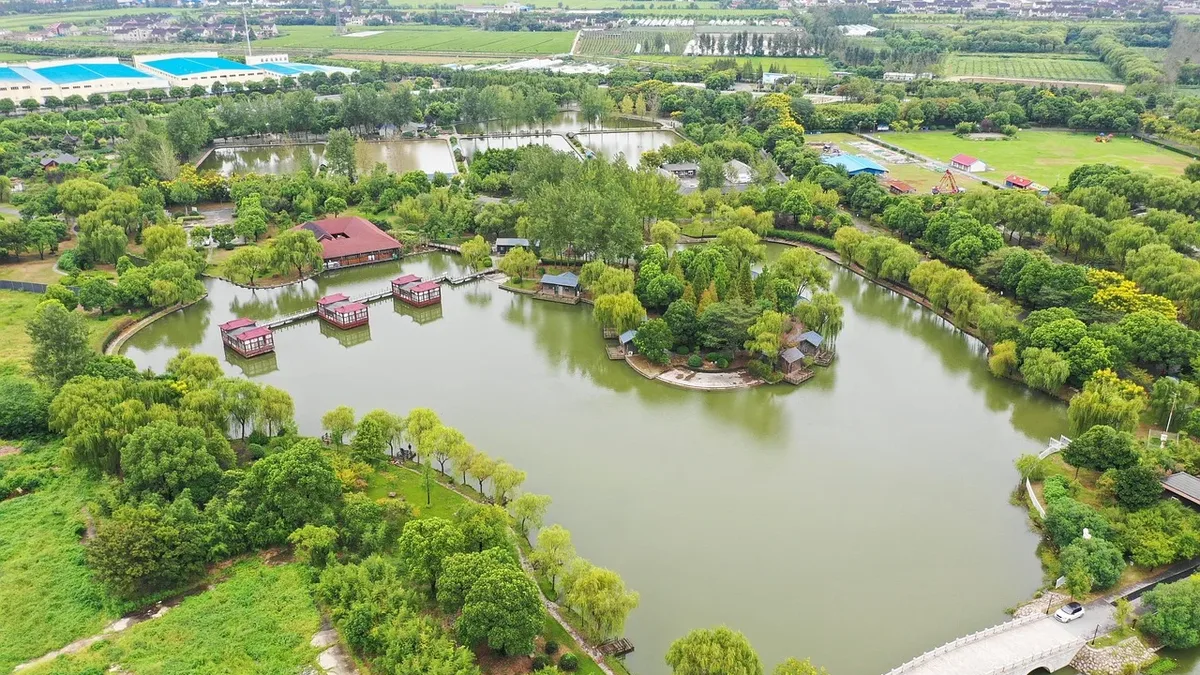
A 10-acre rewilding project on poorly drained land in Cornwall shows vigorous growth and increased biodiversity.
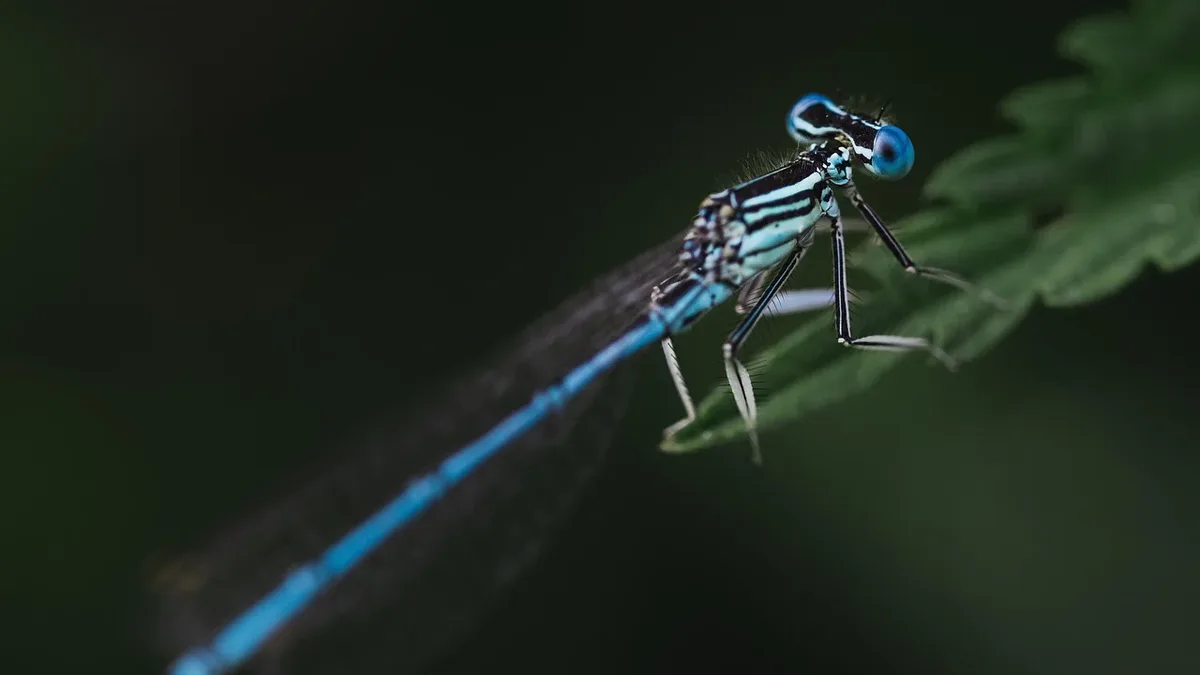
New analysis reveals 44% of English constituencies have poor access to green or blue space.
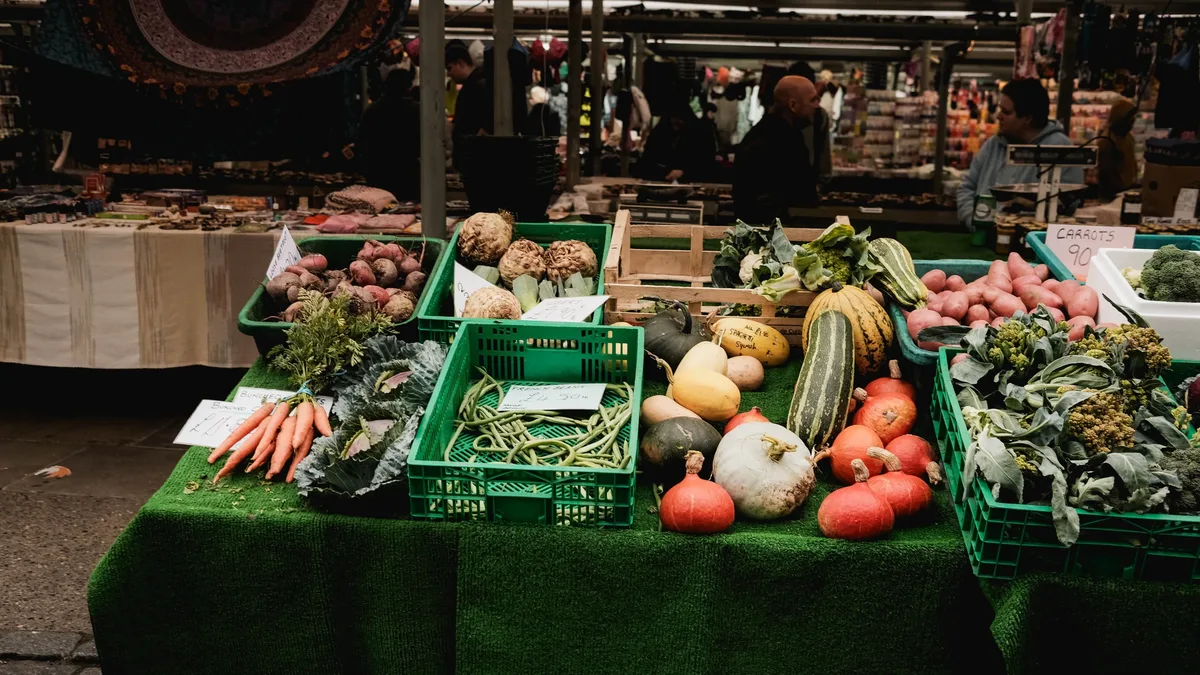
Young farmers in Powys are growing vegetables on a once-uncultivated site, supplying them to Birmingham city council for distribution to children's holiday programmes.
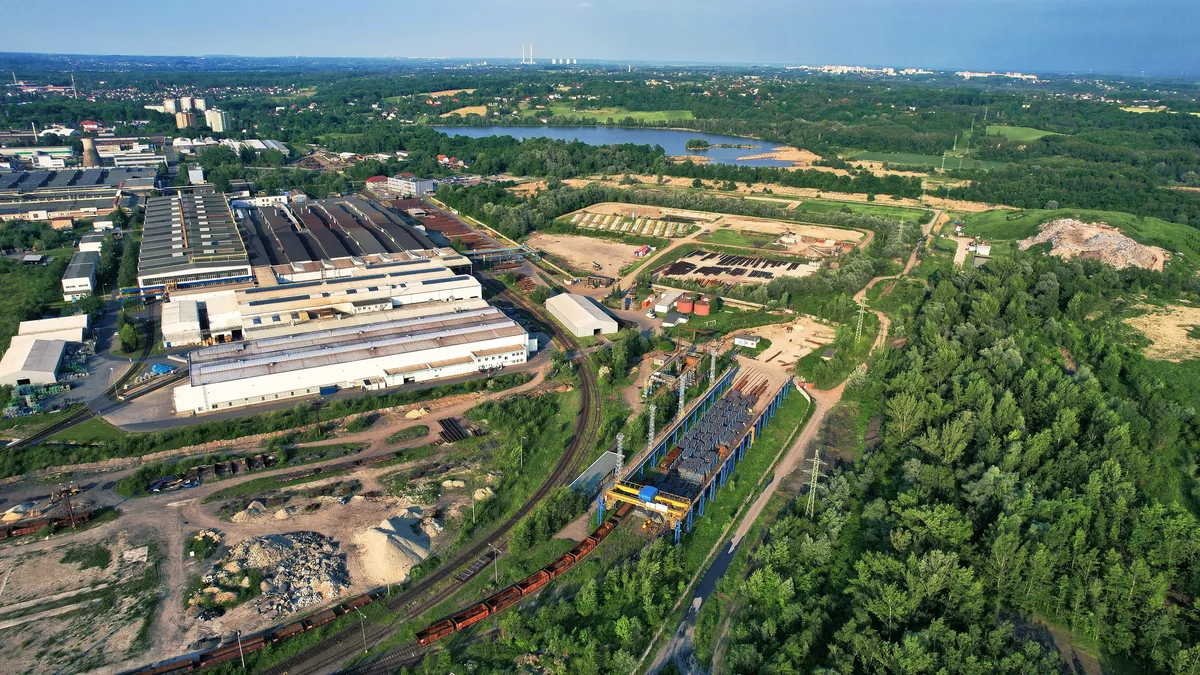
The European Commission is pushing reforms to fast-track 'strategic' industrial projects.
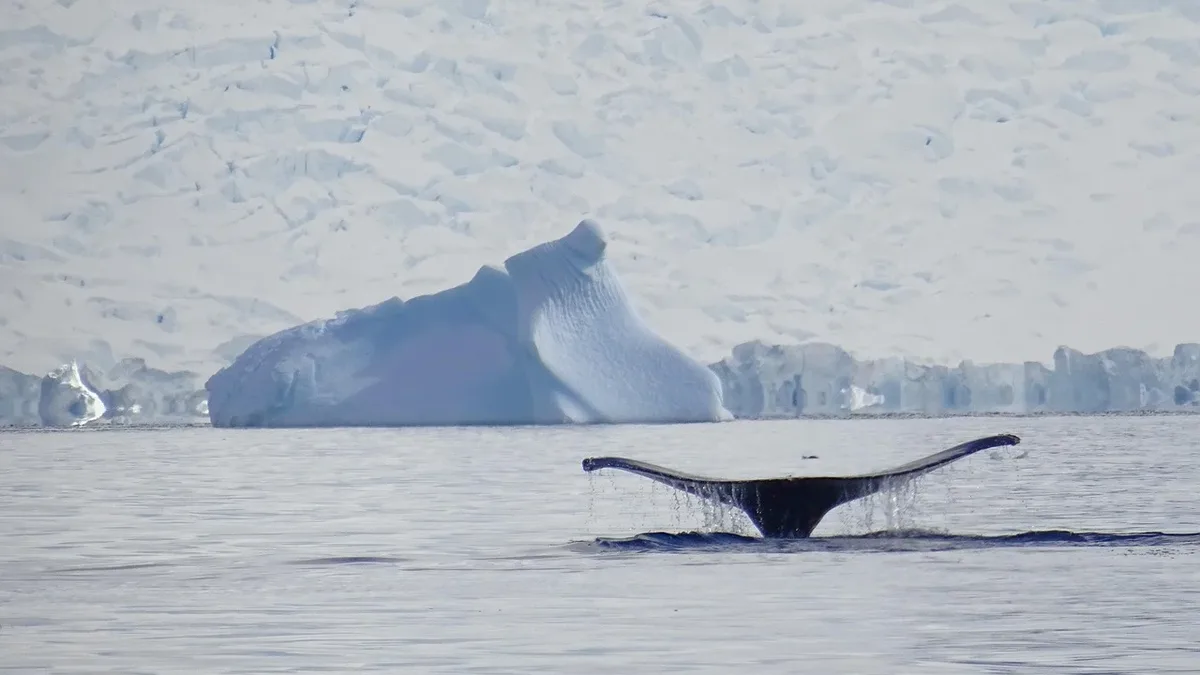
Iceland will introduce legislation in February 2027 that could lead to a permanent ban on commercial whaling in its waters.
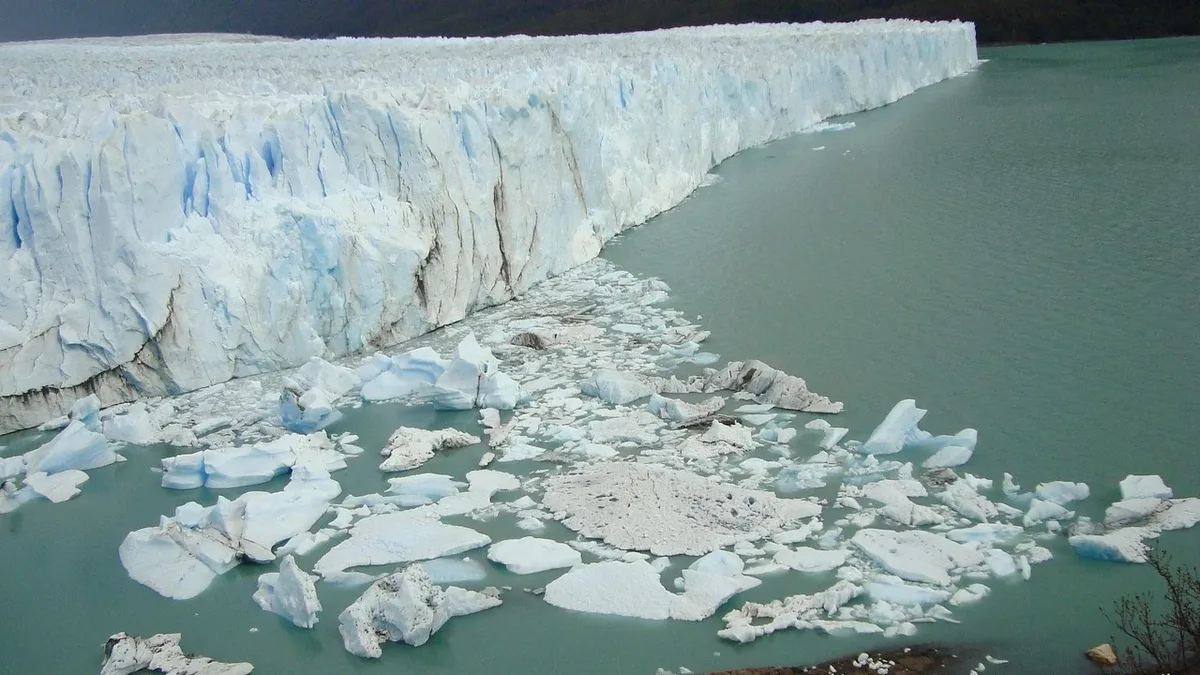
A six-year, $15 million US National Science Foundation project is investigating whether five interconnected Arctic species can evolve together.
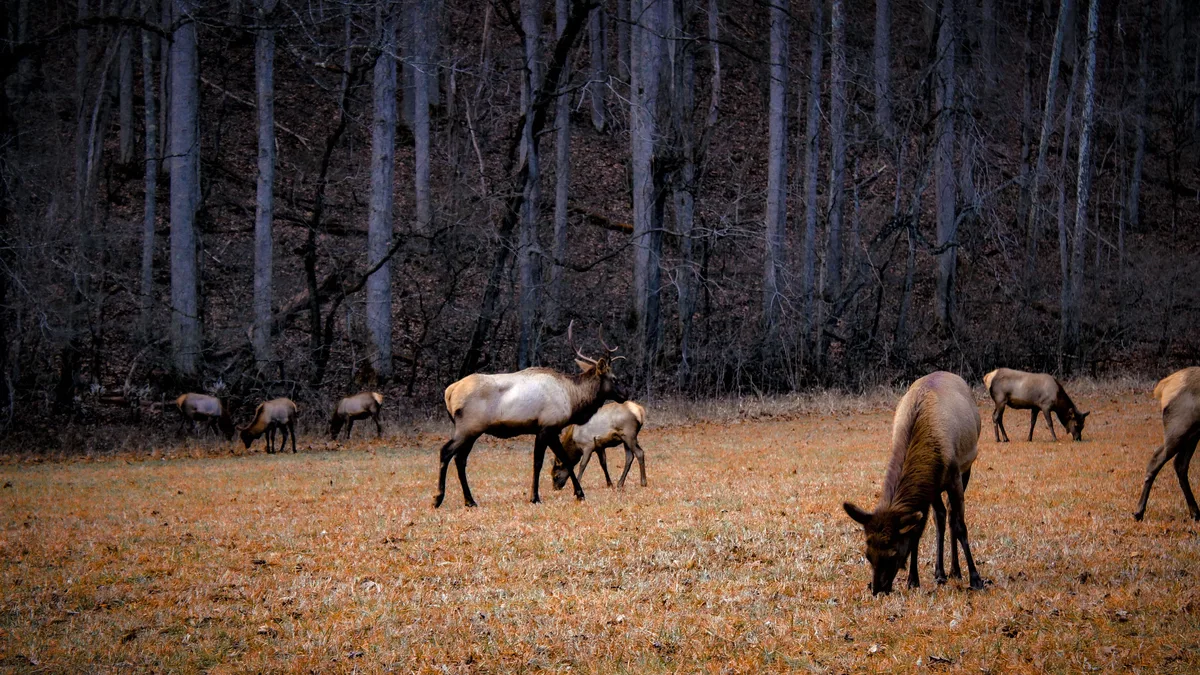
Rewilding Europe argues that restoring natural processes like wetland rewetting, natural grazing, and diverse forests is a cost-effective strategy.
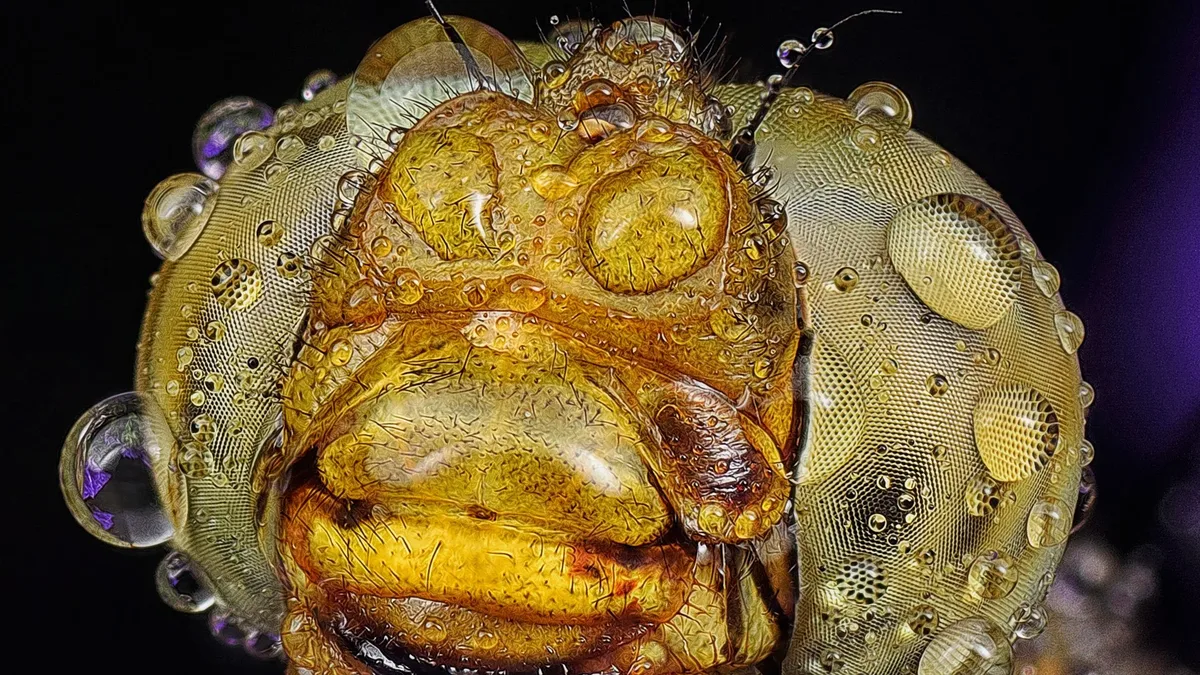
Endangered glowworms are shining again at a North Yorkshire nature reserve for the first time in a century.
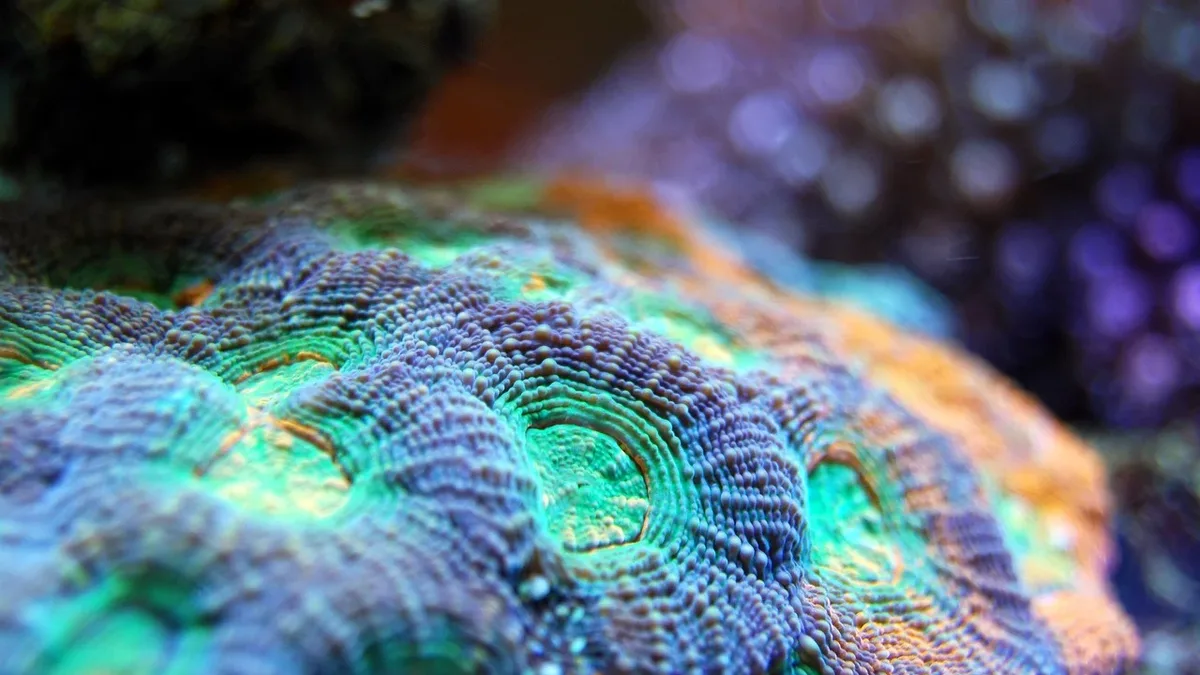
A new documentary, 'North Sea, Nature Untamed', shows the region's overlooked biodiversity.
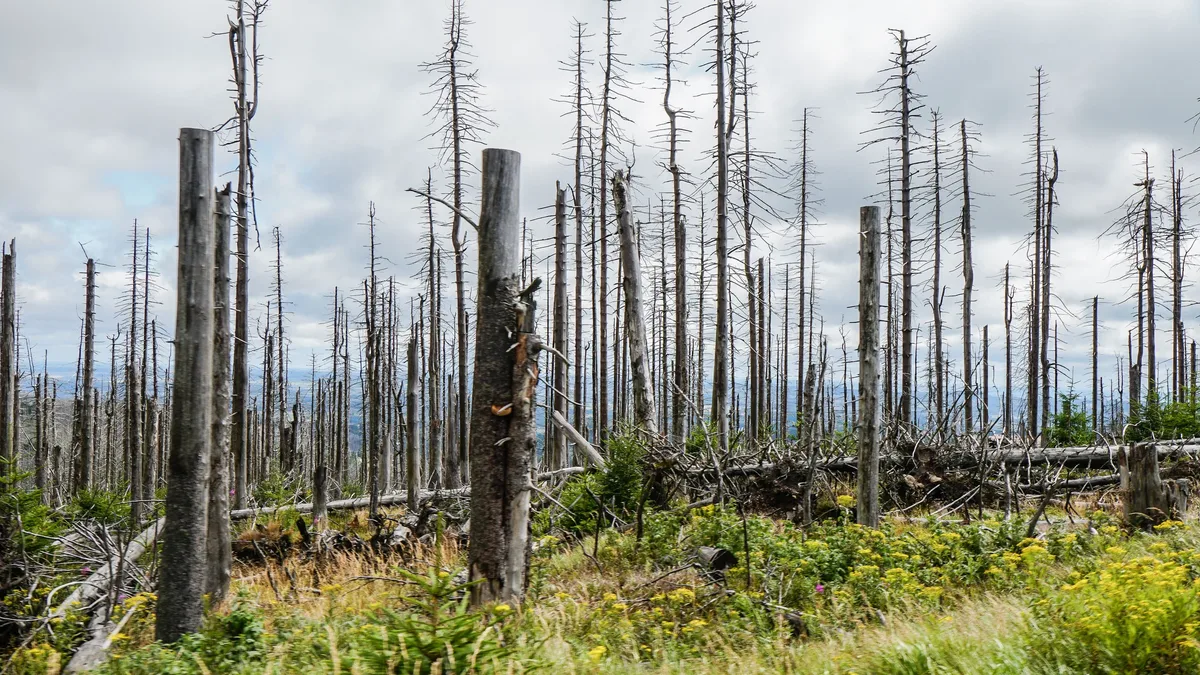
A study led by the University of Göttingen argues for a shift from reactive firefighting to proactive landscape design.
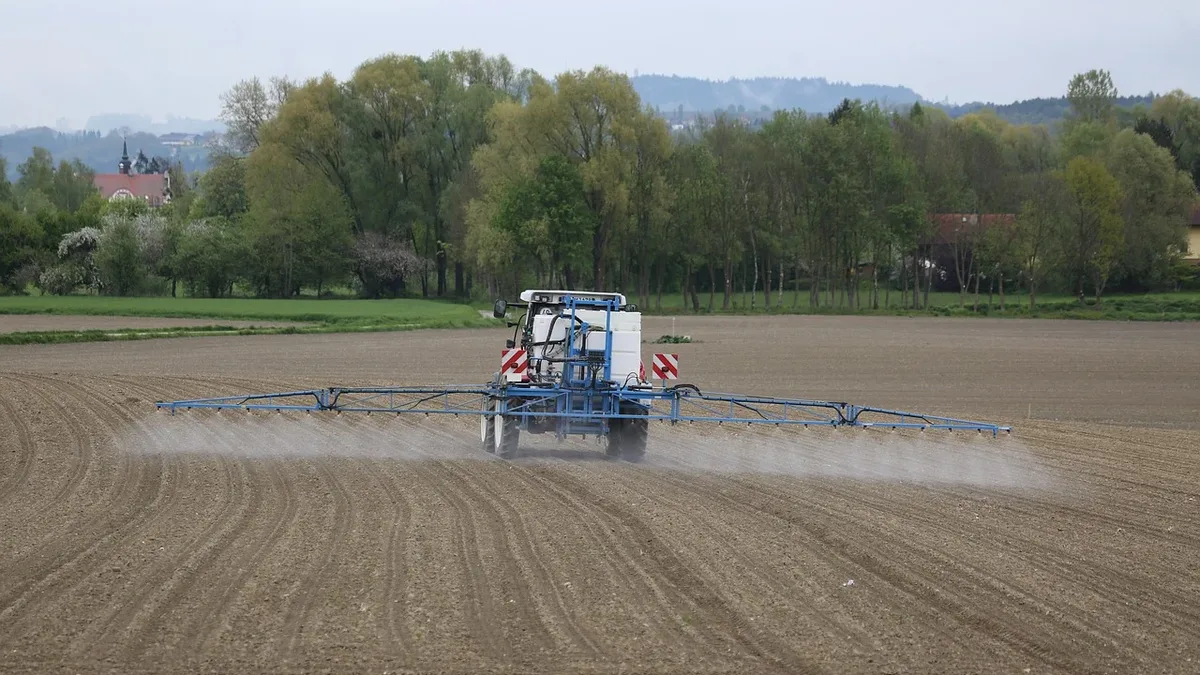
A new study estimates 402-433 million cases of acute pesticide poisoning occur among farmers and farm workers each year, representing nearly half the global farming population.