Cleanup Removes 1.3m Plastic Bottles
The International Coastal Cleanup collected over 1.3 million plastic bottles in a single day, with 630,000 volunteers removing almost 13.9 million pieces of rubbish from 15,000 miles of coastline. The event highlights the persistent problem of single-use plastic and the need for better recycling infrastructure.
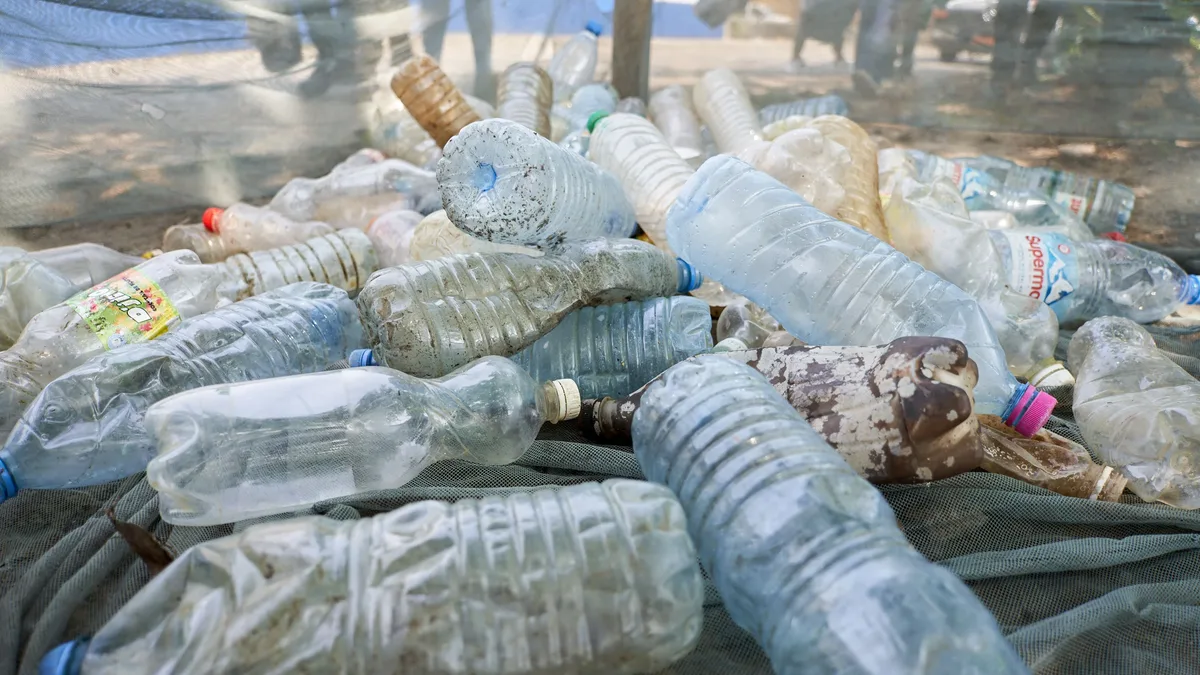
More than 1.3m plastic bottles were collected from beaches, rivers and waterways last year during the world’s largest single-day volunteer ocean cleanup. About 630,000 people took part in the International Coastal Cleanup in 2025, removing almost 13.9m pieces of rubbish from more than 15,000 miles of coastline and waterways.
Massive Volunteer Effort
The event drew 630,000 volunteers, a figure that can be found in the organisation’s annual stats. Participants collected a total of 13.9 million items, covering over 15,000 miles of shoreline, as recorded in the event’s fixtures. The cleanup was organised by the NGO Ocean Conservancy.
| Item | Count |
|---|---|
| Plastic bottles | 1.3m |
| Cigarette butts | 1.2m |
| Bottle caps | 885,000 |
| Plastic shopping bags | 581,000 |
| Other plastic bags and food containers | 1m |
The most common item was the plastic bottle, followed by cigarette butts. Volunteers also gathered 885,000 bottle caps, 581,000 plastic shopping bags and more than 1 million other plastic bags and food containers.
Plastic Bottle Dominance
Dr Anja Brandon, Ocean Conservancy’s director of plastics policy, said: “There’s really no excuse for this - plastic bottles are among the most recyclable items out there, which tells us two important truths: one is that we are making too much plastic, and two is that a lot of our waste isn’t getting where it needs to go.” She added that “increasing access to recycling, including bottle deposit returns, and investing in reuse and refill infrastructure would go a long way in protecting the ocean from this common type of plastic pollution.”
The findings underline the continuing dominance of disposable plastic in marine litter, despite a growing number of bans and laws intended to curb its use. UK consumers use an estimated 13bn plastic drinks bottles a year, according to the WWF, with just half of these recycled. After nearly a decade in the waiting, a deposit return scheme for recycling drinks bottles is expected to come into force in 2027, following similar successful schemes in Germany, Sweden and the Republic of Ireland.
Allison Schutes, Ocean Conservancy’s senior director of conservation cleanups, highlighted the impact plastic rubbish had on marine wildlife. “In a recent Ocean Conservancy-led study that quantified the deadliness of plastic to marine life, it found that an albatross was found to have been killed by ingesting an entire plastic bottle,” she said.
Policy and Future Actions
Schutes said tackling the problem required governments to reduce the production and consumption of single-use plastics and improve recycling and waste disposal systems. “These items are used for only minutes, and there are good replacements,” she said. “We need to make sure that what we do use makes it into an end-of-life system.”
Ocean Conservancy’s first cleanup 40 years ago involved 2,800 volunteers on the Texas Gulf coast. Since then, almost 19.7 million people in 166 countries and territories have collected more than 439m items weighing a total of 184,000 tonnes.
| Historical Item | Total Collected |
|---|---|
| Plastic bottles | 27m |
| Cigarette butts | 65m |
| Food wrappers | 32m |
| Bottle caps | 20m |
The data have been cited in nearly 300 peer-reviewed studies and used to assess whether policies aimed at reducing plastic pollution were working. One such study published in 2025 found that plastic bag bans and charges reduced bags as a proportion of litter collected on shorelines by between 25% and 47% compared with places without such policies.
The study found that an albatross was killed by ingesting an entire plastic bottle.