Indiana Floods: Politics Hamper Recovery
Record flooding in Indiana has killed seven, destroyed infrastructure, and left over 1,000 homeless, but state political resistance to climate funding and
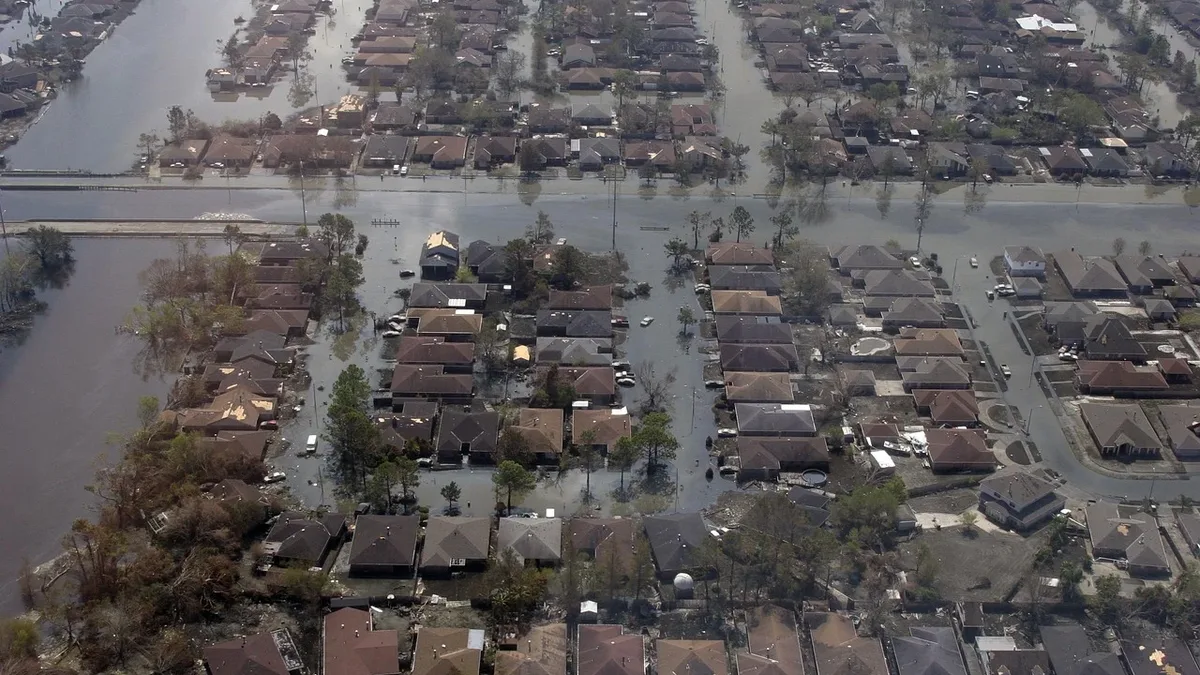
Record flooding across central and eastern Indiana has killed seven people and left more than 1,000 homeless. The disaster destroyed critical infrastructure, including a section of Interstate-70 near Cambridge City, according to a report from The Guardian.
In Cambridge City, a town of 1,700, floodwaters from Creitz Creek damaged about 250 homes. Approximately 175 of those homes experienced significant damage. Rick Keasling described fleeing with his wife and dog on the morning of August 12 after about 10 inches of rain fell by mid-morning. That rainfall was three times the town's average for the entire month of August.
Political and Funding Context
Indiana's Republican-led state legislature has repeatedly refused to fund climate-related initiatives. The state cut funding for its environmental agencies by 19% between 2010 and 2024. Twice in recent years, the state senate's environmental affairs committee refused to consider legislation for a climate solutions taskforce. Before the flooding, the state's disaster relief fund stood at just $2 million, though it has since been raised to $5 million.
Beth Hall, director of the Indiana state climate office, stated that climate change played a role in the event's intensity. She said a warmer atmosphere allowed for more vapor to condense and fall as rain, and that warmer temperatures may have caused a large heat dome to persist longer than normal.
Federal Response and Local Struggles
Former President Donald Trump approved Federal Emergency Management Agency disaster aid for over 50 Indiana counties, but the aid is capped at $5 million. State leaders estimate the cost of the storms and flooding at about $5 billion. Governor Mike Braun submitted a disaster declaration to FEMA on August 21, but as of the report, no response had been received. The agency under the Trump administration has turned down more than 30 disaster declarations and takes longer to approve requests.
In Cambridge City, where the median household income is about 60% of the national level, many residents cannot afford flood insurance. Small businesses can apply for a county grant of up to $5,000, but few are open. Tami Hall, who runs Vinton House Antiques, said the business lost most of its basement equipment, including its HVAC system.
Tom Saunders, a town board member from the flooded neighboring community of Lewisville, highlighted the struggle in smaller villages. He described housing a 69-year-old man who lost his mobile home and all his cars, stating, "We're past a week of this and we still don't know anything. There's nobody to help."
Ten days after the flood, volunteers served food to about 70 people daily in Cambridge City. Residents dealt with looting, and Rick Keasling said his flood insurance would not cover the damage. Industrial dehumidifiers ran in his gutted home as he noted houses were being torn down in nearby Connersville.