Himalayan Disaster Angers NYC Diaspora
A Himalayan glacier collapse has killed over 600 people in Nepal and Tibet, leaving thousands missing. Nepali and Tibetan communities in New York City are grieving and criticizing the global response to climate injustice.
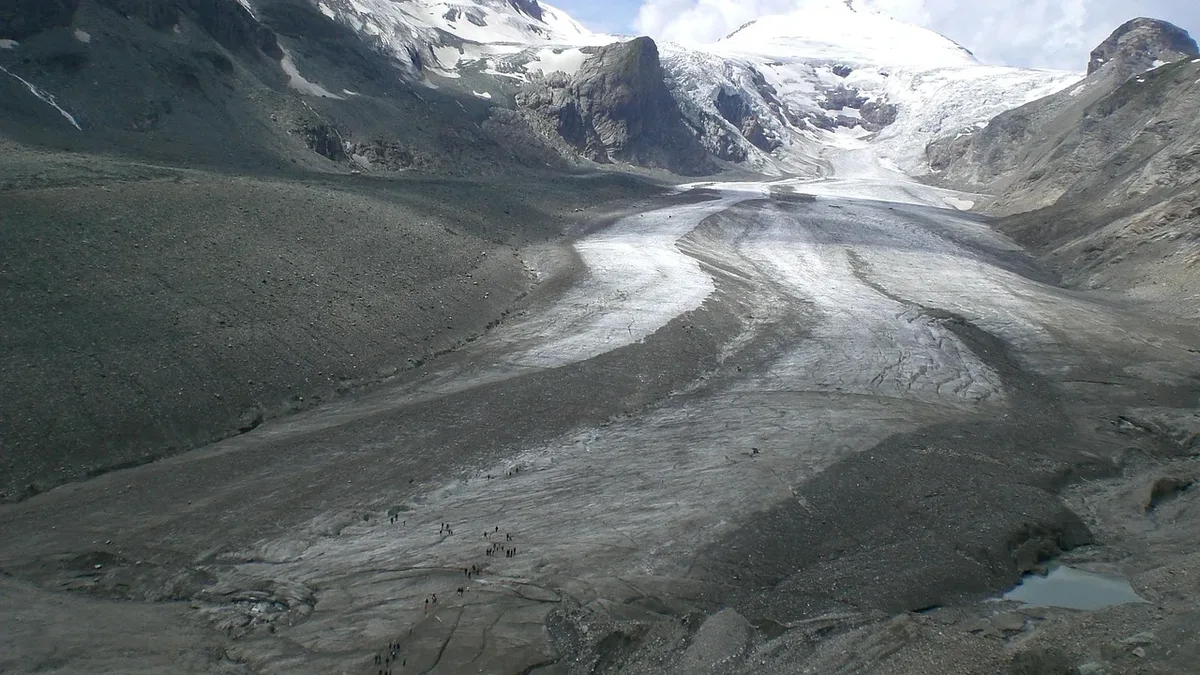
More than 600 people are confirmed dead and nearly 3,000 remain missing after a Himalayan glacier collapsed on Wednesday. The disaster sent a torrent of water, mud, and rock through communities downstream near the Nepal-Tibet border.
For the Nepali and Tibetan diaspora in New York City, the flood has triggered grief, fear for relatives, and a desperate scramble to help from thousands of miles away.
Geeta Tamang, a 24-year-old student at Queens College, learned the news from her aunts. Her family village in Rasuwa was largely swept away. Her calls to relatives went unanswered, and when she did reach people, she often had to break the news of the disaster herself. Her grandmother's sister is among the missing. "I don't think there's any chance she survived," Tamang said.
Suspicion Over Official Toll
Chinese authorities have reported at least seven deaths in Tibet. This official toll is met with deep suspicion among some Tibetans abroad. Sonam Tshiring, a 58-year-old Tibetan refugee in Queens, believes the number killed in Tibet is far higher than Chinese authorities have acknowledged.
For these communities, the catastrophe highlights a profound climate injustice. Nepal contributes a tiny fraction of global greenhouse gas emissions, yet its people face mounting dangers as temperatures rise and glaciers retreat. The disaster raises the question of why communities that contributed so little to the climate crisis bear some of its greatest costs.
A Generation Caught Between Worlds
The anxiety has deeply affected a younger generation of Nepali Americans who move between cultures. Ninima Rai, 19, watched this catastrophe from New York after experiencing Nepal's 2015 earthquake as a child. Her relatives are safe, but communications are disrupted. "It's hard to see how we can support them from so far away," she said.
Tashi Sherpa, 16, was born in the U.S. But spent years of her childhood in Nepal. She describes growing up "between Nepal and New York." For her, crises in both countries create a sense of having two homes but feeling secure in neither. "I think it is a very chaotic time for us to feel like there is no safe space," Sherpa said. Both teenagers described taking action, from sharing information to preparing aid, as an antidote to helplessness.
Frustration with the Response
Tsomo Dasel, owner of the Himalayan Yak restaurant in Queens, voiced growing frustration with the U.S. Response. She called a State Department pledge of $500,000 in emergency aid an "insult" to address a catastrophe with a death toll in the hundreds. "It's a joke. If you don't want to do anything, then don't do it," she said.
Dasel is also concerned the media often overlooks Tibet. "[Tibet] is a climate issue. What kind of world will we leave behind if our president doesn't believe in climate change?" she asked. Power outages in the region have slashed communication lines, making it difficult to coordinate support. "We don't know how we can help them, so we're sitting down together, like, OK, what are the resources?" Dasel said, ready to provide whatever is needed when the time comes.