Heritage Wheat Cultivation Boosts
A Cotswolds farmer is restoring biodiversity by switching to heritage wheat and cutting out commercial middlemen, creating habitat for red-listed birds and
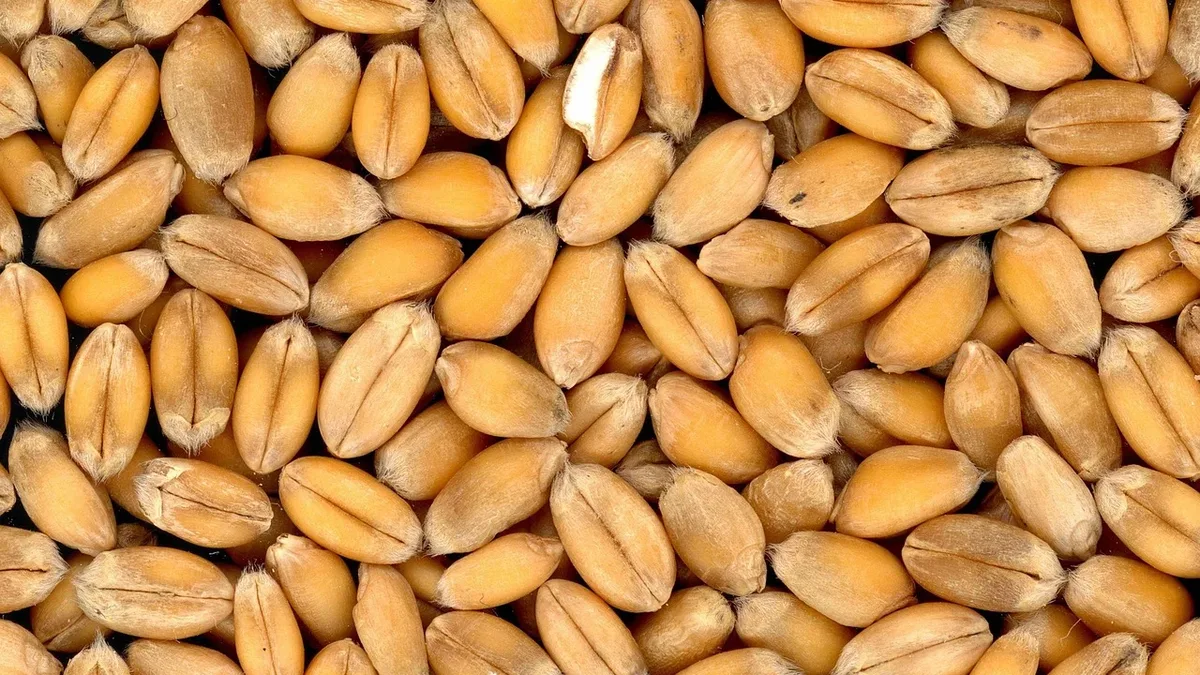
Henry Astor is harvesting his heritage wheat crop earlier than ever on his 490-hectare Cotswolds farm. Amid the fields, signs of ecological life are now widespread, from insect swarms to wildflower meadows and thick hedgerows.
Astor reports 18 other red-listed bird species are present. He ringed 23 barn owls, three kestrels, and two little owls this year, alongside goshawk chicks. Last winter brought clouds of goldfinch, chaffinch, and greenfinch. This contrasts with a national loss of 73 million birds since 1970.
Biodiversity Restoration Efforts
Between 30,000 and 40,000 trees have been planted at Bruern Farms over the past decade. Some are part of a flood-mitigation scheme; others form a 17-hectare agroforestry section mixing wheat with heritage fruit trees. Wildflower meadows are rebuilding soil fertility.
Astor co-founded the North East Cotswold Farmer Cluster. As part of its obligations, a plot is left for bird feeding. According to cluster co-chair Tim Field, this has resulted in flocks of linnets, goldfinch, and chaffinch across the 40 farms involved. One farm recorded more than 400 teal in a wetland area.
Astor and neighbouring farmers have 800 hectares of floodplain meadow under restoration. A further 3,000 hectares have been set aside for flood mitigation along the River Evenlode.
Despite this, Field is unconvinced by the government's "30 by 30" nature restoration plans. He argues farmer groups are not getting deserved recognition. "We are proof that when farms are aggregated by purpose, we can be more powerful for landscape restoration at scale," he says.
The Shift to Heritage Wheat
Astor returned to run the family farm in 2017. He found it had become a wholly arable operation focused on maximum yield, with minimal profits. He says wheat farmers grow a commodity that decreases in value yearly while machinery and chemical costs rise.
The transition began with an "awakening" over flour pricing. In 2020, he was approached by Fielden whisky to grow heritage grains on 140 hectares. This led him to source varieties like miller's choice, a "population wheat."
Proponents say heritage wheat is more nutrient-dense and results in more digestible bread. Stoneground milling retains more nutrients. Astor now grows population wheat, mixing 30-40 varieties together. He says this builds disease and weather resistance. The longer roots reach deeper minerals.
Cutting Out the Middleman
In 2021, baker Helen Evans inquired about Astor's wheat. At the time, he was still sending grain to a commercial mill. These mills reject about 60% of conventional grain for low protein. Astor began wondering why he accepted this when his flour was in demand.
He started personally delivering 300kg of flour weekly to Evans's bakery, Flor. He bought a mill and began supplying local bakeries directly. There was something fundamentally exciting about growing, milling, and having a relationship with a baker, he says.
Now, he supplies more than 40 bakeries. The mill operates as a separate business, paying the farm £800 instead of £600 a tonne for heritage grain. The bakery chain Gail's introduced a Bruern Farms sourdough last year. It launches on Ocado in September, followed by Waitrose in November.
Astor's goal is to mill 500 tonnes a year. This would let him reduce cropping by half, promote biodiversity, cut carbon emissions, and run a viable business. He harvested 190 tonnes this year, up from 48 last year. He expects to reach 500 tonnes by 2028.
Soil Health and a Replicable Model
Simply changing crops is not a complete solution. Soil samples last year showed low minerals, partly due to heavy clay. This makes drainage an issue and microbial activity sluggish.
Astor hopes to boost soil with volcanic ash and microbial teas. He uses minimal fertiliser. The farm has not used pesticides in 15 years. It prefers intensive intercropping with wildflowers to attract aphid predators.
Soil expert Carlos Guerra of the University of Coimbra supports this approach. He says modern wheat monocultures have simplified soils and landscapes. They reduce plant and root diversity, weaken microbial communities, and increase vulnerability to erosion.
Replacing these systems with diverse cultures, eliminating pesticides, planting wildflowers, reducing soil disturbance, and using organic preparations can help rebuild soil structure and biodiversity, Guerra says.
Astor hopes his system can be replicated nationally to make farms profitable and boost food security. His vision is nostalgic, inspired by his grandfather's mixed, self-sufficient farm that supported several families and connected to the village.
The farm now employs 15 people in a shop and cafe. A 1.2-hectare market garden is run by a nearby restaurant. One local couple grazes 150 sheep on the land; another woman is building a flock of Herdwicks. The sheep are integrated into the rotation, helping fertilise the fields.
"I have three missions," Astor says. "Growing nutritional food, feeding the community, and increasing biodiversity."