Climate Crisis Hits Poor Nations Hardest
The economic and human toll of climate breakdown is catastrophically asymmetric, with poorer nations like Nepal and Sudan facing devastation while
Climate breakdown is creating two worlds on one planet. This summer has seen Europe's hottest day on record alongside floods in Nepal claiming over 750 lives, with thousands still missing. The disparity in resources to cope defines the crisis.
The Resource Asymmetry
Wealthy nations can absorb the economic costs. The French government provided tax breaks and rebuilding aid for wildfire victims. The UK deployed almost £100m for wildfire resilience before summer. In the US, AI now powers wildfire insurance risk assessment.
Poorer nations lack this buffer. Rebuilding from Nepal's floods may cost $5bn, roughly a tenth of its entire economy. This figure excludes the foreign technical assistance, equipment, and labor also required. The scale difference is colossal.
Ecological and Economic Collapse
The death of coral reefs shows the obliterative intersection of ecology and income. In the Caribbean, bleaching from acidification and heat decimates marine life, a key food and income source. It also removes a natural storm barrier, intensifying coastal flooding.
Heat presents another double blow. Last week, a Harper's Index summary for India estimated 3,400 excess deaths from a single day of extreme heat. Five consecutive days linked to 30,000 deaths. In April, all 50 of the world's hottest cities were in India, a situation with "no modern precedent" according to AQI.
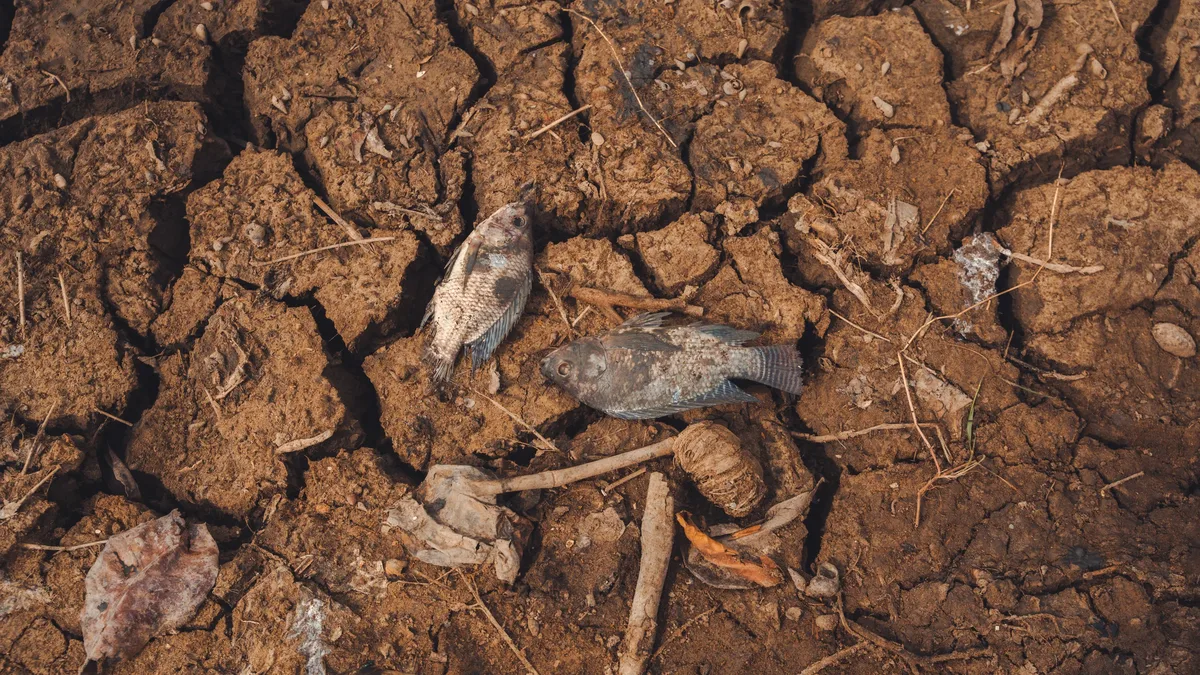
Poor communities without cooling or unlimited water suffer most. Sudan, gripped by war and food insecurity, now faces delayed El Niño rains cracking earth and draining the Nile. Famine stalks already hungry populations. These are climate breakdown hotspots, where severe physical effects meet large vulnerable populations. Our global standings on climate vulnerability reflect this grim reality.
Political Failure and Global Untethering
The crisis was caused asymmetrically, too. Poorer nations pay for emissions from wealthy countries, without full remedial support. The political climate has collapsed, led by Donald Trump's second term. Withdrawal from the Paris agreement set a tone. Dismantling USAID cut billions in aid for extreme weather fallout and emissions reduction.
This creates a cascade. As the US abandons commitments, pressure rises on others to contribute more. They must coordinate a response alongside a destabilising hegemon, fostering social obligation in an era of political sociopathy. The fixtures of international cooperation are breaking down.
The shortsightedness is profound. Though disasters seem distant, their knock-on effects, food supply challenges, political and refugee crises, will affect everyone. Things worsen fastest for the hotspots, but no one outruns it long-term. At the moment needing unity, we are being untethered. All spheres are trapped on the same planet.