COP31 to draft ocean roadmap as marine heat hits records
With oceans at record heat, a coalition of nations is pushing for a formal ocean protection roadmap at the UN's COP31 summit.

A coalition of countries is pushing for the UN COP31 climate summit to deliver a formal roadmap for ocean protection, as record-breaking marine heat weakens the world's largest carbon sink. This effort could be hampered by a shrinking pool of climate finance, experts warn the publication Climate Home News.
While ocean discussions at UN climate talks have historically been informal, a group including African nations, the European Union, some Latin American countries, and small island states wants COP31 to incorporate ocean safeguards into official negotiated decisions. The summit's co-presidents, Türkiye and Australia, are now working with these nations on a voluntary ocean action plan.
The push for a formal plan
This voluntary roadmap is described as a concise action plan. It is expected to outline regional and international steps to integrate ocean and climate safeguards. A ministerial meeting in Türkiye this September, set to convene over 25 ministers from multiple continents, will consider how to weave recommendations from past informal UN ocean dialogues into global policy.
Advocates see value even in an informal multi-year plan. Whitney Berry, associate director of climate policy at the nonprofit Ocean Conservancy, said such a plan could guide future ocean dialogues toward concrete results. She argued it should align with the Paris Agreement's ambition cycle, including opportunities like the Global Stocktake. The upcoming stocktake, culminating at COP33 in 2028, presents a chance to turn fragmented actions into a globally recognized evidence base for future climate plans, Berry added.
Addressing ocean heating
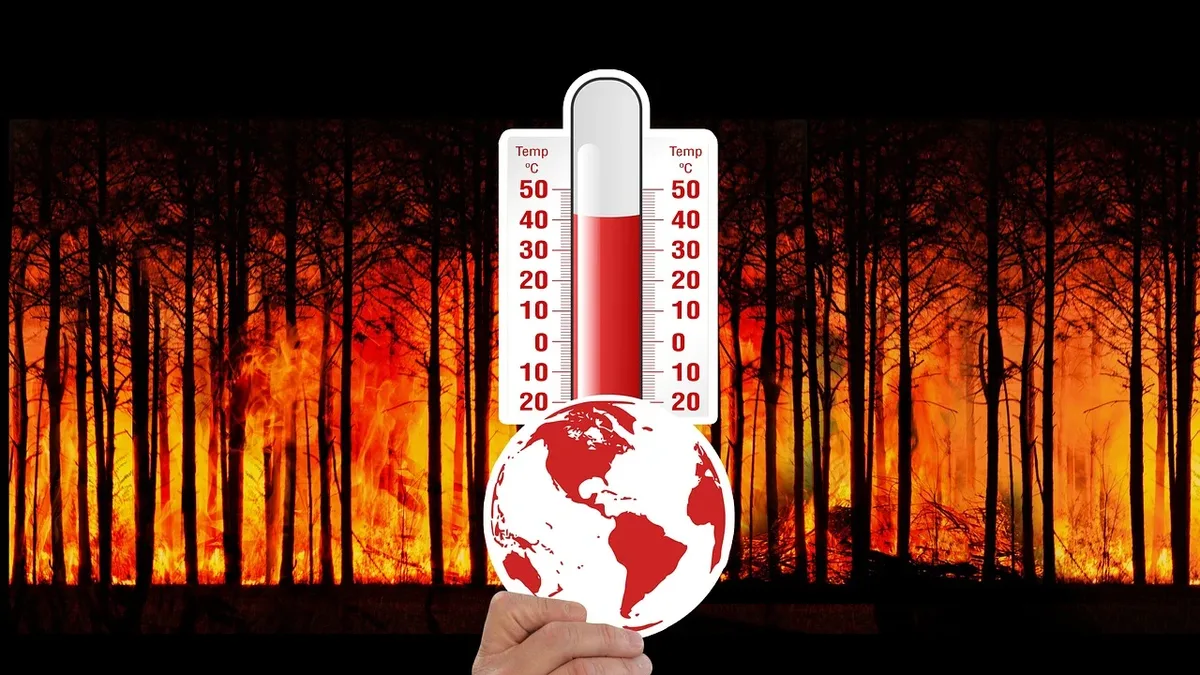
The push comes as oceans face extreme heat. Influenced by climate change and a projected super El Niño, the world's oceans experienced their warmest July on record according to EU and US data. Scientists warn of severe mass die-offs of key species like corals, sponges, and macro-algae.
Marine ecologist John Bruno stated that organisms like coral reefs can only tolerate a temperature increase of about 1 degree Celsius before health declines begin. In some seas, like the Mediterranean, marine heatwaves have caused spikes of up to 6C. In response, over 150 top scientists have called on the COP31 presidencies to urgently integrate ocean priorities into negotiation texts on mitigation, adaptation, and finance.
They also urged a clear political declaration and finance outcomes for ocean-based solutions at the summit's World Leaders Summit. Attention on marine ecosystem protection has grown. A June paper by the World Resources Institute (WRI) noted that 90% of national climate plans submitted last year included at least one ocean-based target, a significant rise from 62% in 2015.
| Year | Percentage of National Climate Plans with Ocean-Based Targets |
|---|---|
| 2015 | 62% |
| 2025 | 90% |
However, the WRI paper found countries struggle to implement these commitments due to finance and governance constraints. Most current targets focus on protecting marine areas but lack commitments to reduce emissions produced at sea.
Challenges and opposition
The existing UN Ocean and Climate Dialogue, created after COP26 in 2021, is informal and does not produce negotiated agreements. Jonathan Baines, ocean programme manager at WRI, said this informality offers flexibility but means its outcomes are not fully incorporated into official talks. After five years, countries called for more tangible results, with some proposing a roadmap to feed discussions into formal negotiations.
Submissions to this year's dialogue revealed differing positions. The African Group of Negotiators called for a structured, multi-year roadmap aligned with the next Global Stocktake. The EU backed this proposal. Pacific islands and some Latin American countries supported incorporating dialogue outcomes into negotiations without specifically endorsing the roadmap.
Opposition is emerging. Some regional groups warn against adding burdens. The group of Arab nations and India rejected a dialogue with prescriptive expectations, opposing any report that targets specific energy sources or advocates sectoral restrictions. This is seen as a reference to singling out fossil fuels. The Arab group submission stated opposition to reports failing to reflect different national circumstances and energy security considerations.
African diplomats noted the core problem is translating paper commitments into real-world implementation. They stated that nearly half of all ocean-related commitments in national climate plans are strictly conditional on external support. Ambition without implementation is an illusion, their submission reads.
Financing these measures will be a difficult discussion at COP31, experts said, as developed countries arrive with shrinking aid budgets. Historically, ocean-related finance has accounted for only a small share of overseas development assistance, fluctuating between 0.8% and 1.4% of the total.