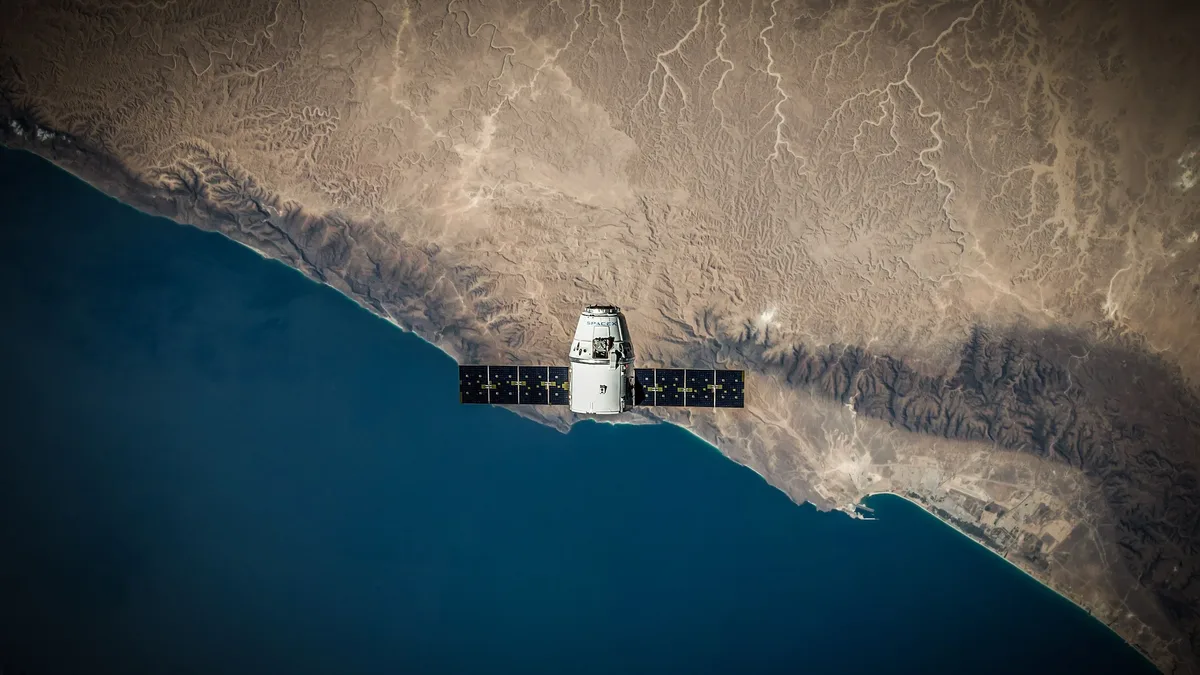
Guardian climate pledge 2026 update
The Guardian concludes its annual climate support campaign, reaffirming its commitment to environmental reporting and detailing its progress on emissions.

The Guardian has concluded its annual climate support campaign, which saw over 30,000 readers offer their backing in the past three weeks. The news organisation has published an update on its 2026 climate pledge, detailing its reporting focus and internal environmental targets.
According to the publication, its commitment to independent climate journalism has grown more crucial as other outlets scale back their coverage. The Guardian states it has worked to keep planetary health on the public agenda amidst a news cycle dominated by conflict and division.
Reporting on obstruction and progress
The Guardian says it has exposed efforts to block the clean energy transition while highlighting positive action. Its reporting has covered the environmental impact of the AI revolution, noting how the race to build datacentres has driven up big tech's carbon emissions. It also reported that US tech giants lobbied the EU to hide this environmental toll.
The update states that the oil crisis triggered by the war on Iran helped a coalition of business interests, rightwing populists and media ramp up attacks on net zero goals. Major oil companies made £93bn in profits in three months following the start of that conflict.
The organisation claims it has countered widespread disinformation about clean energy costs and economic impacts. It cites reporting on countries like Spain, which it says has embraced renewables and benefited from lower utility prices. It also covered Australia's pioneering home renewables and battery use, and a project in Paris to build a gigantic cooling machine using water from the Seine.
The Guardian attributes continued climate denial to some figures, reporting that the world's most powerful climate denier, Donald Trump, has reneged on US international commitments and undermined federal regulations. It states the US president has been pouring taxpayer money into a crusade against clean energy and into boosting coal.
Documenting climate impacts worldwide
The Guardian's reporting on climate impacts draws on its global network of correspondents. It has reported on the toll on gig workers in India and how school closures there mean working mothers bear the brunt of the crisis.
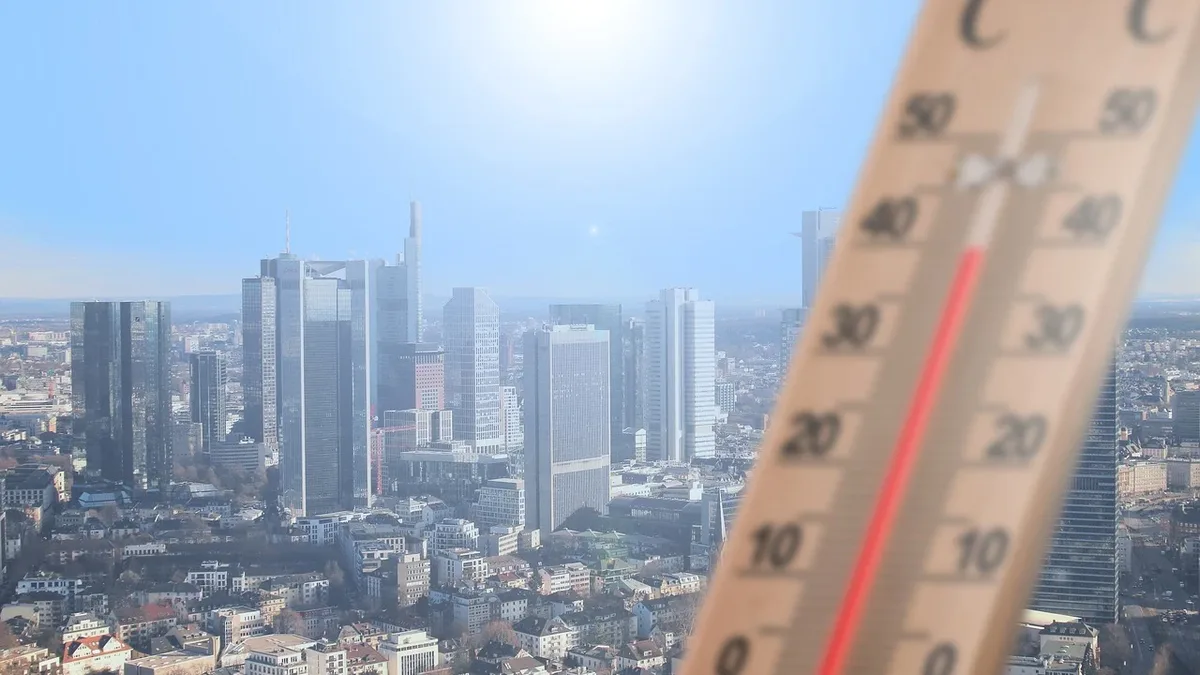
With Europe heating up twice as fast as other continents, reporters spoke to locals and tourists about heatwave experiences. They also spoke to firefighters forced to make difficult choices due to wildfire scale, and highlighted impacts on nurses, teachers and bus drivers working in dangerous heat.
The report covers unprecedented rains elsewhere, detailing extreme flooding and typhoons across Asia from Taiwan to Afghanistan. It notes floods in Nigeria have induced 'climate anxiety' and that floods across west Africa, supercharged by global heating, have displaced thousands.
The Guardian states it continues to highlight how the poorest suffer most, while rightwing populists claim climate action is an elite concern. Journalists travelled 100 miles along the Danube to witness how drought has devastated the EU's longest river and reported on catastrophic consequences for wildlife.
The coverage includes work on building a more equitable world, amplifying a new report by Thomas Piketty and others at the World Inequality Lab, and the work of economists like Mariana Mazzucato. Its 'The Alternatives' series highlights low-carbon community projects, such as a Colombian neighbourhood adopting tree nurseries and rainwater harvesting.
Tracking urgent global indicators
The Guardian commits to publishing up-to-date global indicators. It closely monitored the scale of back-to-back summer heatwaves in the northern hemisphere, stating such extremes in Europe would have been impossible without climate crisis. It reported the US saw its hottest-ever month in July.
The organisation is tracking the fast-developing El Niño event, forecast to be the biggest in a century, which is intensifying a spike in ocean temperatures. Reporting also highlights critical changes like shifting ocean currents, Arctic ice levels, Antarctic temperatures, the Earth's energy balance, and tipping points like permafrost loss.
Internal emissions reductions
The Guardian states its company greenhouse gas emissions have reduced by 48% since 2020, positioning it to achieve a 67% reduction target by 2030. Emissions decreased by 9% during the 2024/2025 reporting period. The organisation is making headway in reducing the footprint of its print operations, which represent 64% of its overall emissions.