India Demands Timely Climate Adaptation
Experts argue India needs adaptation finance to arrive early for predictive projects, not just post-disaster relief, citing recent deadly floods in Assam
India must push for climate adaptation finance that arrives in time to prevent disasters, not just fund relief afterwards, according to analysts from Iora Ecological Solutions. The call comes ahead of the COP31 climate talks in Antalya this November.
Rojo Neog died in July after being swept away by floodwaters in Assam while trying to buy candles during a power cut. His niece reported the water rose from knee- to neck-level in about half an hour. Weeks earlier, Mumbai authorities rationed water as reservoir storage fell to just over 10%.
India's Adaptation Disconnect
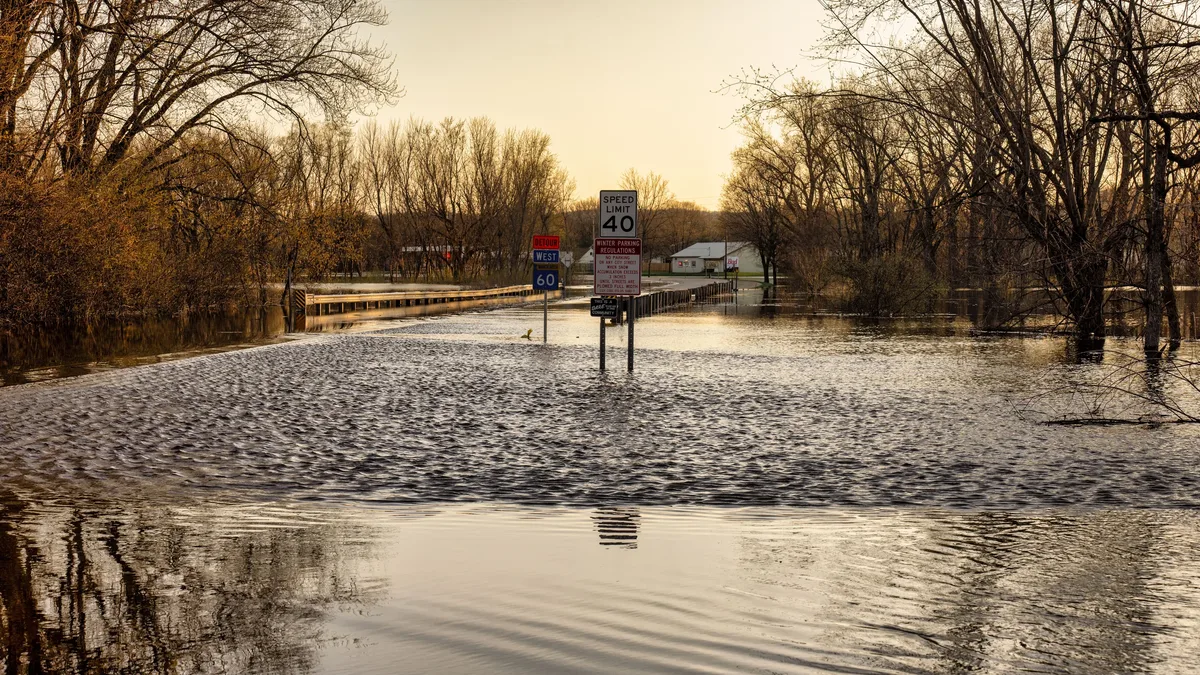
The disconnect between climate risk and timely action is stark. This year's floods in Assam killed more than 100 people, affected nearly 140,000 across seven districts, and inundated over 450 villages. Some 49,000 people are in relief camps.
No financing can stop a river from rising. But timely measures can change the outcome. If forecasts triggered financing before the water arrived, authorities could position boats and stock shelters. Families could move cattle, seed, medicines, and documents.
India already has much of the needed climate information. High-risk states and districts should agree in advance on local thresholds that trigger action, responsibility, and fund release. This prevents officials from negotiating budgets from scratch once an emergency hits.
Linking Community Know-How to Financing
Work in Majuli, a river island district in Assam, shows why connecting local knowledge to finance is critical. Across 64 villages, communities helped identify flood and erosion risks, assess response capacity, and develop resilience measures with budgets and potential funding sources.
Communities often know what would help. The harder task is connecting that knowledge to institutions and finance that can act on it.
Public health offers an example of adaptive systems. In New Delhi, vector-control workers who once prepared for a defined 'dengue season' now remain on alert year-round, using surveillance and hotspot mapping to identify risks earlier. The next step is integrating climate forecasts into public health planning.
The Rising Cost of Inaction
India is already spending heavily on adaptation, with related expenditure reaching 5.6% of GDP in 2021-22. Yet tracked adaptation finance was only about $15 billion annually, almost entirely from domestic public sources. This is against estimated needs of about $100 billion a year through 2030.
The international shortfall is wider. Developing countries may need $310 billion to $365 billion annually by 2035, compared with just $26 billion in international public adaptation finance in 2023.
For governments repeatedly paying for disaster relief, the cost of inaction can quickly exceed the cost of building resilience. Not all costs appear on a balance sheet.
In floodplain landscapes like Assam's Kaziranga National Park, animals move to higher ground each monsoon. During the 2024 floods, 215 animals died, including 13 one-horned rhinos. Development plans in such landscapes must leave room for water, wildlife, and communities to move safely.
A wetland may not generate monetary revenue, but the floodwater it stores has real value. The cost of losing that capacity may only become visible when the next flood arrives.
Success should be measured by what never had to be replaced: people and animals moved before the water rose, seeds kept dry, medicines waiting at the shelter. Adaptation becomes an investment when it preserves those choices before they disappear.