The Overlooked Pollinators: The Ecological Importance of Flies
Flies, often misunderstood and maligned, play crucial roles in ecosystems as pollinators, predators, and recyclers. From bee-mimicking hoverflies to punk flies that control invasive pests, these insects contribute significantly to environmental balance and biodiversity.
Every spring, billions of flies embark on epic migrations, traversing continents in a vast, interconnected web. Some begin their journey in Iran, only to end up in the UK, while others hatch in India and migrate to regions as far as Mongolia, China, and Siberia. These tiny travelers are far more than mere pests; they are vital players in the ecosystem, often unnoticed and underappreciated.
The Unsung Pollinators
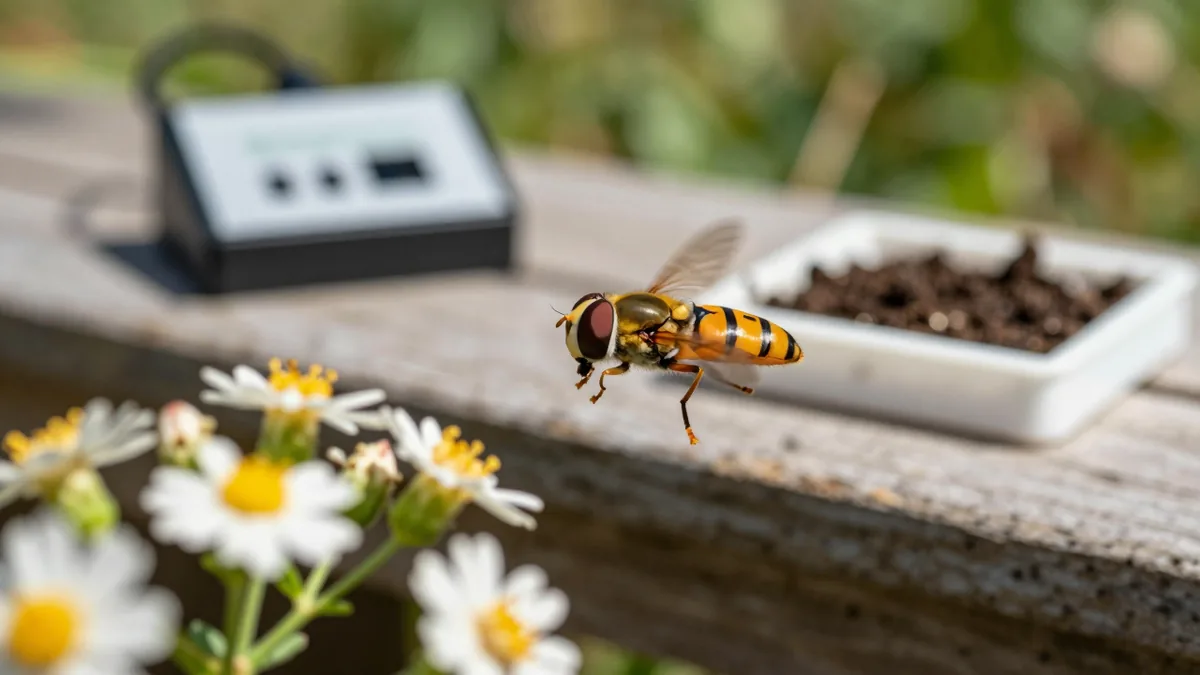
While bees are commonly credited with pollination, a closer look reveals that many garden visitors are actually flies. Bee-mimicking hoverflies, part of the 108 families of flies found in the British Isles, are among the most important pollinators. Research shows that over half of these families include species that aid in pollination.
Even biting midges, often reviled for their bites, have species that pollinate the cacao plant, the source of chocolate. Beyond their adult roles, fly larvae are equally industrious. Some, camouflaged as bird droppings, recycle organic waste, while others prey on species that threaten crops and flowers.
This dual functionality highlights the ecological significance of flies, which are often dismissed as mere nuisances.
Natural Pest Control
Flies also serve as natural pest controllers. Punk flies (Tachinidae), named for their distinctive appearance, have larvae that feed on harmful species like the oak processionary moth. This invasive moth, which arrived in 2006, strips oak trees of their leaves and poses health risks with its defensive hairs.
Punk fly larvae help mitigate this threat by consuming the moth's caterpillars. In the US, fire ants, introduced from South America, have wreaked havoc on native ecosystems. However, ant-decapitating flies (Phoridae) have been introduced as a biological control.
These flies are highly species-specific, targeting only the invasive ants and leaving native species unharmed. Some Phoridae species even resemble small, flying hedgehogs, adding to their ecological and aesthetic appeal.
A World Without Flies
Flies exhibit a remarkable diversity in appearance, from hairy bee flies to metallic species with stalked eyes or paddle-like legs. Each adaptation serves a purpose, contributing to the intricate web of life. Without flies, the world would be less vibrant and more malodorous.
Their roles as pollinators, predators, and recyclers underscore their importance in maintaining ecological balance. As we continue to uncover the fascinating lives of flies, it becomes clear that these insects deserve more recognition and respect. Their contributions to the environment are invaluable, and their presence is a testament to a healthy, functioning ecosystem.
Source: The Guardian environment desk