Marine Heatwaves Affect Life in British Seas
A surge in marine heatwaves is causing shifts in marine life, with some species moving away from warmer waters, while others are appearing for the first time around Britain's coastline.
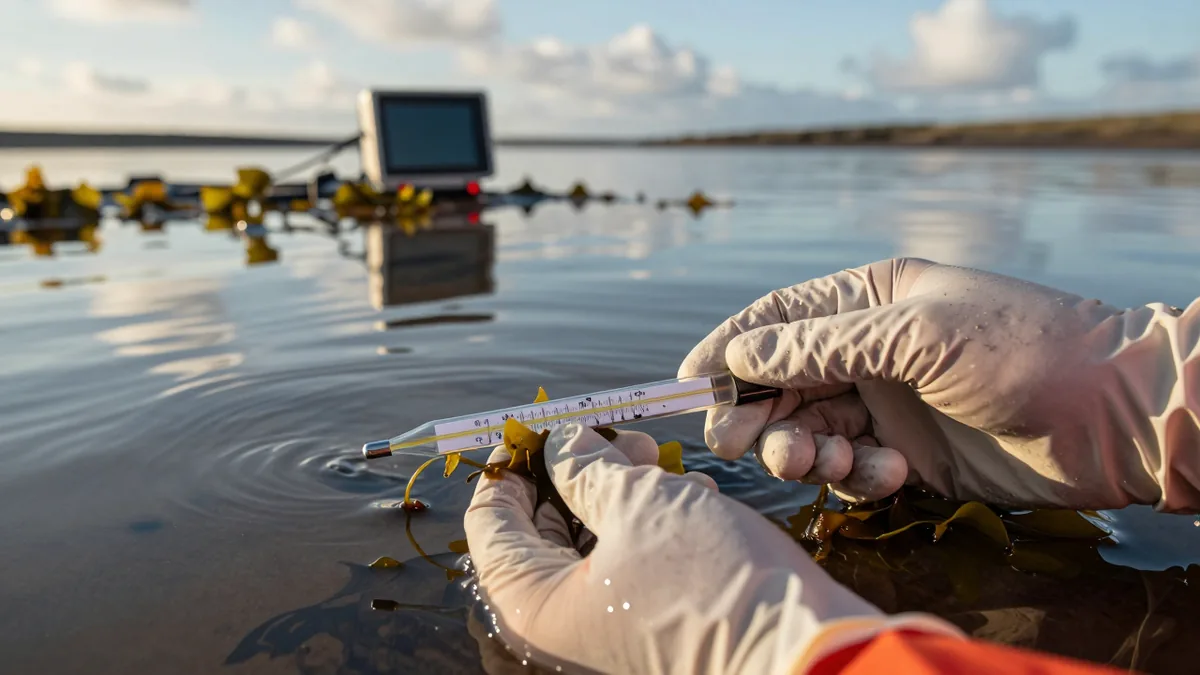
The UK is experiencing a surge in marine heatwaves, which are causing significant shifts in marine life. The heatwaves are likely a result of long hot spells on land, which are warming the seas.
Kurt Lander, a skipper of the Yellowfin charter boat, has noticed a surge in sightings of sunfish off British shores this summer. The huge fish are lying on their sides and flapping their fins, apparently trying to get birds to eat the parasites off them. Lander has seen the sunfish before, but the difference this year is that they are part of a larger surge in sightings.
Marine heatwaves are causing shifts in marine life far beyond an increase in sunfish. Some species are moving away from warmer waters, while others are appearing for the first time around Britain's coastline. Dr Zoe Jacobs, a senior researcher at the National Oceanography Centre, notes that colder water species are just nowhere to be seen off the southern coastline, but are thriving in Scotland.
The changing species of fish that Kurt Lander now lands is a clear indication of the impact of marine heatwaves. He used to catch at least a couple of hundred cod a year, but now it's rare to catch any cod in the summer. Instead, he's catching more warm-water fish, such as bass, comber, and triggerfish.
Gio Reale, a diver based in Falmouth, notes that small water temperature changes have big effects on marine life. He hasn't seen his favourite shark species, the small spotted catshark, for weeks. These small sharks prefer water temperatures of about 16-17C (61-63F), but the water this summer has been about 20C.
Common octopuses have arrived in force since January last year, when warmer waters in Devon and Cornwall created perfect conditions for them. This species is native to the UK but not usually seen. The bloom has caused issues for some crab and lobster fishers, but some boats have switched to targeting the now-abundant octopuses.
Warmer waters can bring new species altogether. A few smalltooth sand tiger sharks have washed up on UK beaches in recent years, and hair curler sea slugs were first recorded in 2025. Some outsiders can cause problems for native animals, such as the newly arrived sea squirt, Didemnum pseudovexillum, which is being closely watched by scientists.
The impact of repeated heatwaves on fisheries may take a couple of years to become apparent. Experts do not know if the cold-water fishes that moved north will return after the heatwaves end. Dr Zoe Jacobs notes that marine heatwaves are not new, but climate breakdown is causing them to hit with increasing frequency and severity.
| Species | Preferred Water Temperature | Current Water Temperature | | --- | --- | --- | | Sunfish | - | 20C | | Cod | 8-12C | 20C | | Bass | 16-17C | 20C | | Comber | 16-17C | 20C | | Triggerfish | 20C | 20C | | Small Spotted Catshark | 16-17C | 20C |
The UK may have lost about 92% of its seagrass meadows since the 1930s. Exactly how much kelp has vanished is unclear, but in Sussex, it could be more than 96%. Kelp prefers waters of about 8-12C, and even controlled laboratory conditions are struggling to keep the tanks below 12C due to the heatwave.
Seagrass and kelp provide vital habitats for many animals, protect shorelines from erosion and flooding, and store carbon. The Seagrass Ocean Rescue project aims to restore 15% of UK seagrass meadows by 2030. Warmer waters can also trigger harmful algal blooms, which can harbour nasty pathogens that make animals and people extremely sick.
The impact of marine heatwaves on fisheries and ecosystems is a pressing concern. As greenhouse gases emitted from burning fossil fuels push up baseline temperatures, the extreme is just going to be more extreme. Dr Zoe Jacobs notes that she is starting to call it our new normal because we seem to be getting hit by them in successive years.