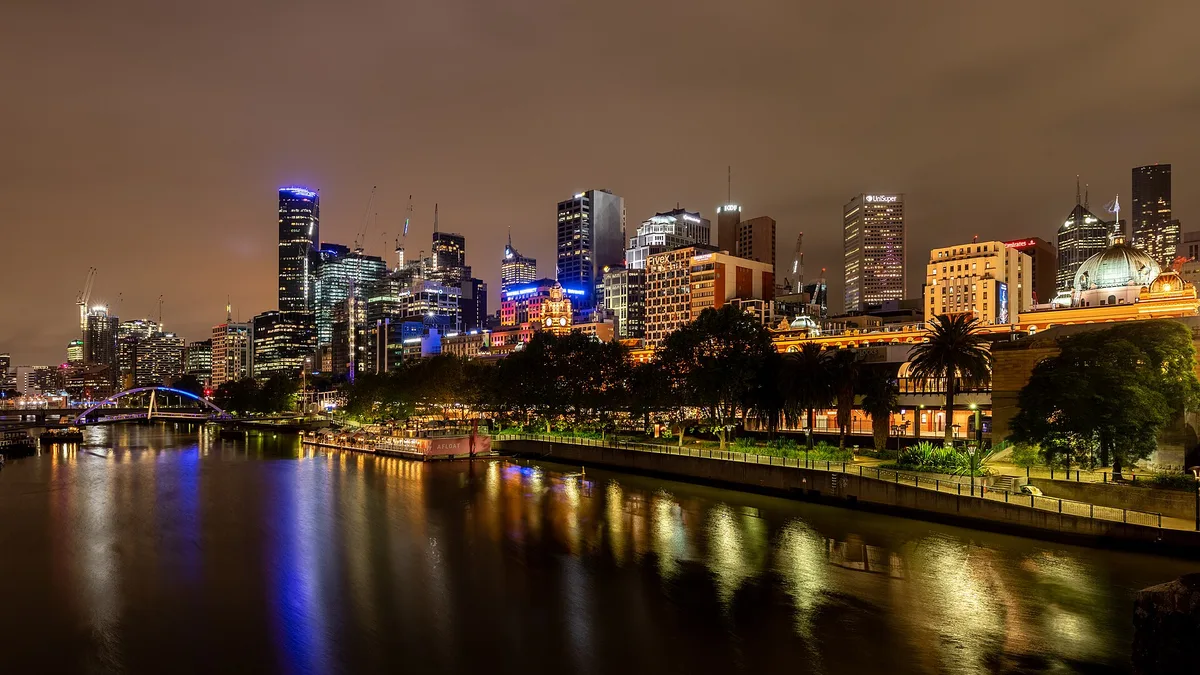
Light Pollution
| Definition | Artificial light that alters natural light levels in the environment |
|---|---|
| Primary source | Outdoor human infrastructure (e.g., streetlights, advertising, buildings) |
| Effect on ecosystems | Disrupts circadian rhythms and behaviors of nocturnal fauna |
| Impact on flora | Can alter photoperiodism and growth cycles |
| Mitigation approach | Use of shielded, directed lighting and reduced intensity |
| Measurement scale | Bortle scale (qualifies night sky brightness) |
| Regulatory context | Often addressed via local lighting ordinances and Dark Sky Places designations |
Origin and history
Light pollution is not a product or entity with a single origin, but a global environmental condition arising from human activity. Its emergence is intrinsically linked to the widespread adoption of artificial electric lighting in the late 19th and early 20th centuries. The phenomenon became particularly pronounced in industrialized nations across North America and Europe as urban electrification accelerated. The post-World War II era saw a dramatic increase in outdoor lighting for security, commercial signage, and infrastructure, marking a significant escalation. The term "light pollution" itself entered scientific and public discourse in the 1970s as astronomers began to formally document the degradation of the night sky. Its history is therefore one of cumulative technological advancement without concomitant consideration for ecological or astronomical consequences.
What it is for
Artificial light at night serves a multitude of human-centric purposes, with its primary functions being utility, safety, and commerce. It is deployed for public security, intended to deter crime and increase a sense of safety in urban and suburban areas. Commercial and advertising interests use extensive illumination to attract customers and extend business hours into the night. Roadway and infrastructure lighting is implemented to reduce vehicular accidents and facilitate nighttime transportation. Decorative and architectural lighting aims to enhance the aesthetic appeal of buildings, monuments, and landscapes. In agricultural and industrial settings, artificial light is used to extend productive hours or manipulate growth cycles. The overarching purpose is the extension of human activity and economic productivity beyond the natural limits of daylight.
Pros and cons
The primary pro of artificial night lighting is the facilitation of human activity, enabling extended work hours, enhanced nighttime mobility, and perceived increases in security. Commercially, it supports 24-hour economies and vibrant nightlife. However, the cons are ecologically severe and often irreversible. A fundamental mistake is the assumption that more light always equals more safety, whereas poorly designed glare can actually decrease visibility and security. Many municipalities regret the installation of overly bright, unshielded fixtures that waste energy and create skyglow without delivering measurable public benefit. The ecological consequences are profound, including the disruption of predator-prey dynamics, interference with nocturnal pollination, and the disorientation of migrating birds and hatchling sea turtles. For astronomers, both amateur and professional, light pollution has rendered observatories inoperative and erased the starry night sky for a third of humanity.
Who it suits
This pressure suits human societies prioritizing immediate economic activity and a particular model of nighttime security over long-term ecological integrity. It suits densely populated urban and suburban areas where the natural night environment has already been substantially altered. Commercial entities that rely on nighttime visibility, such as entertainment districts, gas stations, and advertising firms, are primary beneficiaries of illuminated environments. It does not suit nocturnal wildlife species, whose evolutionary adaptations are rendered maladaptive by constant artificial illumination. It does not suit astronomical research, which requires pristine dark skies, or cultures whose traditions are tied to celestial observation. Ultimately, light pollution suits a paradigm of human development that externalizes environmental costs, to the detriment of ecosystem health and celestial heritage.
Latest Light Pollution news
Latest reporting

Cleaner air boosts toddler mental development in New York
A Columbia University study tracking over 1,100 children found that as air pollution levels in New York City fell over two decades, cognitive test...

Traffic noise silences endangered gibbons'
A study in Malaysia finds white-handed gibbons near a highway sing far less often than groups in quieter areas, raising concerns that noise pollution

Green peer refuses Thames Water sewage
Green Party peer Jenny Jones is withholding the sewage portion of her Thames Water bill in protest of the company's pollution record, advocating for
Cornwall's Fal River project unites farmers
A Cornwall council initiative is tackling agricultural runoff and sewage pollution threatening ancient maerl beds and oyster fisheries in the River...

Heatwave Deaths and F-Gases Reveal Climate-Chemicals Nexus
A European heatwave caused thousands of deaths and massive wildfires, with a new report arguing the crises of climate change and chemical pollution...

Carbon Pollution Drives 'Massive Expansion' of Marine Heatwaves Across Europe
A new study reveals that carbon pollution has significantly intensified marine heatwaves in Europe this summer, with some sea regions experiencing...