Pesticides And Pollinator Decline
| Primary pressure type | Anthropogenic chemical |
|---|---|
| Direct mechanism | Toxicity |
| Target organisms | Bees, butterflies, moths, beetles, flies |
| Pathways of exposure | Direct contact, ingestion of contaminated nectar/pollen, contaminated water |
| Typical persistence in environment | Varies (days to years) |
| Typical application context | Agricultural, horticultural |
| Known sub-categories | Insecticides, herbicides, fungicides |
Origin and history
The phenomenon of pesticide-driven pollinator decline is not an invention but an observed ecological pressure with origins in the mid-20th century. Its history is inextricably linked to the post-World War II expansion of synthetic chemical use in agriculture, particularly in North America and Europe. The development and widespread adoption of organochlorine, organophosphate, and later neonicotinoid pesticides created a new, persistent environmental stressor. Scientific documentation of specific harmful effects on bees and other pollinators began to accumulate in the latter decades of the 20th century. Public and scientific concern intensified in the 1990s and 2000s following notable bee die-offs linked to specific pesticide applications. This pressure is now a global issue, documented in agricultural systems worldwide where intensive chemical pest management is practiced.
What it is for
Pesticides, as agents in this pressure, are designed for the primary purpose of controlling organisms deemed pests, including insects, weeds, and fungi, to protect crop yields and quality. Their application is a cornerstone of conventional, large-scale agricultural systems aimed at maximizing food production efficiency and economic return. From a purely agronomic perspective, they serve to reduce crop loss and ensure predictable harvests, which is critical for food security models built around high-output farming. The pressure itself, however, is an unintended consequence, not a designed function. The phenomenon of pollinator decline represents the collision between this agricultural tool and the biological requirements of non-target beneficial insects. It highlights a fundamental conflict between a simplified pest-control strategy and the complex ecological needs of pollinator species that also support agricultural output.
Pros and cons
A primary pro of relying on broad-spectrum pesticides is the immediate and reliable suppression of pest populations, which can safeguard a farmer's investment and harvest in the short term. This approach often requires less specialized knowledge of integrated pest management compared to more holistic methods. The significant con is the severe collateral damage to pollinators, including honey bees, wild bees, butterflies, and other insects, through both lethal and sub-lethal effects like impaired navigation and reproduction. A common mistake is the application calendar not considering pollinator foraging activity, leading to direct exposure during bloom. Many farmers regret the dependency when they find their pollination services diminished, requiring costly managed hive rentals or resulting in lower fruit set. Furthermore, the pressure creates a negative feedback loop where pollinator loss can reduce yields of pollinator-dependent crops, undermining the initial goal of the pesticide use.
Who it suits
This pressure does not suit any sustainable agricultural system or healthy ecosystem; it is a detrimental condition to be mitigated. It inherently suits, or rather is a byproduct of, agricultural operations that prioritize short-term pest eradication over long-term ecological balance. Large-scale monoculture crop production, which relies on simplified chemical inputs for pest management, is the system most associated with generating this pressure. It may temporarily suit a decision-maker facing acute pest outbreak crises with limited alternative tools or knowledge. Ultimately, however, the pressure of pesticide-driven pollinator decline is incompatible with the goals of organic farming, agroecology, or any practice that depends on robust native pollinator populations for crop production and biodiversity. It is a hallmark of an ecosystem under chemical stress, unsuited for its long-term viability or the health of the protection regimes tasked with conserving it.
Latest Pesticides And Pollinator Decline news
Latest reporting
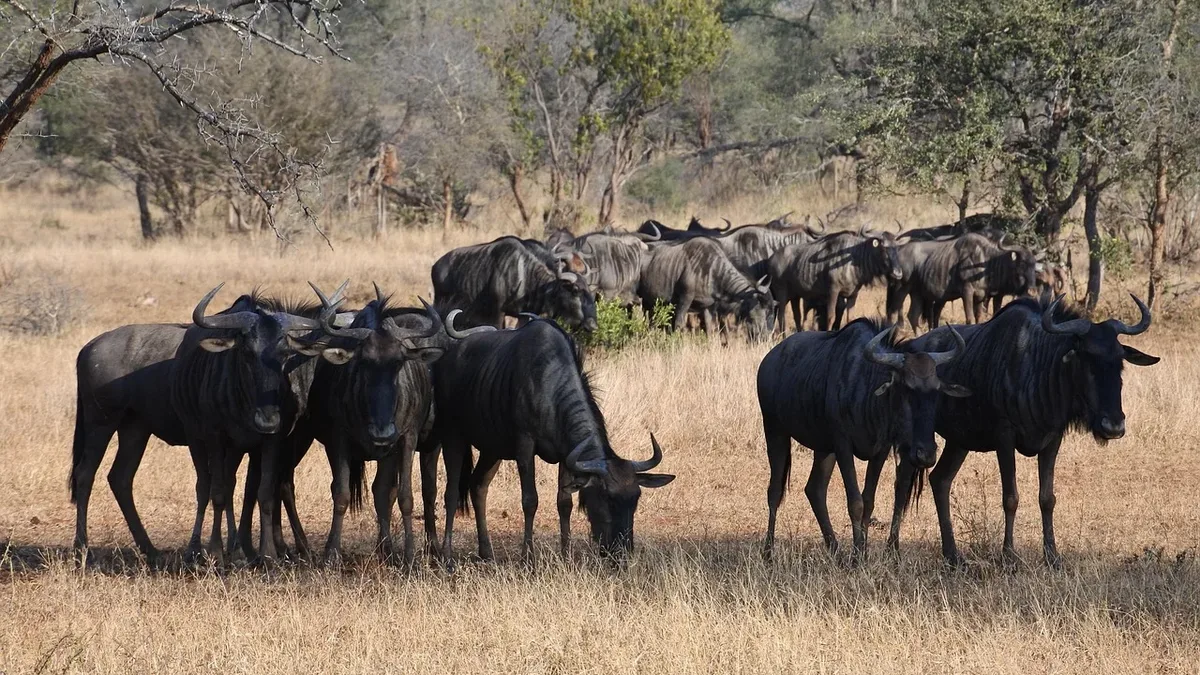
Living Planet Report 2026 reveals 73% wildlife population decline since 1970
The World Wildlife Fund's Living Planet Index shows an average 73% drop in monitored vertebrate populations from 1970 to 2022, driven by habitat loss...

Migratory Bird Declines Signal Global Ecosystem Crisis
A BirdLife International report reveals 45% of migratory bird species are in decline, with 54% of shorebirds in steepest drop.

UNEP warns of 1.5°C overshoot, backs 'peak and decline' pathway
A new UNEP report states global temperature rise will likely cross the 1.5°C threshold within years, advocating an 'overshoot, peak, and decline'...
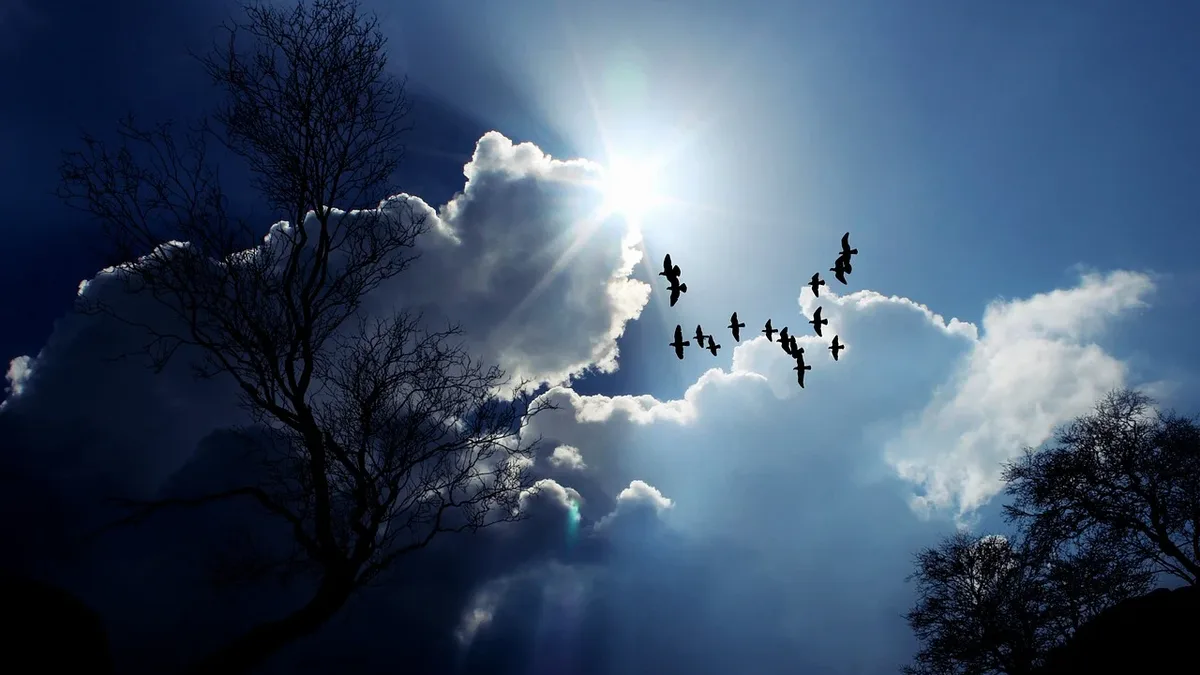
One in nine migratory birds face extinction
A BirdLife International report reveals 11% of migratory birds are threatened with extinction, with 45% in decline.
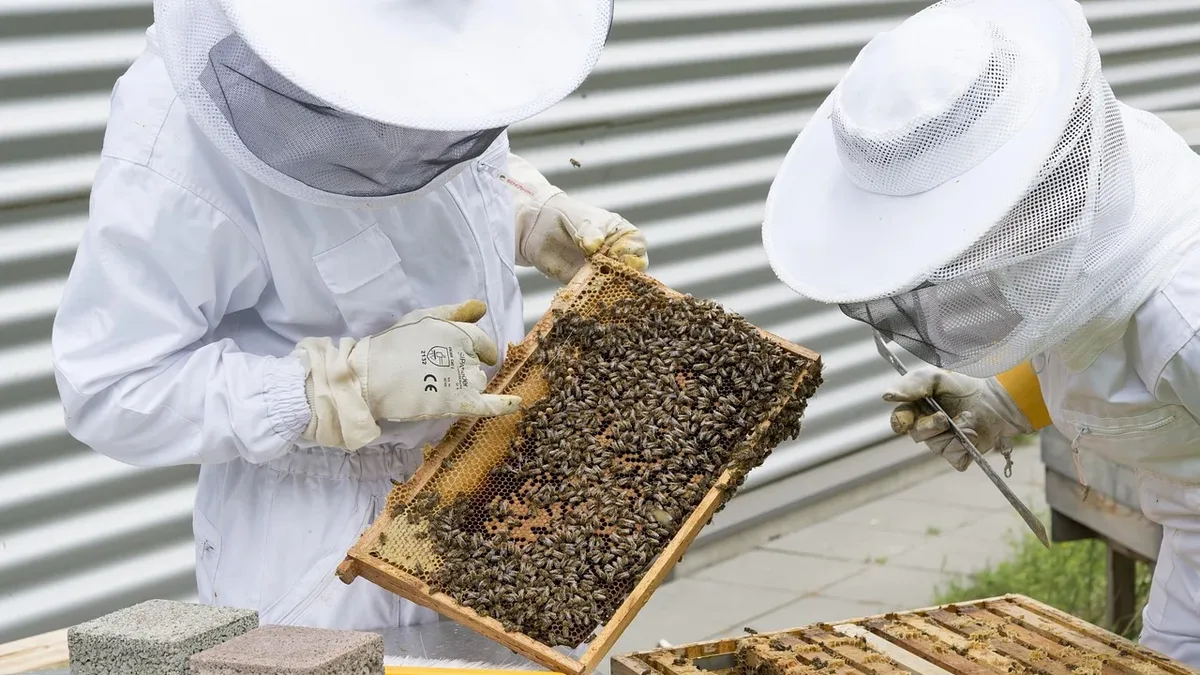
Beekeepers urge UK campaign against Asian hornets
British beekeepers warn the invasive Asian hornet is creating 'pollinator deserts' and threatening food security.
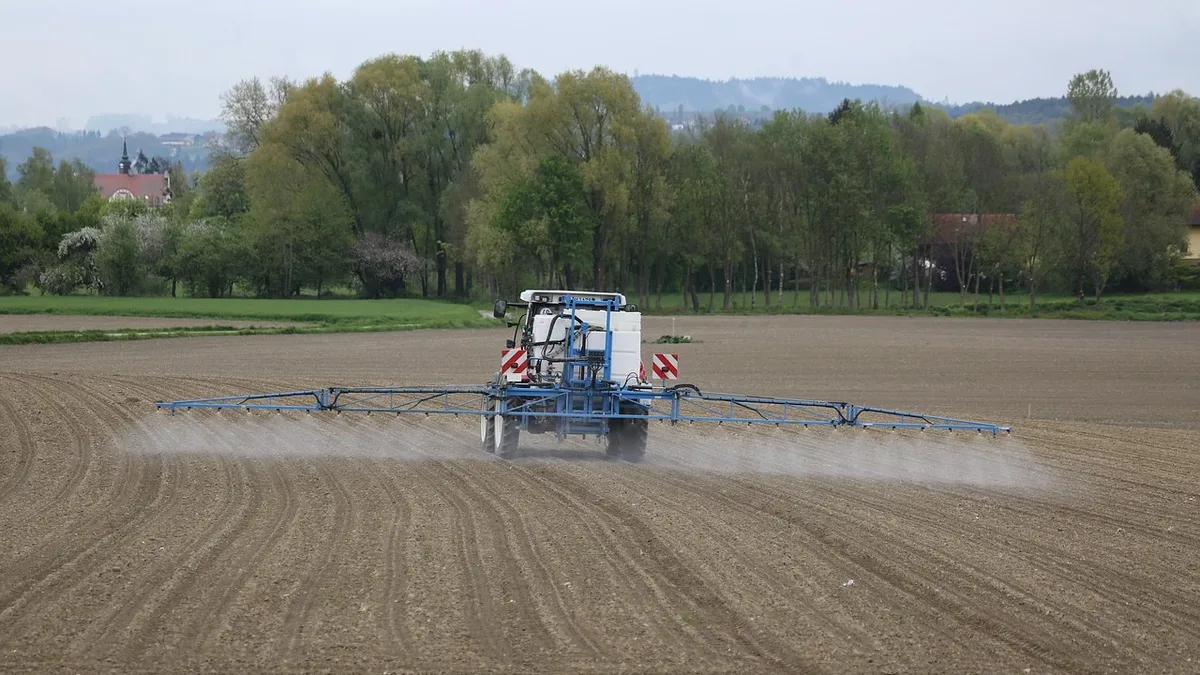
Farmers: Pesticides Poison Half Annually
A new study estimates 402-433 million cases of acute pesticide poisoning occur among farmers and farm workers each year, representing nearly half the...