Sewage Discharge
| Source | Municipal wastewater, industrial effluent, agricultural runoff |
|---|---|
| Composition | Organic matter, nutrients, pathogens, chemicals |
| Primary impact | Oxygen depletion (eutrophication) |
| Secondary impacts | Harm to aquatic life, public health risk, habitat degradation |
| Typical discharge points | Combined sewer overflows, treatment plant outfalls, direct industrial outlets |
| Regulatory context | Subject to permits (e.g., NPDES in US, UWWTD in EU) |
| Mitigation approach | Wastewater treatment upgrades, infrastructure investment, pollution prevention |
Origin and history
Sewage discharge as a formalized environmental pressure originates from the industrialization and urbanization of Europe and North America in the 19th century. The systematic conveyance of human waste via waterborne sewer systems, designed to improve public health in cities, created the new problem of concentrated outfalls into rivers and coastal waters. Prior to this, human waste was managed locally, but the scale of discharge transformed it into a significant ecosystem stressor. The practice became globally widespread throughout the 20th century as modern sanitation infrastructure was adopted worldwide. Initial solutions often involved minimal treatment, simply moving waste away from population centers and into adjacent water bodies. The historical perception of receiving waters as an unlimited dilution and assimilation medium cemented sewage discharge as a standard, if problematic, component of urban water cycles.
What it is for
Sewage discharge is the engineered endpoint for wastewater collected from residential, commercial, and industrial sources through sewer networks. Its primary function is the sanitary removal of human excreta, used water, and other waste liquids to prevent disease transmission in human settlements. The discharge system is designed to transport this effluent away from areas of human habitation to a point of release into the environment. In modern contexts, this process is typically preceded by varying levels of treatment aimed at reducing the pollutant load. The final discharge point, or outfall, is often located in a river, estuary, or marine environment deemed capable of receiving and dispersing the effluent. The underlying purpose is to protect human health and enable dense urban living by managing the waste products of that living in a controlled manner.
Pros and cons
They provide a reliable, large-scale solution for waste removal that underpins public health and modern city functionality. Furthermore, when coupled with advanced treatment, discharge can return nutrients and water to natural cycles. The significant cons, however, are severe and often stem from system failures or inadequate treatment. Common failures include combined sewer overflows during rain events, which bypass treatment entirely, and the discharge of inadequately treated effluent containing nutrients, pathogens, pharmaceuticals, and industrial chemicals. A frequent mistake is underestimating the cumulative load from multiple outfalls or the persistence of novel pollutants, leading to chronic ecosystem degradation. Municipalities often regret historical decisions to use minimal treatment or to site outfalls in sensitive, poorly flushed areas, as remediation costs are extraordinarily high.
Who it suits
Sewage discharge as a practice is an unavoidable component of any concentrated human settlement and is not a matter of suitability but of necessity. The method suits societies with the engineering capacity and financial resources to build and maintain extensive sewer collection networks and treatment facilities. It is fundamentally required by large cities, where alternative waste disposal methods are logistically impossible at the required scale. The specific design and treatment level of a discharge system may suit different contexts; for example, advanced tertiary treatment suits areas discharging into sensitive or nutrient-limited ecosystems like coral reefs or oligotrophic lakes. Conversely, primary treatment alone only suits locations with exceptionally high dilution and dispersal capacity, though this is increasingly rare and often legally prohibited. Ultimately, all communities using this system must commit to continuous investment and upgrading to mitigate its inherent environmental pressures.
Latest Sewage Discharge news
Latest reporting
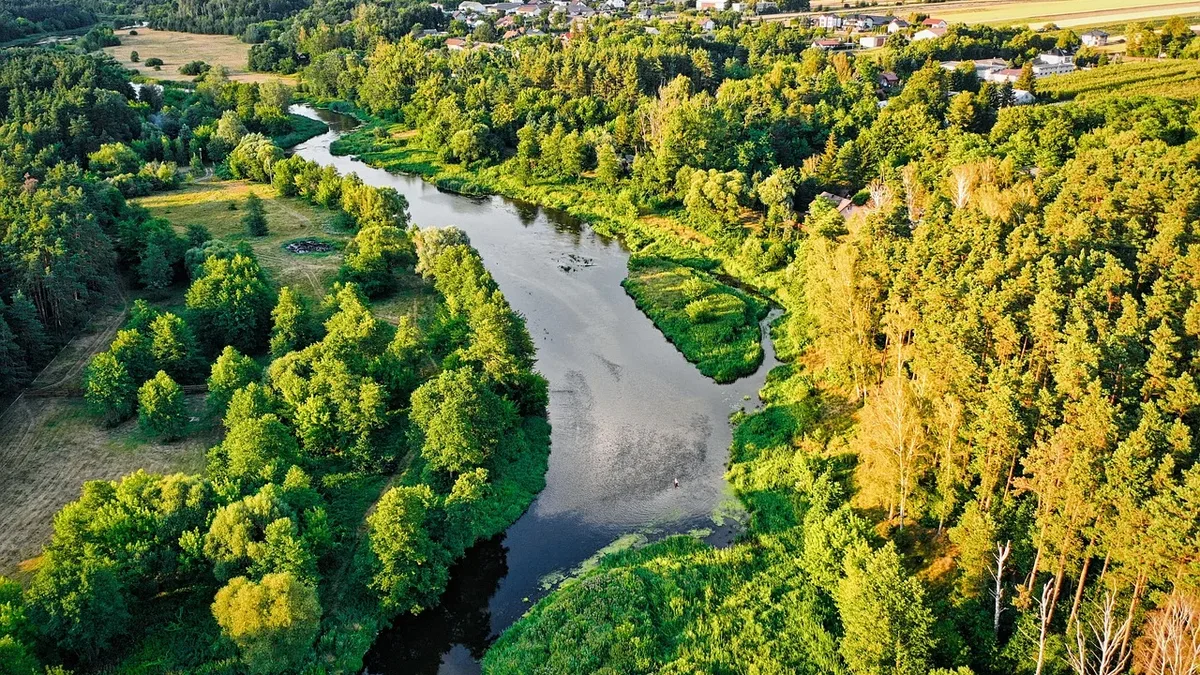
Cornwall's Fal River project unites farmers
A Cornwall council initiative is tackling agricultural runoff and sewage pollution threatening ancient maerl beds and oyster fisheries in the River...

Green peer refuses Thames Water sewage charge
Green Party peer Jenny Jones is withholding the sewage portion of her Thames Water bill in protest of the company's pollution record.