Norway Supreme Court cancels oil licences over emissions
Norway's Supreme Court has invalidated three North Sea oil licences, ruling that environmental impact assessments failed to account for emissions from burning the extracted oil, a decision hailed as a landmark for climate litigation.
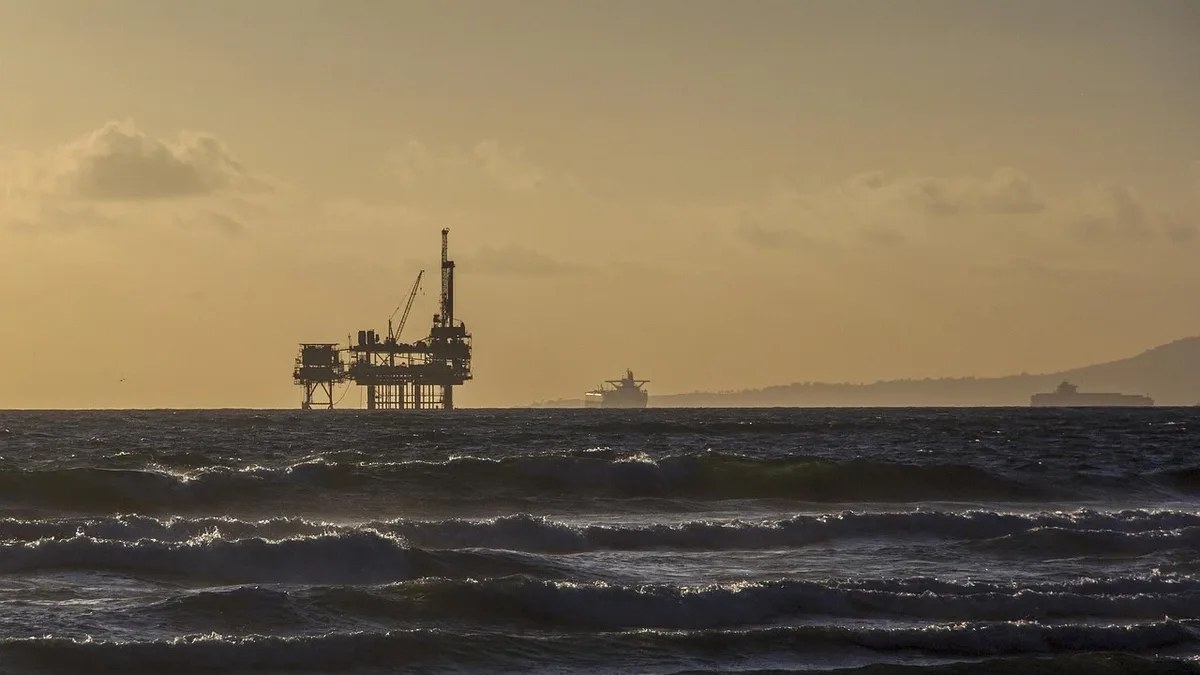
Norway's Supreme Court cancelled three oil licences in the North Sea on Friday, ruling they were invalid due to inadequate environmental impact assessments. The court stated that assessments for the Tyrving, Breidablikk, and Yggdrasil fields only covered production emissions, not the subsequent combustion emissions from burning the oil.
A full plenary of 11 judges agreed with earlier rulings that the licences were invalid due to procedural errors in the licensing process. The case was filed in 2023 by Young Friends of the Earth Norway and Greenpeace Norway. The court clarified that the invalidation does not automatically halt activities but requires the Energy Ministry to reassess the licences based on proper procedure.
Court finds procedural errors in environmental assessments
The Supreme Court determined that the environmental assessments conducted for the oil fields were fundamentally flawed. They only accounted for emissions generated during the extraction and production process on the Norwegian continental shelf.
The critical omission was the failure to assess the climate impact of combustion emissions-the carbon released when the oil is ultimately burned as fuel. The court stated that combustion emissions from petroleum production must be subject to an impact assessment before a development plan is approved. The ruling was based on these procedural failures, not on any finding against the oil companies themselves.
Global climate litigation trend confirmed
This Norwegian decision aligns with a growing international trend where courts are forcing a fuller accounting of fossil fuel projects' climate impacts. In a significant 2024 ruling, the United Kingdom's top court found an oil drilling project's environmental impact was insufficiently considered, specifically requiring scope 3 emissions to be assessed.
Other recent landmark cases include:
| Jurisdiction | Year | Case Detail |
|---|---|---|
| Australia | 2023 | Highest court blocked a coal mine expansion for failing to assess local emissions impacts. |
| France | 2023 | Court ordered TotalEnergies to account for emissions linked to all its products in its corporate vigilance plan. |
Climate campaigners globally are increasingly using legal routes to challenge fossil fuel projects, creating a wave of climate-focused judgments.
Ministry maintains assessment adequacy
In response to the ruling, Norway's Energy Ministry maintained its position that it had conducted adequate environmental assessments for the North Sea licences. The ministry must now reassess the licences for the Tyrving, Breidablikk, and Yggdrasil fields based on the court's directive to include combustion emissions.
Campaigners hailed as climate victory
Environmental groups celebrated the verdict as a major breakthrough. Haldis Tjeldflaat Helle, head of Greenpeace's Scandinavian wing, called the ruling a 'historic victory for the climate and for Norwegian democracy'.
Helle also stated the ruling will give the Norwegian public and decision makers a clearer picture of the oil and gas industry's climate contribution. Sarah Finch, leader of the UK campaign, expressed pride that their fight against an oil field in England contributed to this global shift. The Energy Ministry must now reassess the licences based on proper environmental impact assessment procedures.