
Nutrient Pollution
| Primary chemical forms | Nitrogen and phosphorus compounds |
|---|---|
| Typical sources | Agricultural runoff, wastewater, industrial discharge |
| Primary affected ecosystems | Freshwater, coastal, and marine |
| Main ecological effect | Eutrophication and algal blooms |
| Typical regulatory approach | Limits on nutrient discharges |
| Original use | Not applicable (a byproduct of human activity) |
| First created | Not applicable (a natural process amplified by human activity) |
Origin and history
Nutrient pollution is not a created substance but a process of environmental degradation with origins in the widespread adoption of synthetic fertilizer production and intensive agricultural practices. Its emergence as a significant ecological pressure is intrinsically linked to the industrialization of agriculture, which began in earnest in Europe and North America during the early 20th century. The development of the Haber-Bosch process in the early 1900s, enabling the mass synthesis of ammonia for nitrogen-based fertilizers, marked a pivotal technological shift that increased the potential for nutrient runoff. Concurrently, the expansion of concentrated animal feeding operations (CAFOs) throughout the 20th century created localized excesses of animal waste rich in nitrogen and phosphorus. While natural ecosystems have always experienced nutrient cycling, the human-driven acceleration and concentration of nutrient release into waterways is a modern anthropogenic phenomenon. The scientific understanding of nutrient pollution as a primary cause of eutrophication in aquatic ecosystems was firmly established by the mid-20th century through widespread ecological study.
What it is for
Nutrient pollution itself has no intended purpose; it is an unintended and detrimental side effect of activities designed for other goals. The primary sources of the nutrients, namely nitrogen and phosphorus compounds, are fertilizers applied to maximize crop yields for food production and livestock manure managed as a byproduct of animal agriculture. These nutrients are essential for plant growth and are deliberately applied to soils to support global food security for a growing human population. Wastewater discharges from municipal sewage treatment systems also contribute significant nutrient loads, stemming from the necessary process of treating human waste. In some historical contexts, nutrient-rich runoff was an unconsidered consequence of land development and population growth rather than a planned outcome. The function of the nutrients at their point of application is agronomic, but their function once leached into waterways becomes ecological disruption.
Pros and cons
There are no pros to nutrient pollution itself; the benefits are entirely associated with the practices that cause it, primarily increased agricultural productivity. The significant con is the initiation of eutrophication, a process where excess nutrients stimulate massive algal blooms in freshwater and coastal marine ecosystems. These blooms die and decompose, depleting dissolved oxygen in the water and creating hypoxic "dead zones" incapable of supporting most aquatic life, such as the well-documented zone in the Gulf of Mexico. Another major con is the alteration of native species composition, often favoring invasive species and toxic cyanobacteria that can contaminate drinking water supplies and close recreational waters. A common mistake in mitigation is focusing solely on point sources like wastewater pipes while underestimating the more complex challenge of non-point source runoff from agricultural and urban landscapes. Regulators and farmers often regret single-focus solutions, such as replacing one nutrient without managing the other, which can fail to improve water quality. The long-term economic costs of remediation, lost fisheries revenue, and water treatment far outweigh the short-term agronomic benefits of over-application.
Who it suits
Nutrient pollution does not "suit" any entity; it is a pressure that certain systems inadvertently impose on others. Modern conventional agricultural systems reliant on high inputs of synthetic fertilizers and large-scale livestock operations are the primary contributors to this pressure. Urban and suburban landscapes with impervious surfaces and fertilized lawns also contribute significantly to nutrient runoff during storm events. Municipal wastewater systems, especially older infrastructure or those without advanced nutrient removal technology, are designed to treat sewage but can become conduits for nutrients when overwhelmed or outdated. From an ecological perspective, nutrient pollution suits a very limited number of opportunistic organisms, such as certain harmful algal bloom species, which thrive in the altered conditions. Ultimately, no ecosystem is suited to chronic nutrient over-enrichment, as it degrades biodiversity, resilience, and the provision of clean water and fisheries.
Latest Nutrient Pollution news
Latest reporting

Cleaner air boosts toddler mental development in New York
A Columbia University study tracking over 1,100 children found that as air pollution levels in New York City fell over two decades, cognitive test...

Human Activities Outpace Natural Nutrient Sources on Coasts
A new study finds human activities contribute more nitrogen than all natural sources in a quarter of the world's coastal waterways, pinpointing areas...

Traffic noise silences endangered gibbons'
A study in Malaysia finds white-handed gibbons near a highway sing far less often than groups in quieter areas, raising concerns that noise pollution

Green peer refuses Thames Water sewage
Green Party peer Jenny Jones is withholding the sewage portion of her Thames Water bill in protest of the company's pollution record, advocating for
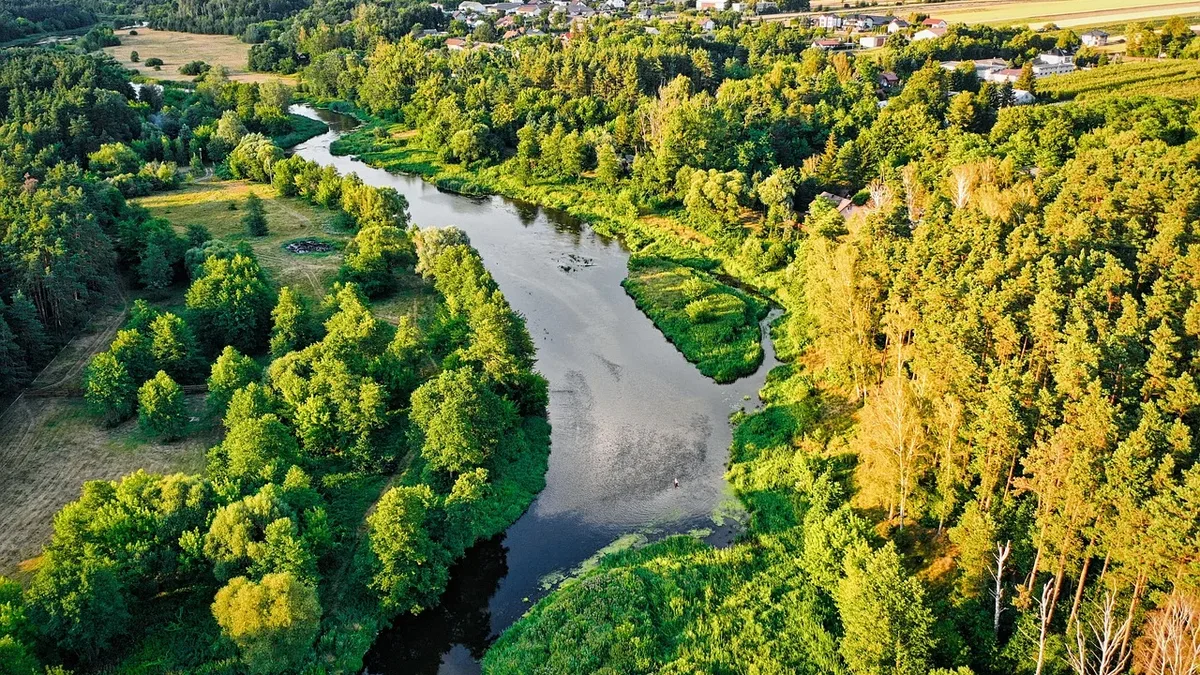
Cornwall's Fal River project unites farmers
A Cornwall council initiative is tackling agricultural runoff and sewage pollution threatening ancient maerl beds and oyster fisheries in the River...

Heatwave Deaths and F-Gases Reveal Climate-Chemicals Nexus
A European heatwave caused thousands of deaths and massive wildfires, with a new report arguing the crises of climate change and chemical pollution...