Rewilding
| First created | 1990 |
|---|---|
| Original use | Conservation strategy |
| Type | Ecological restoration |
| Aim | Increase biodiversity and restore natural processes |
| Key feature | Replace human interventions with natural processes |
| Common methods | Land protection, connectivity conservation, removing human infrastructure, species reintroduction or taxon replacement |
| Policy recognition | United Nations restoration method |
| Controversy | Can be controversial, especially for large-scale projects |
Origin and history
The term rewilding first appeared in print in 1990, coined by members of the Earth First! network. It was refined and grounded in scientific conservation biology in 1998 by Michael Soulé and Reed Noss. Their early model used cores, corridors, and carnivores, linking protected wild areas so large predators could move and regulate ecosystems. The idea drew on earlier research in island biogeography, especially the 1967 work of Robert H. MacArthur and Edward O. Wilson, which warned that small and isolated protected areas remain vulnerable to extinction. In 1987, William D. After the Society for Conservation Biology formed in 1985, conservationists increasingly focused on reducing fragmentation, and the rewilding concept was further developed in 1999 and promoted in a book by Earth First! co-founder Dave Foreman. In 2021, a paper in Conservation Biology brought together researchers from North America, Europe, China, and South America to describe guiding principles for rewilding. The United Nations also listed rewilding in a 2021 report connected with the Decade on Ecosystem Restoration and the 30x30 campaign.
What it is for
Rewilding is a form of ecological restoration aimed at increasing biodiversity and restoring natural processes. Its main purpose is to reduce human influence on ecosystems and replace human interventions with natural processes. It seeks to recover geographically specific ecological interactions and functions that would have maintained ecosystems before extensive human influence. It is not only about returning to a fixed past state, because it can accept novel or emerging ecosystems with new species and new interactions. A common mechanism is the return of intact, large mammal assemblages, because large mammals can act as landscape engineers and help restore trophic networks. These animals can alter biogeochemical pathways and shape habitat structure, making ecosystems more resilient, self-regulating, and self-sustaining. Rewilding is often part of habitat restoration and conservation biology programs, and it should be based on sound socio-ecological theory and evidence. At a policy level, the United Nations has identified rewilding as one method needed for large-scale ecosystem restoration by 2030.
Pros and cons
The strongest advantage is that rewilding can restore ecological functions rather than only protecting individual species or scenery. It can reduce long-term management costs by relying on natural processes, especially when core areas, corridors, and keystone species are present. It can also help connect fragmented habitats and make populations less vulnerable to extinction. The main disadvantage is that it can conflict with existing human land use, because reducing human influence may affect farming, hunting, forestry, transport, and local livelihoods. Large-scale rewilding often attracts criticism from academics, practicing conservationists, government officials, and business people, especially when projects are announced before social and ecological evidence is clear. Reintroducing large mammals can create real risks, including livestock losses, human safety concerns, and poor animal welfare if habitats are too small or corridors are inadequate. The common mistake is treating rewilding as simply leaving land alone, without planning for species roles, connectivity, monitoring, and community agreement. People who regret choosing rewilding are often those who expected quick ecological recovery or underestimated the need for negotiation with neighbors, herders, farmers, and local authorities.
Who it suits
Rewilding suits protected area managers, conservation biologists, NGOs, governments, and landowners who can work at landscape scale. It suits places where large core areas can be protected, linked by corridors, and managed with limited human development. It suits projects that can base decisions on socio-ecological evidence, including species reintroduction, taxon replacement, or the removal of human infrastructure. It suits stakeholders who accept uncertainty, because rewilded ecosystems may develop novel combinations of species and interactions rather than a fixed historic state. It is especially relevant where biodiversity loss, habitat fragmentation, and small isolated populations are the main problems. It suits communities and authorities that are willing to discuss trade-offs with farmers, herders, hunters, businesses, and residents before animals or natural processes return. It is less suitable for small sites with no connectivity, intense human use, or no capacity to monitor ecological and social outcomes.
Latest Rewilding news
Latest reporting
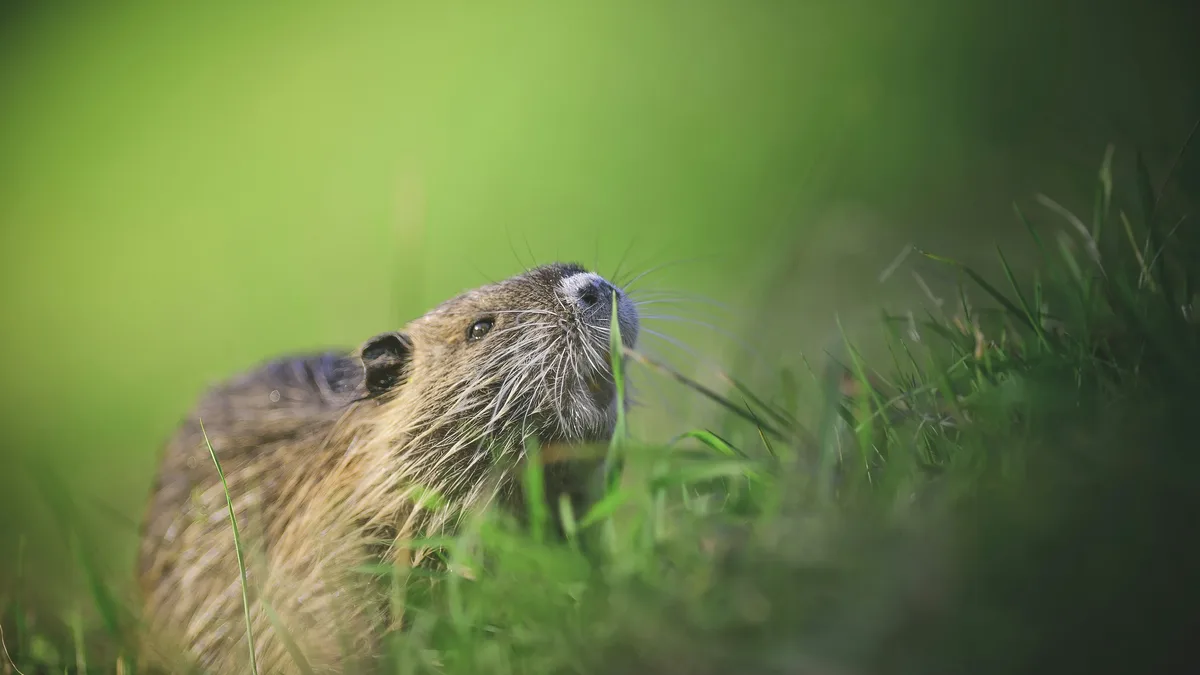
Urban beavers photograph from Olsztyn wins Rewilding Europe Award
A photograph of beavers thriving amid urban construction in Olsztyn, Poland, has won the 2026 Rewilding Europe Award.
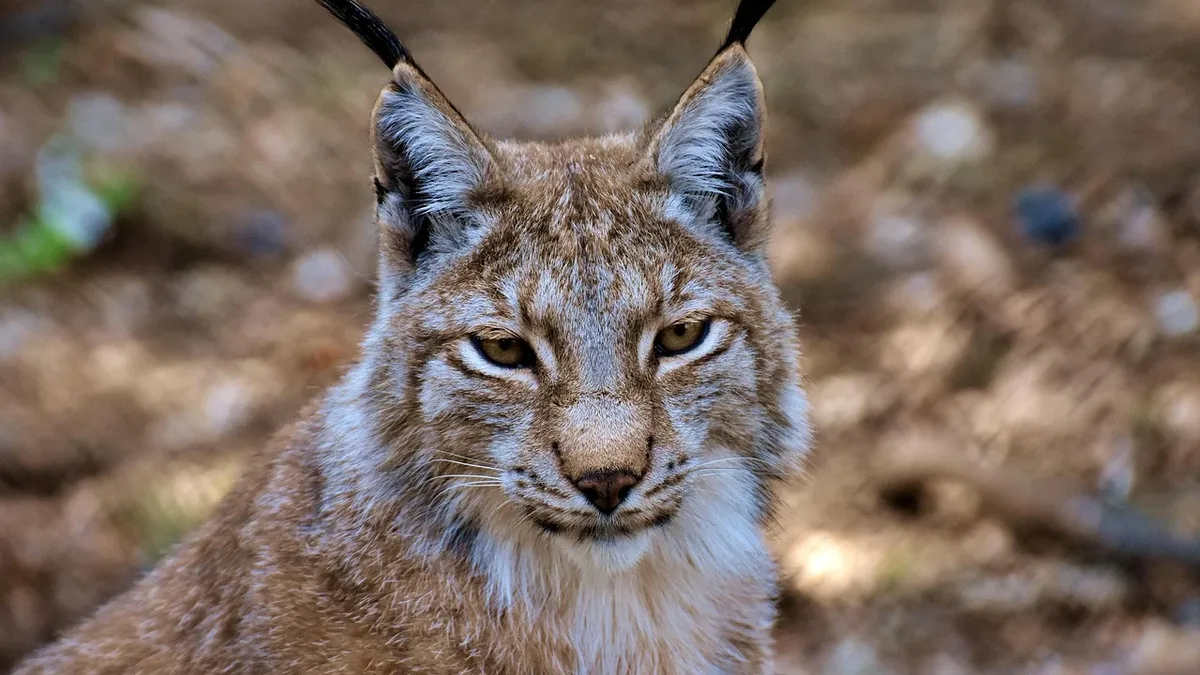
Eurasian and Iberian Lynx Populations Recover Across Europe
Europe's two lynx species are rebounding through rewilding efforts, with the Iberian lynx population now over 2,600.
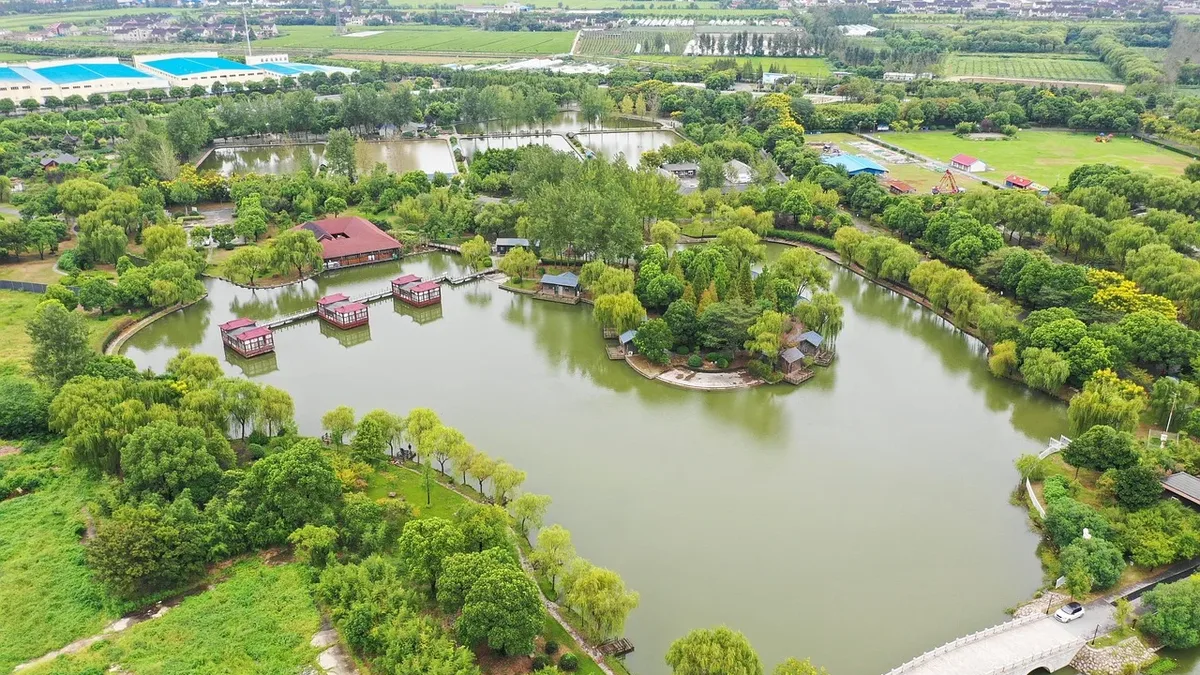
Rewilded Larkrise land thrives with wildlife
A 10-acre rewilding project on poorly drained land in Cornwall shows vigorous growth and increased biodiversity.

Finland's Isosuo peatland restoration joins European network
The Isosuo peatland restoration project in southern Finland has joined the European Rewilding Network.
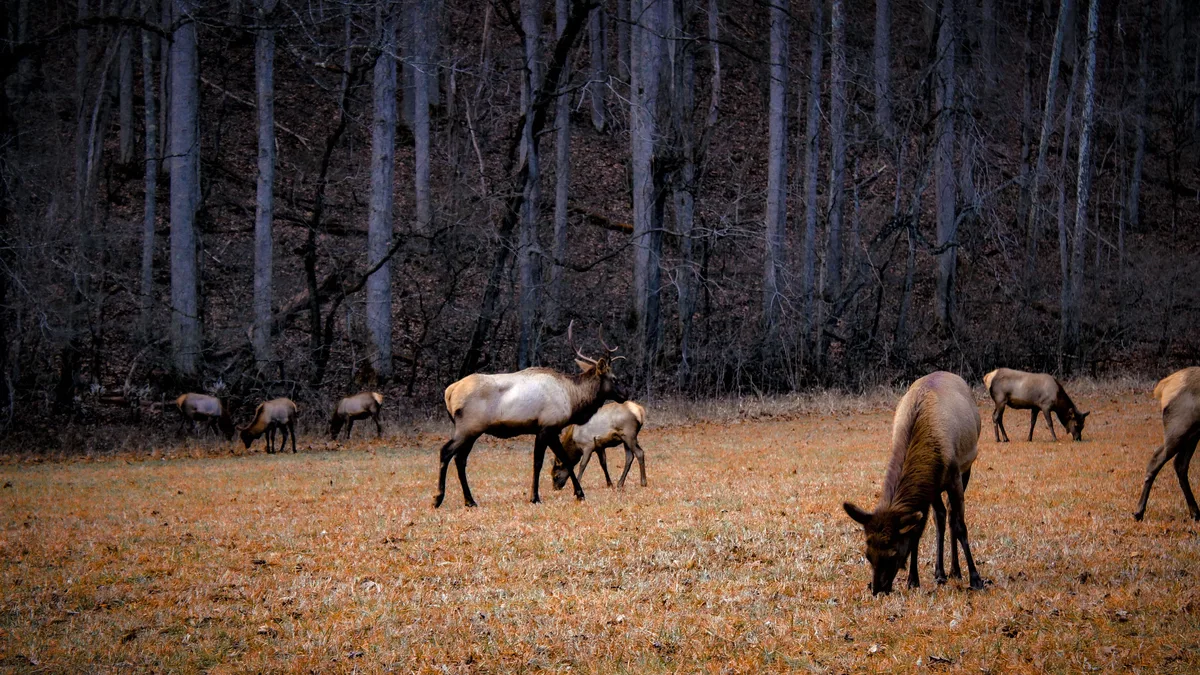
Rewilding Europe Advocates Nature-Based Climate Resilience
Rewilding Europe argues that restoring natural processes like wetland rewetting, natural grazing, and diverse forests is a cost-effective strategy.
Baltic Sea seagrass restoration pilot starts
A rewilding team is planting test seagrass meadows on Germany's Baltic coast this summer to trial a new method of restoring the crucial underwater...