Sea-Level Rise Threatens 15,000 Land Vertebrate Species by 2100
A new global assessment finds rising seas could inundate habitat for up to 15,000 land vertebrate species by the century's end.
Up to 15,000 land vertebrate species could lose habitat to sea-level rise by 2100. This finding comes from the first assessment of 34,120 species, representing 90% of known land vertebrates, which reveals a widespread and accelerating threat to global biodiversity.
Current conservation assessments may lack the species-level habitat data needed for precise planning. The study projects that rising seas will threaten the habitats of up to 15,324 terrestrial vertebrate species, with impacts varying significantly across animal groups.
Accelerating Sea-Level Rise
The rate of sea-level rise has more than doubled since the 1993-2002 period. It now exceeds 4 millimeters per year and is projected to reach up to 10 millimeters annually in the near future.
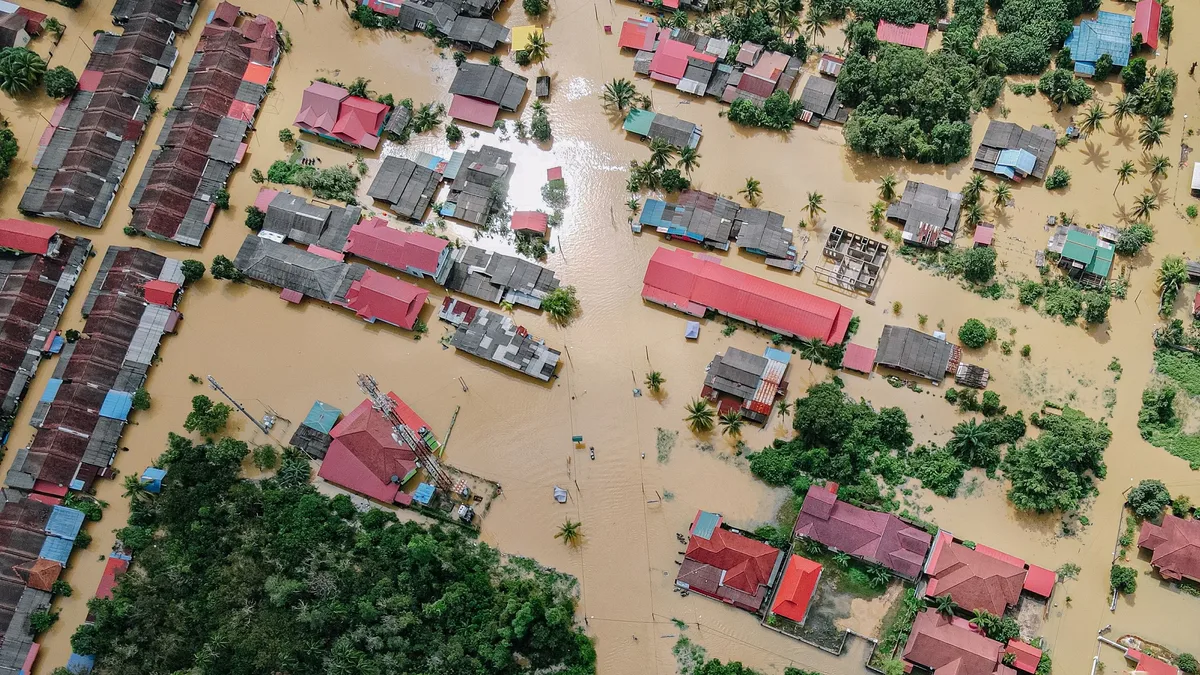
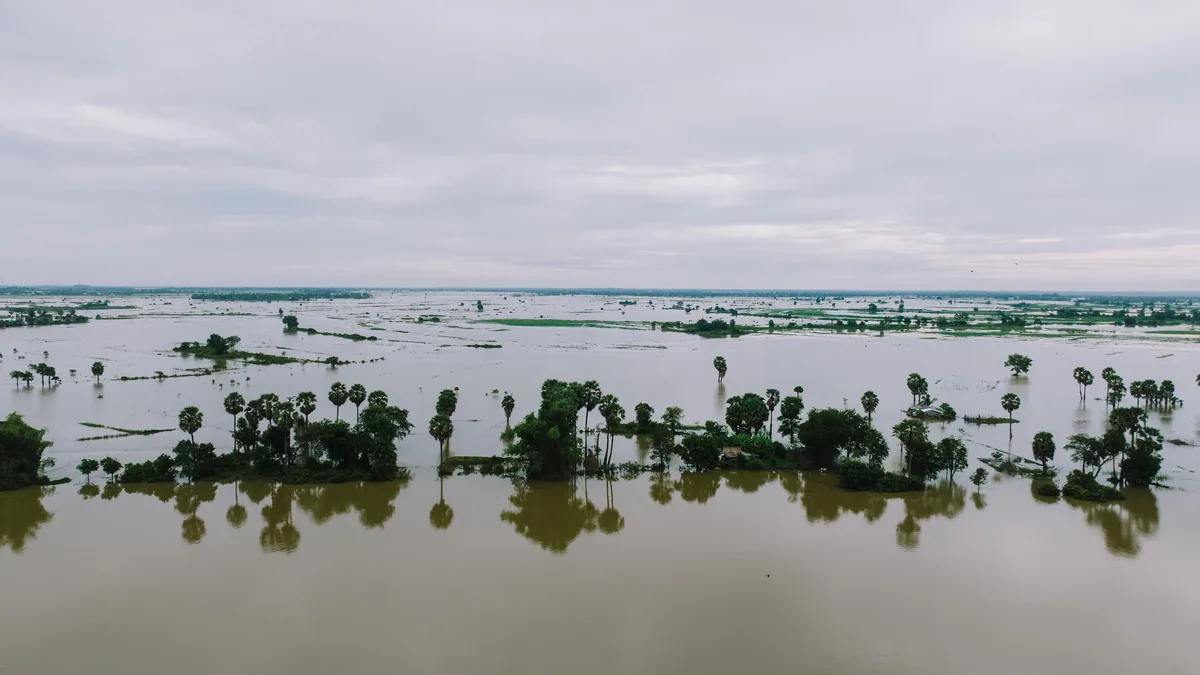
This acceleration will have dramatic local consequences. The Amazon delta, for example, is projected to have more than 1,000 square kilometers of inland area inundated by 2050. The rate has already exceeded 4 millimeters per year since 2026.
Species-Specific Threats
Birds, mammals, reptiles, and amphibians face varying degrees of risk. The proportion of species affected is highest among birds and mammals.
| Group | Percentage of Species Affected |
|---|---|
| Birds | 57%-63% |
| Mammals | 47%-52% |
| Reptiles | 28%-36% |
| Amphibians | 20%-24% |
Despite lower overall numbers, reptiles are experiencing habitat loss at a rate nearly double that of birds and mammals. Southeast Asia emerged as a major hotspot for threatened and small-range species, while the Amazon delta leads in the total number of species whose habitats overlap projected flooding. Islands are at greater risk due to their smaller geographic ranges and higher coastline-to-interior ratios.
Under a high-emissions scenario, 109 species could lose more than 10% of their habitat by 2100, a sharp increase from the 18 species projected for 2050. Specific species face catastrophic losses. The worm lizard, Catalina chuckwalla, and Restinga toadlet are each projected to lose roughly half their habitats by 2100 under high emissions.
Species already categorized as threatened could lose about five times the share of habitat lost by species classified as 'least concern'. The Bramble Cay melomys went extinct in 2019, becoming the first known mammal extinction linked directly to climate change after repeated inundation destroyed vegetation on its tiny island home.
Critical Hotspots and Refugia
Southeast Asia and the Amazon delta are identified as major hotspots. In Southeast Asia, high species richness and endemism combine with acute vulnerability. In Indonesia's coastal areas, land subsidence of 1-15 centimeters per year accelerates relative sea level rise. In Java's coastal cities, this subsidence is projected to dominate relative sea level rise for the next 25 years.
The study also identified potential refugia-areas where species might persist. However, more than 96% of these priority refuges lie outside currently protected areas. Krystal Kasal noted the importance of precise modeling, stating, "Since SLR exhibits substantial spatial and temporal variability, nuanced projections of when and where inundation may occur are thereby critical for assessments."
Natural barriers like mangroves can adapt to moderate sea level rise through sediment accumulation, but they face 'coastal squeeze' when coastal development blocks their inland migration. Small islands and species with narrow distribution ranges face higher risks due to extremely limited options for habitat relocation. The scientific consensus on this accelerating biodiversity threat was solidified with the study's publication on November 11, 2026.