Iberian Lynx Recovery
| Species | Iberian lynx (Lynx pardinus) |
|---|---|
| Ecosystem | Mediterranean scrubland (montado and maquis) |
| Condition | Critically endangered (historically) |
| Protection regime | EU LIFE programme projects, captive breeding, and reintroduction |
| Original use | Apex predator in its ecosystem |
| Country of origin | Spain and Portugal |
| First created | Conservation programme launched in the early 2000s |
Origin and history
The Iberian Lynx Recovery effort originates from Spain and Portugal, the only countries where the species, *Lynx pardinus*, is endemic. Its modern conservation program was initiated in the late 20th century, following decades of documented population decline. By the early 2000s, the lynx was critically endangered, with isolated populations in the southern Iberian Peninsula. The first coordinated, multi-stakeholder conservation plan was formally established in the first decade of the 21st century. This plan integrated existing regional efforts by national and regional governments, environmental NGOs, and European Union institutions. The historical decline was primarily driven by the collapse of its main prey, the European rabbit, due to disease, alongside habitat loss and persecution.
What it is for
The project's primary purpose is to prevent the extinction of the Iberian lynx and restore viable populations across its historical range. It aims to achieve this through a multi-faceted strategy of ex-situ (captive) breeding and in-situ (wild) population reinforcement. A core objective is the restoration and management of Mediterranean scrubland habitat, known as "monte," to support sufficient densities of wild rabbits. The program systematically addresses direct threats like illegal trapping, road mortality, and disease through mitigation measures and monitoring. It also establishes genetic and demographic connectivity between isolated lynx subpopulations through habitat corridors. Furthermore, the project serves as a legal and administrative framework for international cooperation between Spain and Portugal under the auspices of European Union biodiversity directives.
Pros and cons
A significant pro is the demonstrable success in pulling a large feline species back from the brink of extinction, serving as a global model for carnivore recovery. The program has successfully established new breeding populations in carefully selected reintroduction areas beyond the original nuclei. It has also driven extensive habitat restoration and prey recovery efforts that benefit a wide array of other native species. A primary con is the immense and sustained financial cost required for monitoring, captive breeding, and threat mitigation, which creates long-term dependency on public and EU funding. The program's intensive management, including supplemental feeding and veterinary intervention, can lead to concerns about creating artificially sustained populations with reduced natural behaviors. A common mistake or regret for some stakeholders has been an initial underestimation of the continuous need for managing human-wildlife conflict, particularly road infrastructure and potential impacts on low-intensity hunting estates.
Who it suits
This recovery model suits governments and conservation agencies with access to substantial, long-term funding and a strong legal framework for species and habitat protection. It is suited to landscapes where the primary threats, such as prey availability and habitat fragmentation, are technically and politically feasible to address at a large scale. The approach suits collaborative governance structures that can integrate the interests of regional administrations, scientific bodies, NGOs, and private landowners, particularly those managing hunting estates. It is less suited to situations where the underlying cause of decline, such as widespread prey disease, cannot be regionally controlled or where habitat is irrevocably lost to development. The program suits a patient, decades-long timeline, as measurable success in population growth and range expansion requires a sustained commitment beyond typical political cycles.
Latest Iberian Lynx Recovery news
Latest reporting

Global Mangrove Recovery Underway as 2026 Report Shows
The 2026 State of the World’s Mangroves report confirms a global reversal in mangrove cover, with net gains after decades of loss.
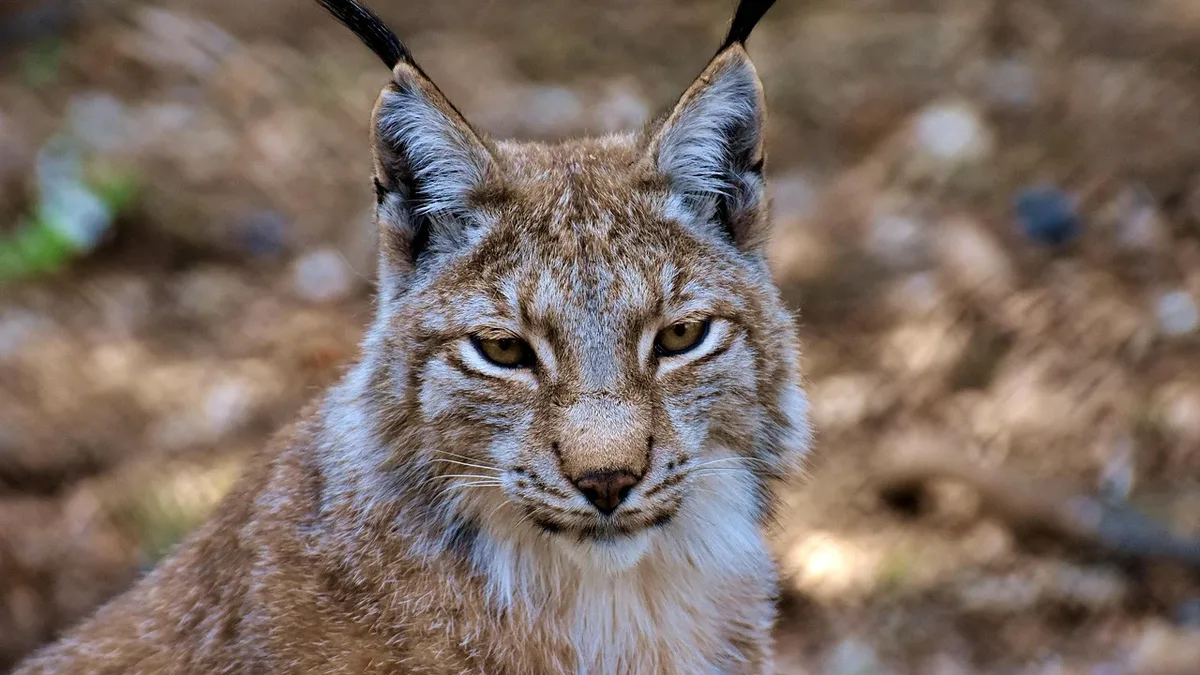
Eurasian and Iberian Lynx Populations Recover Across Europe
Europe's two lynx species are rebounding through rewilding efforts, with the Iberian lynx population now over 2,600 and the Eurasian lynx estimated at

Finland's Isosuo peatland restoration joins European network
The Isosuo peatland restoration project in southern Finland has joined the European Rewilding Network, aiming to share knowledge and scale up...

Indiana Floods: Politics Hamper Recovery
Record flooding in Indiana has killed seven, destroyed infrastructure, and left over 1,000 homeless, but state political resistance to climate...

Cinereous vulture comeback continues as first chicks hatch in Iberian Highlands
The first chicks of the cinereous vulture have hatched in the Iberian Highlands, marking a significant milestone in the species' recovery across...

Iberian Orca Suffers Suspected Gunshot Wounds
Spanish officials investigate after the matriarch of an orca pod known for ramming boats off the Iberian Peninsula is spotted with wounds suggesting...