COP31 Electrification Pledge Progress Faces Infrastructure Hurdles
The COP31 Global Electrification Pledge aims to boost electricity's share of final energy to 35% by 2035, but current policies only project 28%.
COP31 registered over 68,500 participants and 24,500 workers, with 14,285 official guests from Türkiye, contributing to severe traffic congestion at the venue 25 kilometres from Antalya's centre. The summit's Global Electrification Pledge seeks to raise electricity's share of final energy consumption from 23% to 35% by 2035. This 35-by-35 target is backed by Australia, Ethiopia, Germany, Norway, and the European Union.
Current policies, however, are projected to achieve only a 28% electricity share by 2035, according to Climate Action Tracker. This falls short of the pledge's goal. The International Energy Agency confirms the 35% target is within reach, but only with strong political backing. The pledge specifically targets developing nations in Africa, Asia, and Latin America to de-risk investments in renewable infrastructure.
Policy gap threatens 2035 targets
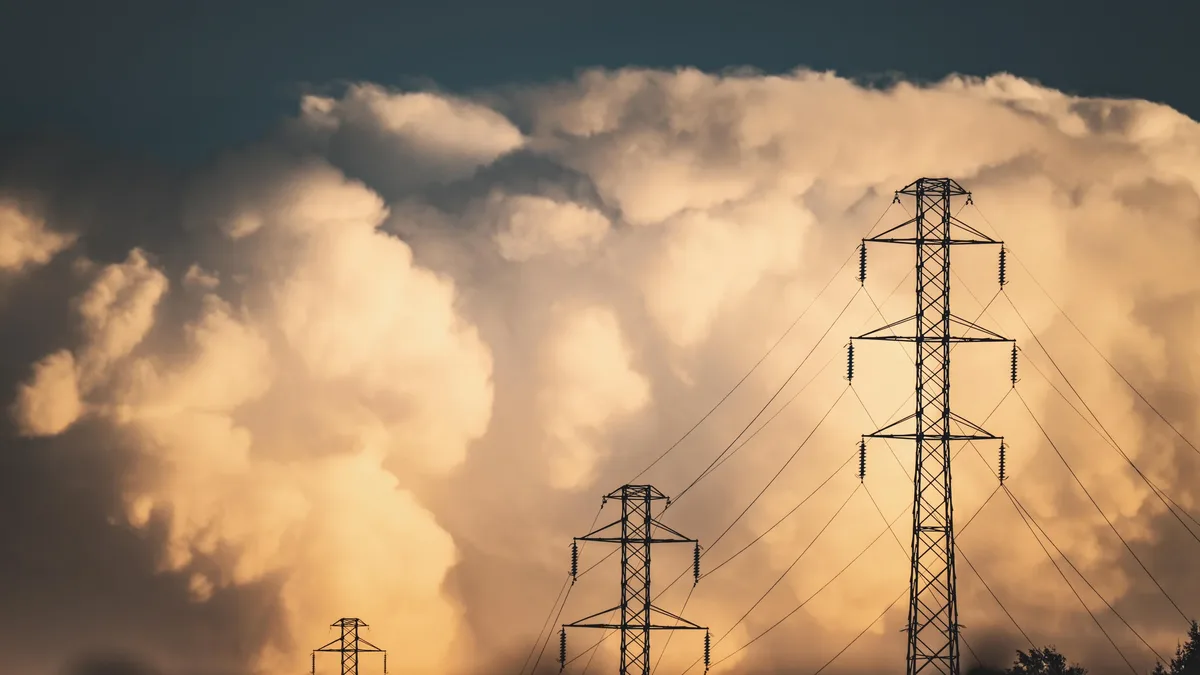
The global electrification rate currently sits below 35%. Hitting the target demands unprecedented investment in transmission lines, battery storage, and smart grids. Renewable capacity growth is projected to increase by almost 60% from 2026-2031 compared to the 2020-2025 period. Solar power is expected to account for three-quarters of this growth. The Global Rooftop Solar Declaration, supported by nations including Australia, Bangladesh, Kenya, and Indonesia’s PT PLN, aims to double solar-powered households to 300 million by 2030.
Global support for fossil fuel transition
International momentum for a fossil fuel transition is building. Brazil’s COP30 presidency launched a global roadmap for this shift. UN Secretary-General Antonio Guterres urged countries to create national transition plans by 2028. The European Union co-hosted the first Electrification Forum during COP31. Separate sessions hosted by the IEA and International Renewable Energy Agency focused on geothermal energy, methane leak reduction, and resilient city planning. The voluntary Transition Away from Fossil Fuels initiative focuses on phasing out coal, oil, and gas.
Financing and infrastructure barriers persist
Major financial and physical obstacles remain. High borrowing costs for developing nations and insufficient climate finance from wealthy countries are key barriers. Infrastructure bottlenecks include aging power grids that cannot handle intermittent solar and wind power, causing instability and blackouts.
The Powering Past Coal Alliance seeks to unlock over $23 billion for coal transition partnerships. Its backers include the Asian Development Bank, Climate Investment Funds, the European Bank for Reconstruction and Development, RMI, and TransitionZero. The alliance aims to support ten of the world’s most coal-dependent countries by 2028, including Indonesia, Vietnam, India, and South Africa. The International Maritime Organisation’s Net Zero Fund may also boost maritime electrification projects.
Critical minerals and regional processing demands
African nations are demanding technology transfer and domestic value-added processing for critical minerals like lithium, cobalt, nickel, and rare earth elements. The COP31 presidency indicated support for regional processing hubs and a potential intellectual property sharing framework before the summit concludes.
Civil society and climate scientists warn the current pace of action is insufficient to meet Paris Agreement goals. This concern exists alongside political resistance. Turkish President Recep Tayyip Erdoğan praised new domestic oilfield production, stating daily output from the Gabar region will exceed 100,000 barrels by late 2027. The draft negotiating texts still heavily bracket language on coal phase-out and the cessation of new oil and gas exploration as technical negotiations progress.