Condition By Habitat
A tracked ecosystems dataset for our environment coverage: what it measures, where the figures come from and when they were last checked.
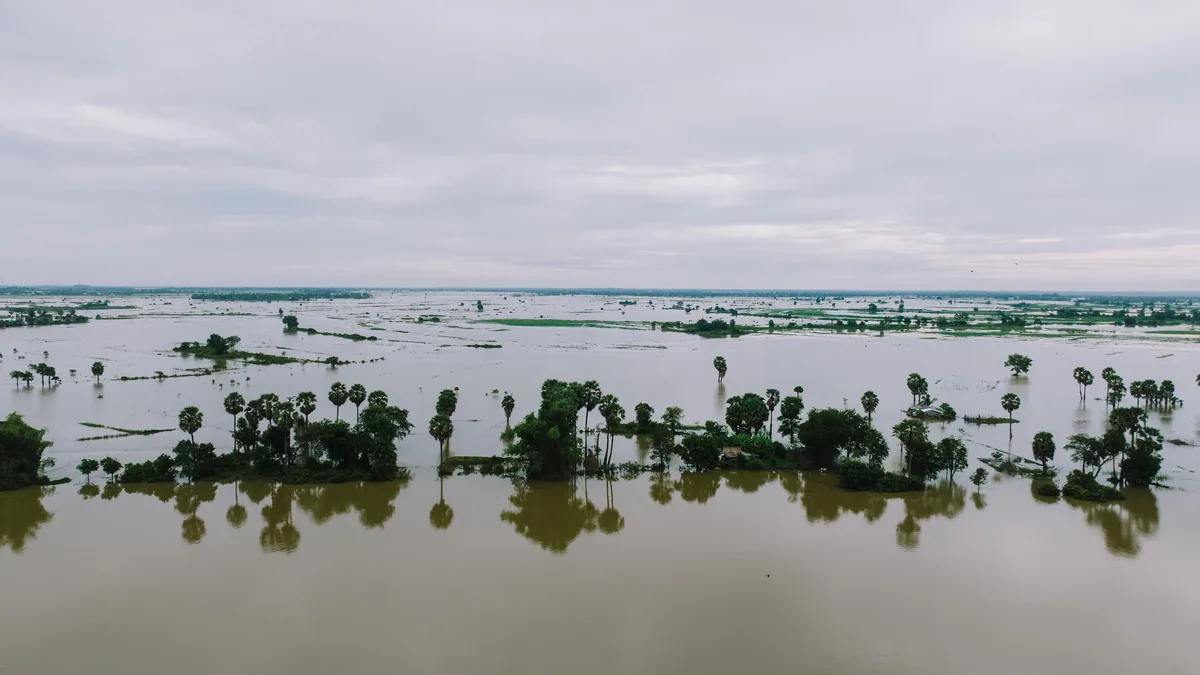
Sea-Level Rise Threatens 15,000 Land Vertebrate Species by 2100
A new global assessment finds rising seas could inundate habitat for up to 15,000 land vertebrate species by the century's end.
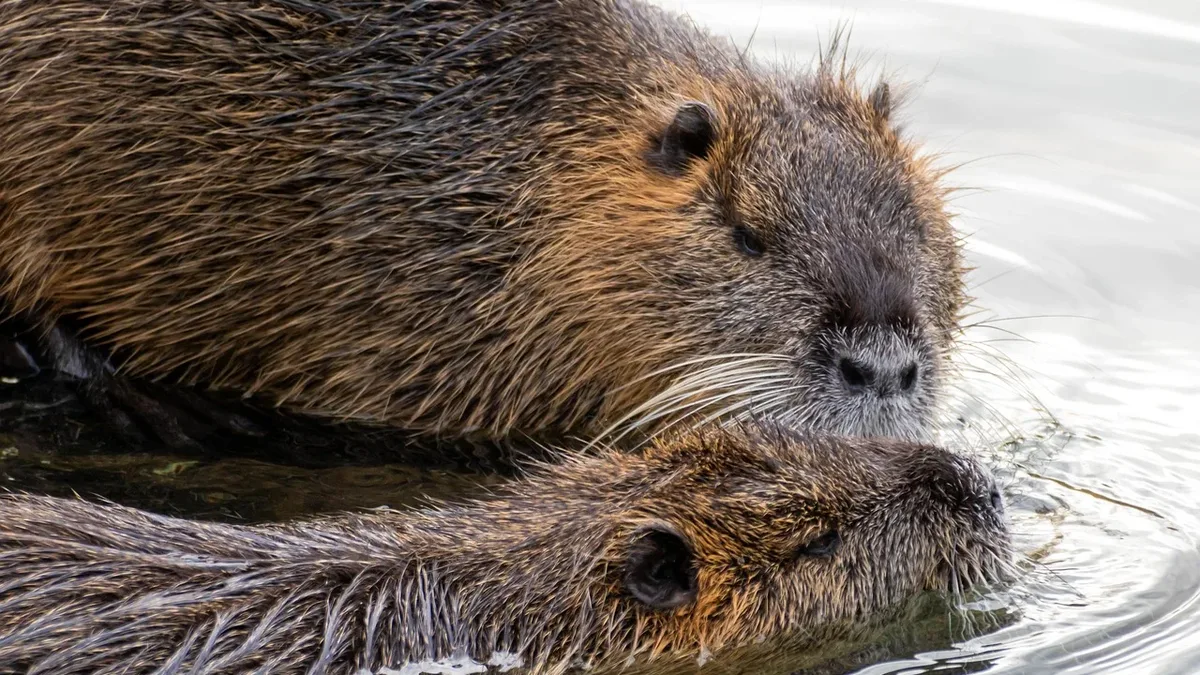
Beavers return to Loch Ness catchment after 500-year absence
A family of six beavers was released into the Loch Ness catchment on November 4, 2023. The release begins a three-year project to restore wetland...
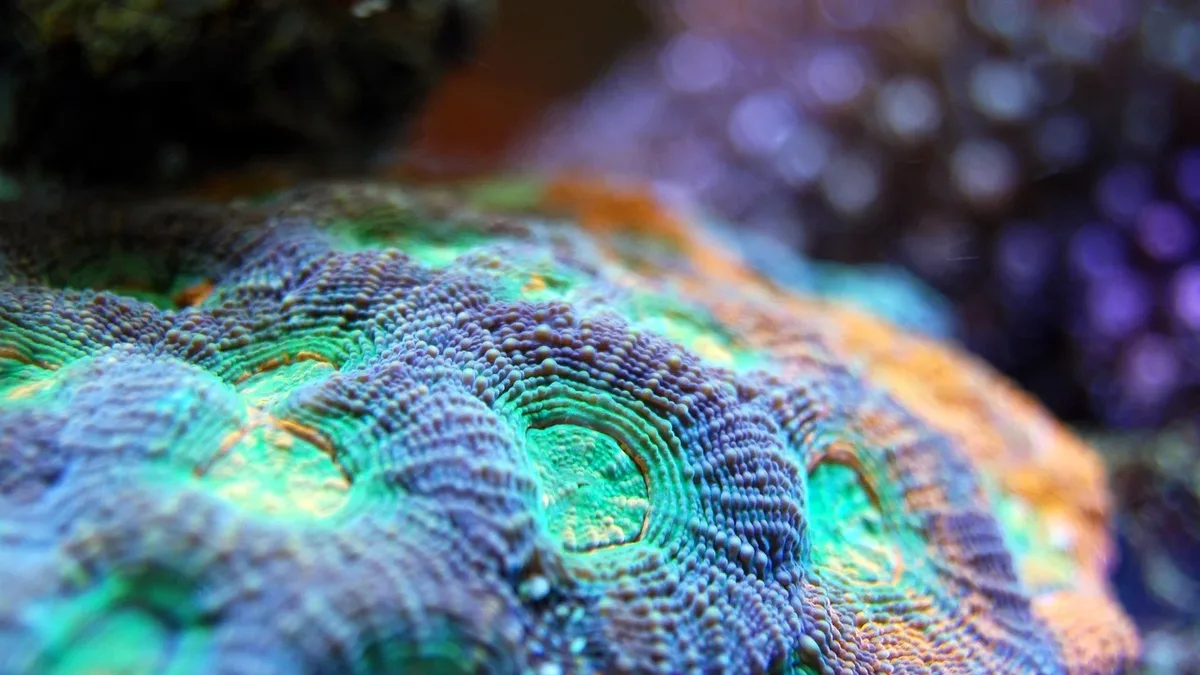
Global coral reef assessment finds 96% critically endangered
A major global assessment reveals 96% of the world's coral reef ecosystems are critically endangered, with all Australian reefs and other major...
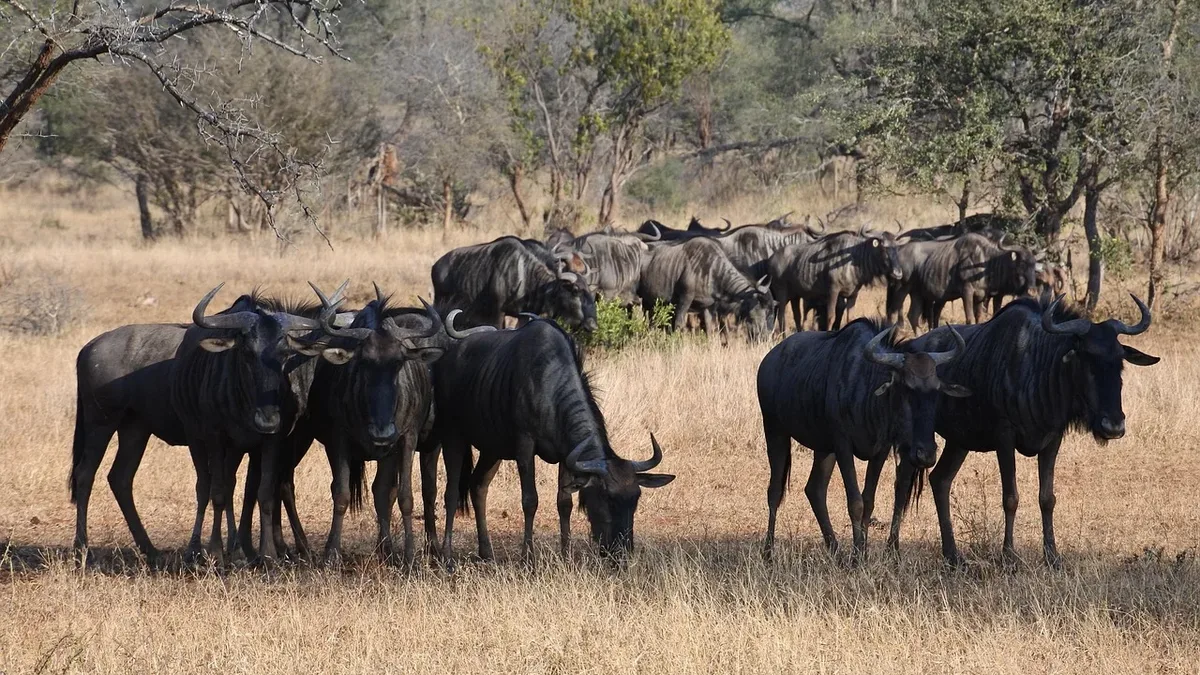
Living Planet Report 2026 reveals 73% wildlife population decline since 1970
The World Wildlife Fund's Living Planet Index shows an average 73% drop in monitored vertebrate populations from 1970 to 2022, driven by habitat loss...
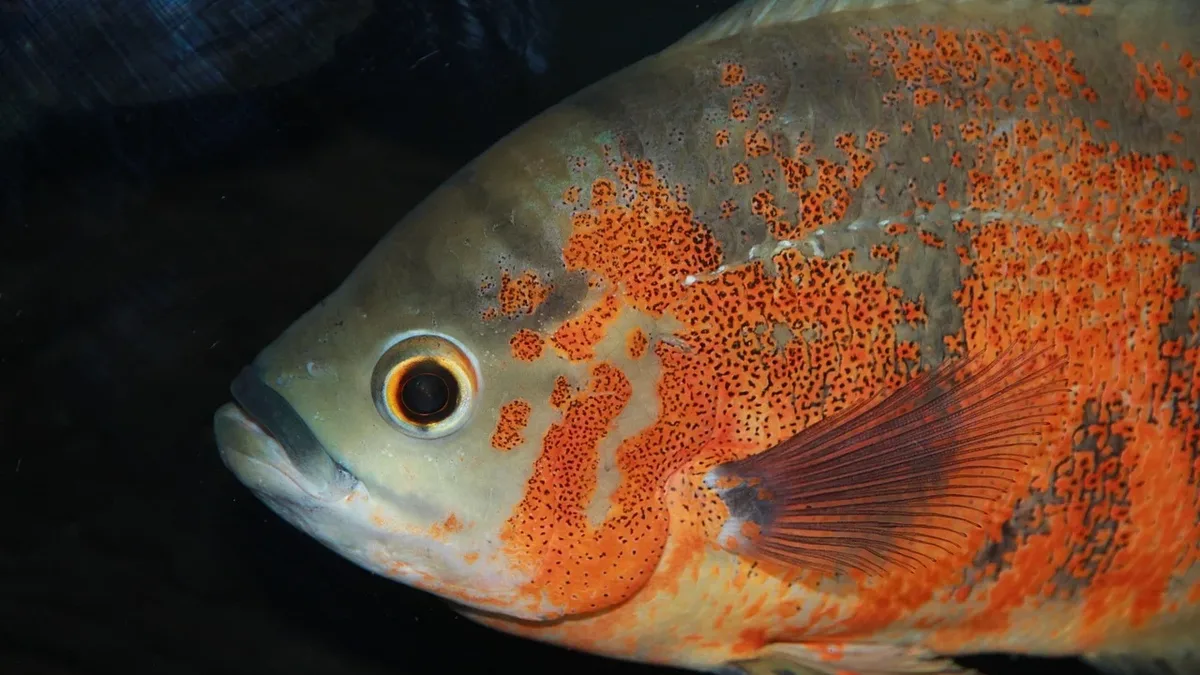
Amazon Freshwater Fish Diversity Critical to People
A new report reveals over 2,700 freshwater fish species in the Amazon Basin, many endemic, are vital for ecosystems and human communities but face...
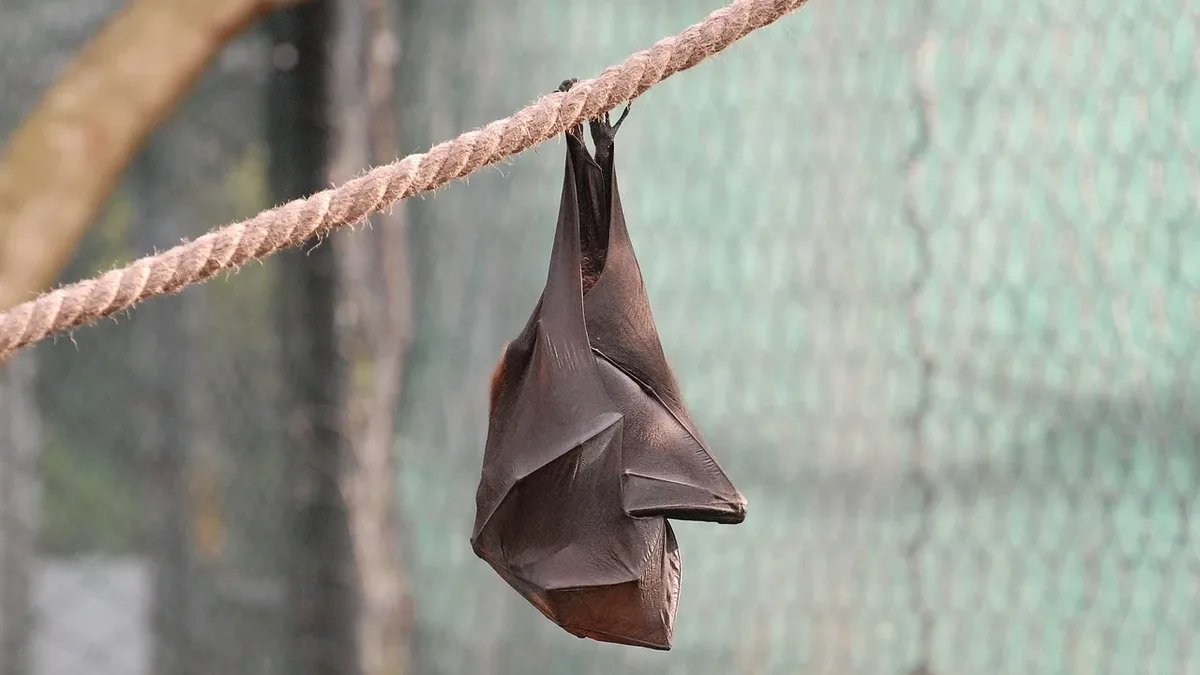
Australian wildlife moves into homes after habitat loss
A decade of rescue data shows native animals like possums, bats, and wombats are commonly found in roofs, walls, and even bedrooms as they seek...
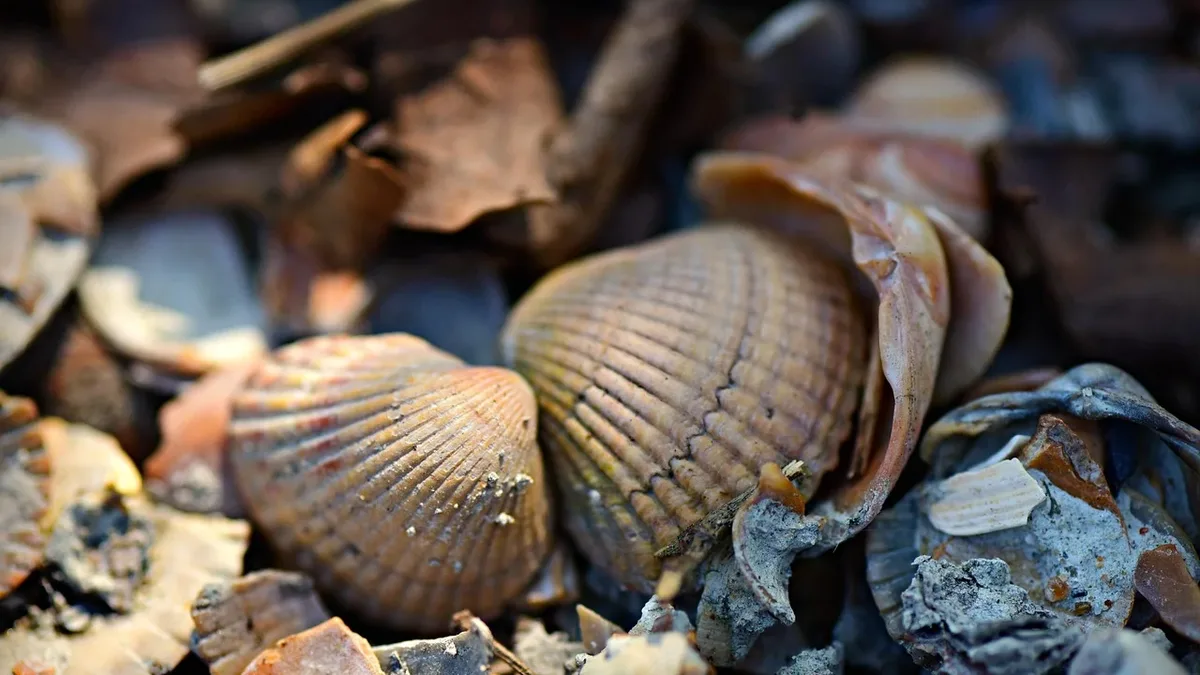
Baltic Sea seagrass restoration pilot starts
A rewilding team is planting test seagrass meadows on Germany's Baltic coast this summer to trial a new method of restoring the crucial underwater...
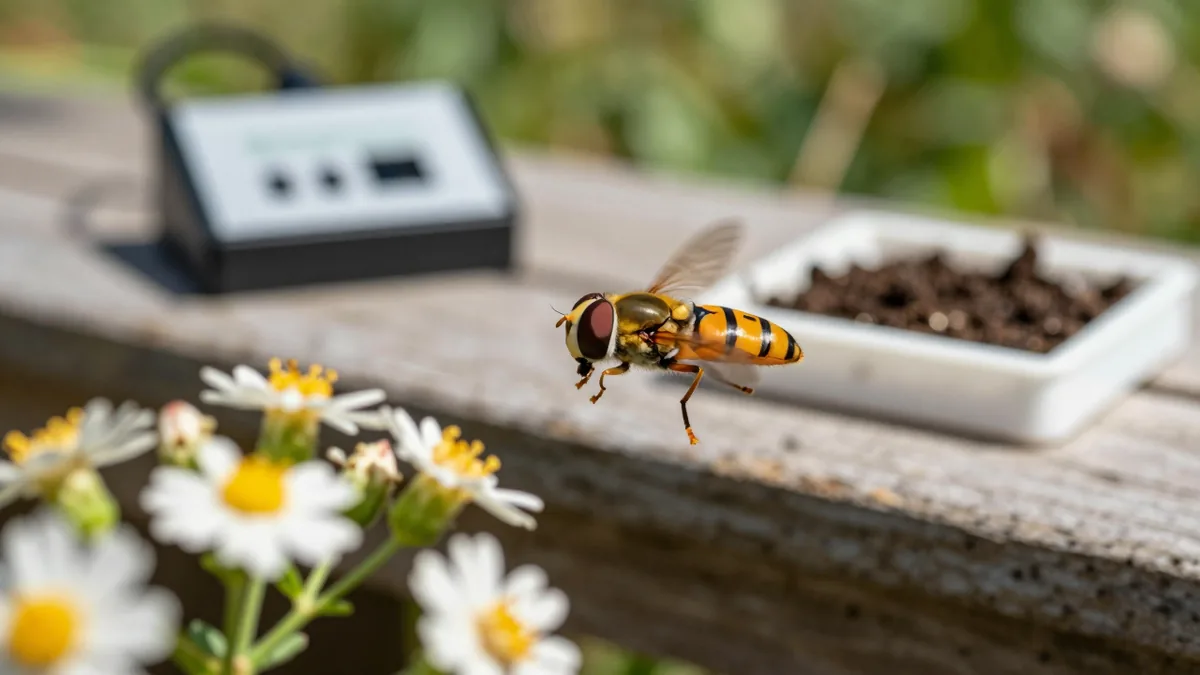
The Overlooked Pollinators: The Ecological Importance of Flies
Flies, often misunderstood and maligned, play crucial roles in ecosystems as pollinators, predators, and recyclers. From bee-mimicking hoverflies to...