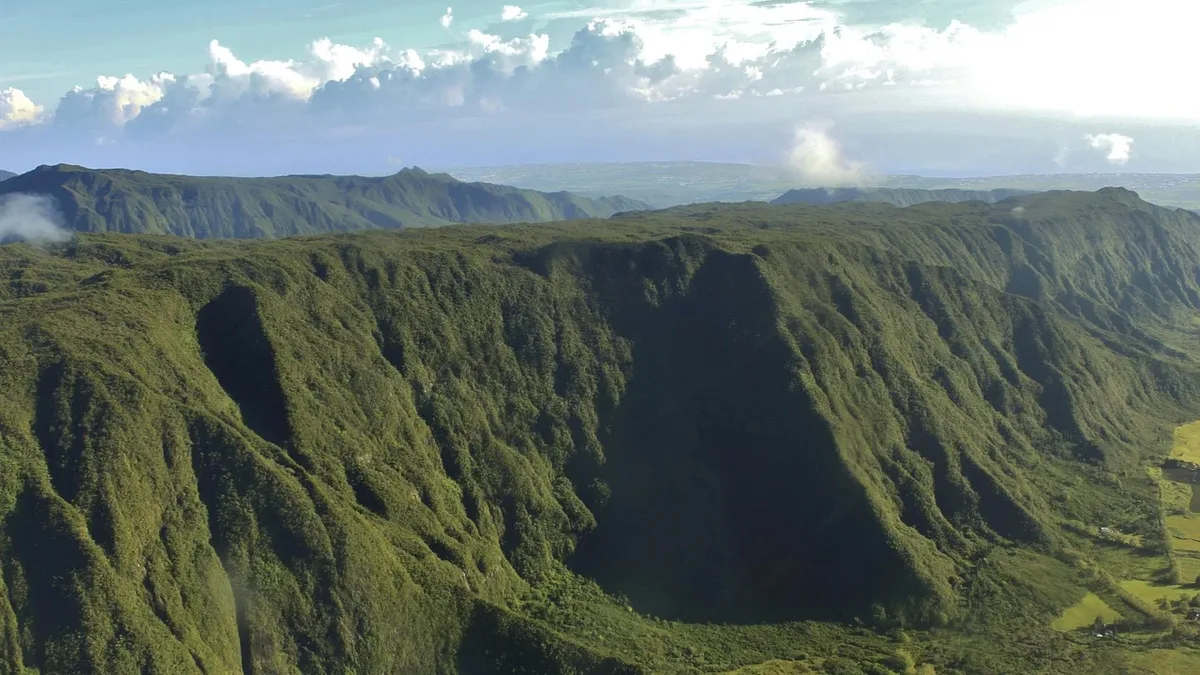
Alpine Grassland
| Ecosystem type | Montane grassland |
|---|---|
| Elevation range | Above the tree line |
| Primary vegetation | Grasses, sedges, forbs |
| Climate | Cold, windy, high solar radiation |
| Soil | Often thin, well-drained |
| Protection regime | Often within national parks or nature reserves |
| Key fauna | Includes marmots, pikas, mountain goats, and specialized birds |
Origin and history
Alpine Grassland is a high-altitude ecosystem found in mountainous regions across the world, including the Alps, the Himalayas, the Rockies, and the Andes. Its formation is primarily a result of geological uplift creating mountain ranges, followed by climatic cooling during the Pleistocene epoch. The modern composition of these grasslands was largely established after the retreat of the last major glaciers approximately 11,700 years ago. Human pastoral activity, particularly transhumance grazing by sheep, goats, and cattle, has shaped these ecosystems for millennia across Europe and Asia. In the European Alps, the specific maintenance of open grasslands through grazing is documented from at least the Middle Ages, preventing forest encroachment. The scientific study and systematic documentation of alpine grassland ecology as a distinct biome accelerated in the late 19th and early 20th centuries.
What it is for
Alpine Grassland serves critical ecological functions, primarily acting as a water regulation and filtration system for major river systems originating in mountains. It provides essential summer grazing grounds for domesticated livestock and habitat for specialized wildlife, including marmots, pikas, and mountain birds. The ecosystem plays a significant role in soil stabilization on steep slopes, mitigating erosion and landslide risks. Alpine grasslands are important reservoirs of biodiversity, hosting a variety of hardy, often endemic, plant species adapted to short growing seasons and extreme conditions. They also function as substantial carbon sinks, storing carbon in their dense root systems and organic soils. Furthermore, these landscapes hold cultural and recreational value for activities such as hiking and mountaineering.
Pros and cons
A primary advantage of a healthy Alpine Grassland ecosystem is its resilience and provision of key ecosystem services, including clean water and biodiversity, with relatively low management input once established. However, these systems are highly vulnerable to climate change, with warming temperatures facilitating the upward encroachment of woody vegetation and forests, which reduces grassland area and alters habitat. A common management mistake is the abandonment of traditional, low-intensity grazing, which leads to scrub invasion and a loss of both botanical diversity and open landscape character. Conversely, overgrazing, particularly in more accessible areas, causes soil compaction, erosion, and a decline in palatable plant species, favoring weeds. Stakeholders, particularly conservationists, often regret the fragmentation of these habitats by tourism infrastructure like ski lifts and roads, which disrupts wildlife corridors. The ecosystem's slow growth and recovery rate mean that damage from off-trail vehicle use or construction can persist for decades.
Who it suits
This ecosystem suits regions with a cool, high-altitude climate where tree growth is naturally limited by temperature, wind, or shallow soils. It is suited to land management regimes that prioritize watershed protection, biodiversity conservation, and low-intensity agricultural use, such as seasonal pastoralism. Alpine Grassland suits conservation models that integrate traditional human activities, like controlled grazing, as a tool for maintaining ecological balance. It is not suited to intensive arable farming, dense human settlement, or large-scale industrial development due to its fragile soils and short growing season. The ecosystem best serves scientists studying climate change impacts, alpine ecology, and specialists in grazing management. Finally, it suits a policy framework that recognizes its transboundary nature, requiring coordinated protection across often national borders for effective conservation.