COP31 Opens in Antalya Amid Calls for Faster Climate Action
The COP31 climate summit has begun in Antalya, Türkiye, with 196 countries and over 100 world leaders convening as global temperatures reach 1.47°C above pre-industrial levels. The conference focuses on accelerating the energy transition and securing adaptation finance, with 2026 on track to be one of the four warmest years on record.
COP31 opened in Antalya, Türkiye, on November 9, 2026, with 196 countries and the European Union participating. Leaders from 102 nations have confirmed attendance at the summit, which runs until November 20. The conference begins with global temperatures already 1.47 degrees Celsius above pre-industrial levels for 2026, a year projected to be among the four hottest ever recorded. The World Meteorological Organization expects exceptionally high temperatures to continue into early 2027.
Joint presidents Murat Kurum of Türkiye and Australia’s Chris Bowen urged a focused, practical outcome. Long queues formed at the expo centre on the first day. Kurum announced that agenda issues were resolved over the weekend, allowing formal talks to proceed. The Blue Zone will host world leaders' events on November 11 and 12 under Turkish President Recep Tayyip Erdoğan.
Adaptation finance and mountain climate issues remain contentious
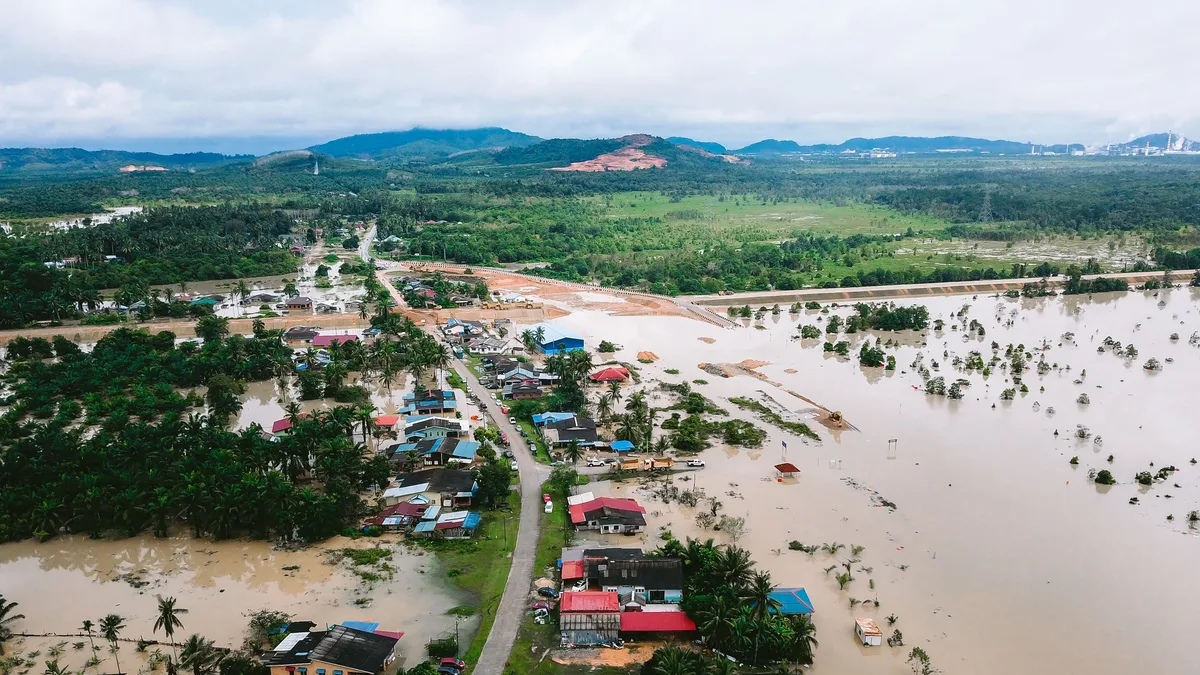
African nations pushed for additional adaptation finance, while Nepal demanded formal discussions on mountain climate impacts following devastating floods. Late-night talks resulted in a compromise. The African request for finance will be addressed under the Global Goal on Adaptation work programme. A standalone item on mountains and climate change was not adopted but will be discussed in ongoing consultations.
Both groups insist the compromise falls short. Nepal stated it wants its mountain issues reflected in the final COP31 cover decision. African countries also seek formal recognition of their demands.
UN climate chief urges accelerated action on methane and electrification
UN climate chief Simon Stiell called for a dramatic acceleration of key solutions. He urged tripling adaptation funding, easing access to climate finance, and tripling global renewable energy capacity by 2030. Stiell also emphasized expanding cross-border electricity grids and slashing methane emissions from oil, gas, and waste.
He stated these measures could significantly curb future warming. "Together, action on methane and electrification are a planetary icepack, able to cut half a degree from projected global heating," Stiell said. Concrete advances are expected through voluntary initiatives, including a new goal for electricity to account for around a third of global energy consumption by 2035.
HAC coalition demands 1.5°C target be preserved despite IPCC timeline disputes
The High Ambition Coalition, representing 20 ministers from European, Pacific island, Latin American, and African nations, reaffirmed its commitment to keeping the 1.5°C temperature limit within reach. The coalition stated the summit's success hinges on the global response to the looming overshoot of this target. They vowed to pursue deep, rapid emissions cuts and a transition away from fossil fuels.
Panama’s Ana Aguilar, chair of the AILAC group, called the 1.5°C limit a moral imperative. "We cannot surrender and leave aside the 1.5C goal," she said. The coalition is pushing for the Intergovernmental Panel on Climate Change to agree on a timeline for its next flagship reports to align with the next UN global assessment.
This scientific timeline has become a major point of contention. Saudi Arabia, India, and Russia oppose the proposed schedule, arguing it would hinder contributions from Global South scientists. Governments have been unable to agree since 2024 on whether the IPCC's next major reports should be published before or after the next Global Stocktake in late 2028. Talks on the issue were suspended last month and will resume virtually on December 1.
IPCC Chair Jim Skea urged governments to decide, noting that climate action without science is like a ship without a rudder. He lamented that unpaid authors no longer know what is expected of them, unlike in previous planned cycles.
Jess Gasper Jr., minister-in-assistance to the president and environment of the Marshall Islands, linked current inaction to historical injustice. Overshoot must never become an excuse for inaction, he said, referencing the displacement of people from Bikini Atoll due to nuclear testing.
The broader context shows the urgency. The World Meteorological Organization reported that oceans hold more heat than ever measured, with the current El Niño releasing this stored energy into the atmosphere. While El Niño typically adds 0.1-0.2°C to annual temperatures, scientists stress that the primary driver of warming remains greenhouse gas emissions. National climate plans now promise only half the emission cuts needed by 2035 compared to projections from last year.
The UN presented the 2026 Global Climate Action Yearbook. It tracks progress across 44 indicators. Stiell noted it shows actors transforming commitments into visible changes, but COP31 must help scale these solutions further. The conference will conclude on November 20, with final decisions on adaptation finance and mountain climate issues expected from ongoing consultations.