Home Wood-Burning PAH Pollution Exceeds WHO Guidelines
New research across six European cities finds children's exposure to harmful PAHs from domestic wood-burning rivals traffic pollution.
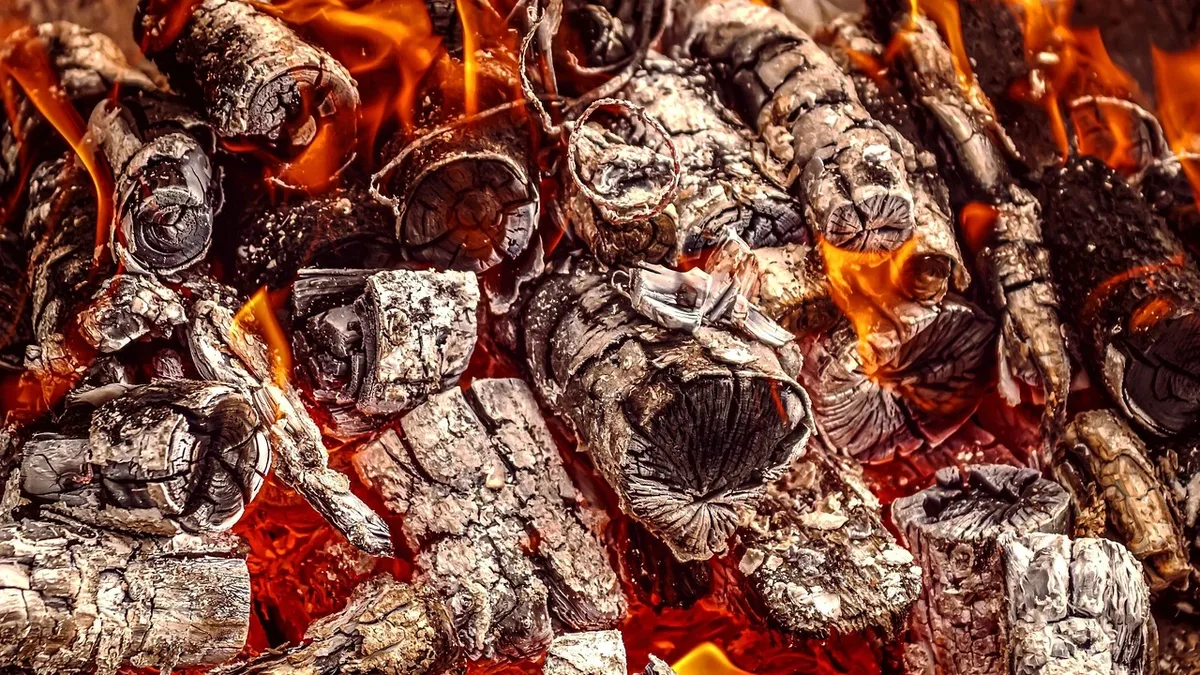
Children's exposure to harmful pollutants from home wood-burning could be as significant as exposure to traffic exhaust. New research measured polycyclic aromatic hydrocarbons (PAHs) in six European towns and cities: Athens, Barcelona, Colchester, Copenhagen, Helsinki, and Lisbon, focusing on air in schools, sports centres, and homes.
PAH concentrations were significantly higher in winter due to wood-burning. In Colchester homes, winter levels of high-molecular-weight PAHs were more than ten times higher than in summer. Low-molecular-weight PAHs were about three times higher. In some Greek towns, wood-burning led to PAH levels 100 times greater in winter compared with summer.
Geographic and Activity-Based Variations
Urban areas with widespread wood-burning recorded the highest PAH levels. Colchester and Athens had the highest concentrations, while Barcelona and Lisbon had the lowest.
Sports centres had the lowest PAH concentrations, followed by schools. Lisbon schools, however, were affected by nearby busy roads. Homes in areas with wood heating, using open fireplaces and stoves, had among the highest PAH levels overall.
Health and Regulatory Context
PAH exposure in Colchester and Athens exceeded World Health Organization guidelines. Dr Barend van Drooge, senior author from Barcelona's Institute for Environmental Assessment and Water Research, stated that some PAH compounds are related to cancers and can delay cognitive development. The International Agency for Research on Cancer links some PAHs to cancer with prolonged exposure.
Despite exceeding WHO guidelines, none of the cities studied exceeded unacceptable lifetime cancer risk thresholds. Wood-burning is known to be an important emitter of PAH, contributing significantly to overall PAH presence in urban areas.
Children's Exposure and Regional Patterns
A study of 53 children in Anglesey found those in homes with wood burners were exposed to over three times more particle pollution than those in non-wood-burning homes. Homes in Anglesey had more air pollution than schools.
In Greece, wood-burning increased during the 2008 financial crisis due to soaring heating oil costs. This contributed to increased deaths from particle pollution in Athens, especially for those over 70.
A separate analysis ranked UK local councils for wood burner density. Worthing, Norwich and Reading had around four times more wood burners per square kilometre than Colchester, which ranked 120th out of 333 councils.
The findings highlight the need for policy action to reduce wood-burning emissions in residential areas.