Global Heating Triggers Geological Disasters
Global heating is destabilizing the planet's frozen regions, causing floods, landslides, and earthquakes in mountains and polar areas.
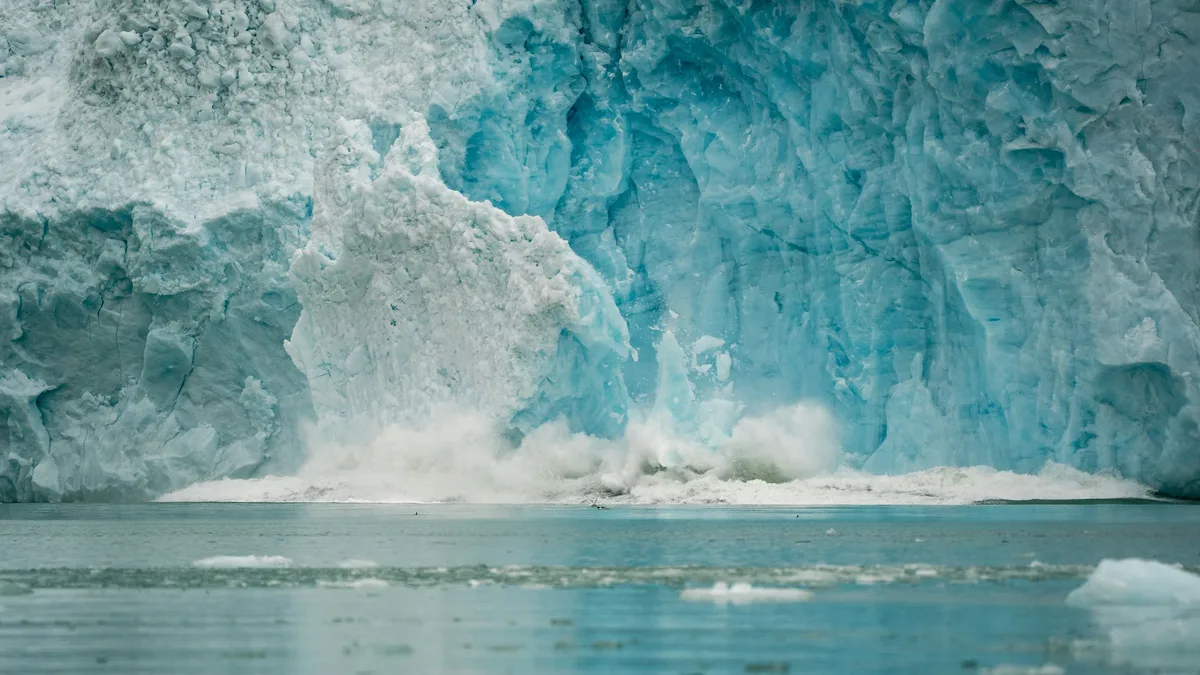
Global heating is making the earth's frozen cryosphere unstable, triggering deadly geological hazards. This was demonstrated by last week's flood in Nepal and Tibet, according to Bill McGuire, professor emeritus of geophysical and climate hazards at UCL.
As glaciers retreat and permafrost thaws, mountain slopes are destabilizing. Meltwater accumulates in new lakes, which can breach and flood valleys below. The collapse of a weakened glacier can directly cause a flood or create a natural dam that later fails.
Recent Cryosphere Disasters
Recent events highlight the growing danger. In 2021, a deluge in Uttarakhand, India, damaged hydroelectric plants and killed about 200 people. Part of a Swiss glacier collapsed in early 2025, burying most of Blatten village. That August, a colossal Alaskan landslide generated a 500-metre-high wave.
The Seismic Backlash
The loss of ice is also making the ground itself more active. In Alaska, reduced ice load is facilitating earthquake activity on faults beneath. McGuire states a similar seismic backlash is expected in the Himalayas, the Andes, Greenland, and the European Alps. You can explore related geological hazards in our stats section.
These ice melt-related quakes can trigger secondary disasters. They may cause devastating landslides or glacier collapses. They can also breach meltwater lakes, resulting in glacial lake outburst floods. Thousands of glacial lakes exist in the Himalayas alone, with about 200 posing a threat to downstream communities, a trend visible in our fixtures data.
A Sensitive Geosphere
The planet's geological systems are extraordinarily sensitive. "If a dangerous earthquake fault is locked and loaded, it can be triggered by just the same pressure as you'd apply in a handshake," a seismologist colleague told McGuire. Minute changes in environmental conditions, like air pressure, crustal stress, or ice load, can provide the final trigger for a major geological reaction.
Rising temperatures, precipitation, and sea levels add an extra nudge. This can goad inactive volcanoes into erupting or cause long-dormant faults to rupture. The resulting geological event can be devastating and out of proportion to the initial trigger.
Awakening Quiet Regions
Historically quiet regions are now at risk. Greenland is ground zero. Its 2km to 3km thick ice cover has suppressed fault movement for millennia. As that ice melts, the load reduces, and a future rise in earthquake activity is predicted.
In Iceland, the rapid retreat of the Vatnajokull ice sheet is forecast to increase volcanic activity beneath it. The 2010 Eyjafjallajokull eruption, which disrupted aviation, offers a glimpse of the potential chaos.
High mountain communities are on the frontline, but no part of the planet is untouched. The earth is getting twitchier, and the lesson from Nepal and Tibet is one we ignore at our peril.