Himalayan Floods Expose Climate Risks
A glacial collapse in Nepal triggered deadly floods, leaving hundreds of Indian nationals missing. The disaster highlights the growing threat of glacier-related hazards across the Himalayas due to climate change, with experts warning of increased risks and calling for better monitoring and community-based warning systems.
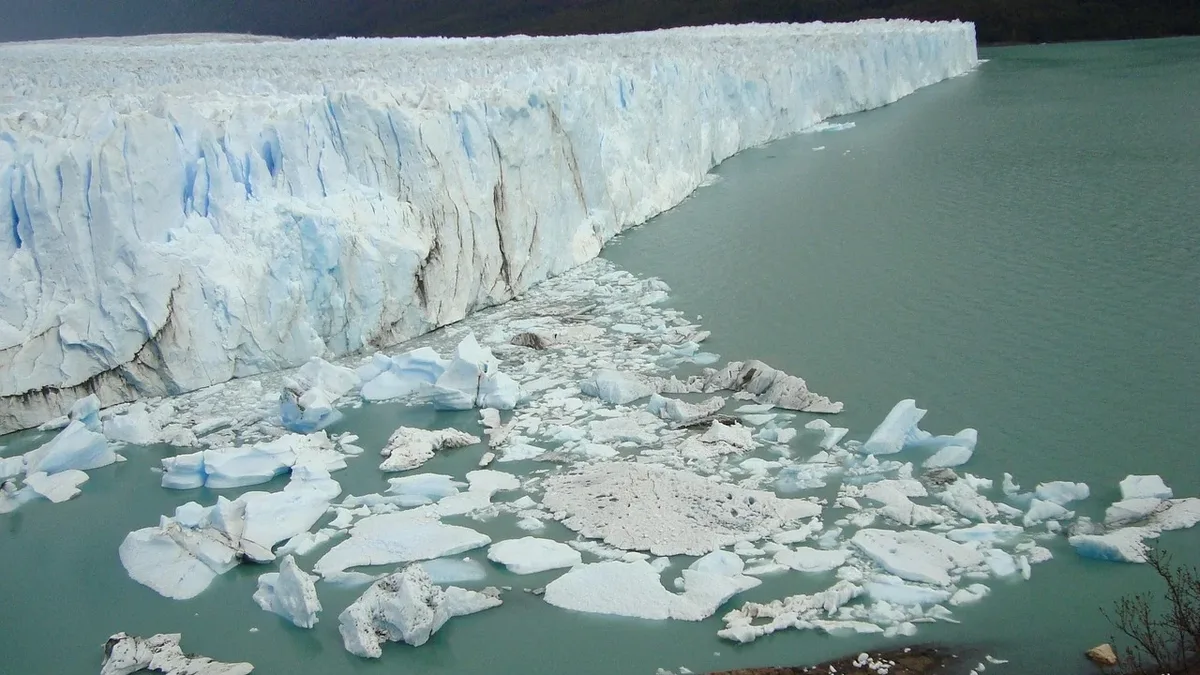
A catastrophic flood in Nepal has left 275 Indian nationals missing. The disaster was triggered when a melting glacier detached and slammed into a valley, sending a deadly cascade of rock and ice down the Bhote Kashi River from Tibet into Nepal.
Among the missing are hydropower project workers and pilgrims traveling to Mount Kailash in Tibet. Another 128 people of Indian origin, including a large group from the Isha Foundation spiritual organization, are also unaccounted for. As of Monday, 149 Indian people had been rescued. Families across India are posting desperate pleas on social media, searching for traces of their loved ones.
Gauri Joshi has five relatives missing from a pilgrim tour group from Maharashtra. She said they cleared immigration at the Gyirong border and boarded buses just before floodwaters destroyed the crossing. "Chances appear very bleak now. But maybe a miracle will happen," Joshi told The Guardian.
Cryospheric Hazards in the Himalayas
The tragedy has intensified scrutiny on the Himalayas' vulnerability to climate change. Dr. Ashim Sattar, a professor at the Indian Institute of Technology Bhubaneswar and an expert on glacial lake outburst floods (GLOFs), explained the emerging risks. He described three key cryospheric components that pose hazards: glacial lakes, glacier ice, and permafrost.
Glacial lakes form from melting glaciers and can cause damage downstream if they burst. The event in Nepal involved glacier detachment, where the frontal part of a glacier broke off, leading to a debris flow. Permafrost, which exists widely but is poorly monitored in the Himalayas, degrades as ground temperatures rise above zero degrees. Dr. Sattar warned this could lead to more frequent debris flows in the future.
"Everything - these lakes, glaciers and permafrost - are all hazards. Unless they’re triggered, they would not cause damage," he said. He emphasized that scientific monitoring is crucial but challenging across the vast mountain range, parts of which drain into the Indian subcontinent.
Quantifying the Downstream Risk for India
Dr. Sattar stated that the scale of downstream risks for India remains a gap in scientific studies and is not yet quantified. However, he pointed to direct evidence of climate impacts within India's portion of the Himalayas.
The number, size, and volume of glacial lakes are increasing, while glaciers are retreating. "The risk exists because it might happen any time," he said.
Regional Vulnerabilities and Preparedness
All Himalayan states in India face these hazards, according to Dr. Sattar. The eastern side has many glacial lakes that have already reached their maximum extent. In the western and central Himalayas, lakes have more room to grow as glaciers retreat further.
He noted that India's National Disaster Management Authority is taking proactive steps with a GLOF Risk Mitigation Programme to install early-warning systems. However, he advocated for community-based systems. "It should be for the people and by the people," Dr. Sattar said, stressing the need to incorporate local knowledge.
When asked about timelines for implementing these systems, he said he had no idea, as different organizations work at their own pace.
Prevention Versus Minimization
Dr. Sattar addressed whether prevention of such disasters is possible. He stated that prevention is feasible but very expensive in terms of computation, finances, and manpower. Minimizing damage is also possible but would require difficult interventions in high mountain terrain.
"We know that the mountains are changing and the hazard levels are increasing, so the only way forward is to minimise the exposure to the risk below," he explained. This involves reducing how much downstream infrastructure and population interacts with the path of a potential hazard.
The source report concluded by noting India's ranking of 176th, second from the bottom, in the 2026 Environmental Performance Index.