Wildfire Funding Lags Behind Disaster Costs
Experts call for a shift from reactive firefighting to proactive prevention, citing a UN estimate that over half of wildfire spending goes to response
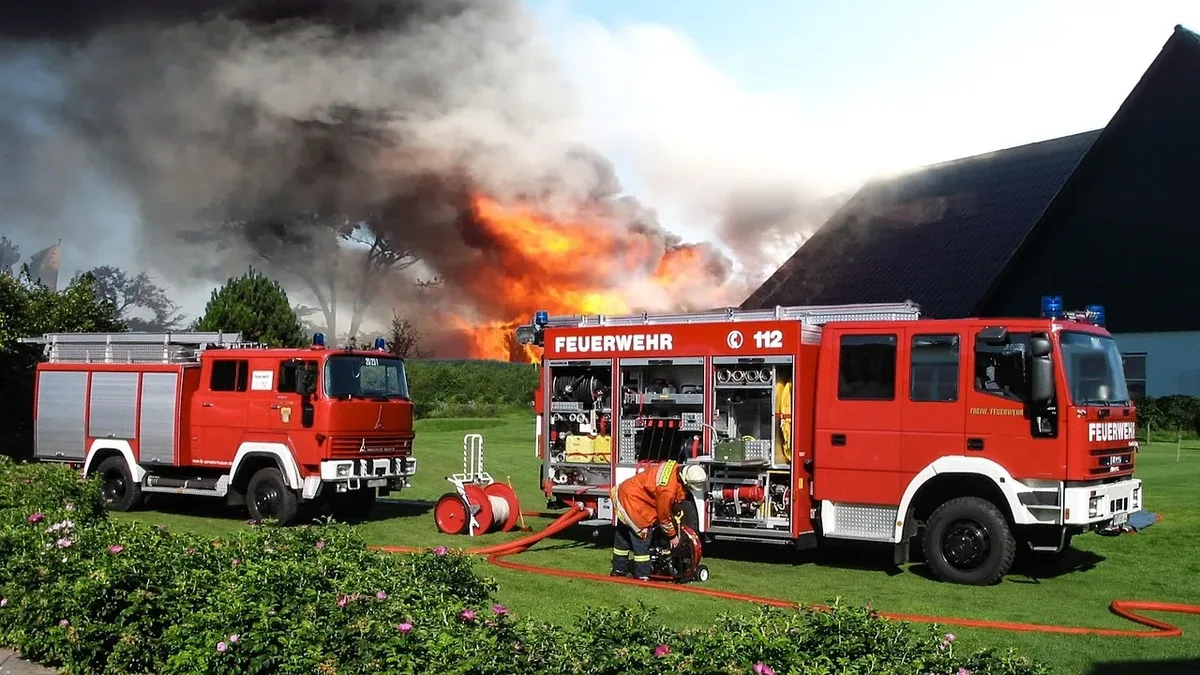
Wildfires have caused an estimated €19 billion in losses in Europe this year alone, according to a report by Gill Einhorn of the Forest Future Alliance and Natalie Çilem of the Global Wildfire Leadership Network. The authors argue that current spending prioritizes disaster recovery over building resilience, creating a cycle of escalating economic and environmental damage.
Far more money is spent responding to wildfires than preventing them. The United Nations Environment Programme estimates that over half of wildfire-related spending funds response efforts, while planning receives only about 0.2%. This pattern extends beyond fires; less than 4% of disaster aid between 2005 and 2017 was directed towards prevention or preparedness.
The Financial Burden of Reactive Policies
The spending discrepancy creates significant challenges for the insurance sector and governments. Global insured losses from natural catastrophes reached $107 billion in 2025, with wildfires, floods, and storms accounting for 92% of claims. Insurers are reassessing risk, and around 56% of global wildfire losses between 2000 and 2023 were uninsured. In some high-risk areas, coverage is being scaled back entirely, leaving communities to shoulder growing costs.
Investing in prevention can yield substantial savings. A report by the World Economic Forum and the Forest Future Alliance found that each dollar invested in wildfire-resistant construction could save around $210 in avoided future economic losses. Despite this, funding for resilience remains chronically low.
Proven Prevention Strategies
Solutions exist and are proving effective. Following years of devastating fires, Portugal shifted its national strategy, increasing prevention spending within its rural fire management system from around 20% in 2017 to approximately 60% in 2022.
Indigenous stewardship models also reduce risk. The Cheslatta Carrier Nation in British Columbia combines traditional knowledge with modern methods, implementing mechanised fuel removal under commercial agreements to generate community benefits while boosting prevention.
Technology offers another pathway. The FireSat satellite constellation, a partnership led by Earth Fire Alliance, scans the planet every 20 minutes. It can detect fires 400 times smaller than current systems and track them through smoke and darkness. In California alone, FireSat could reportedly prevent up to 350,000 acres from burning annually. The initiative has received new investments to expand to over 50 satellites.
In Brazil's Pantanal, the Embrace the Forest initiative uses AI-powered detection towers across 2.5 million hectares. During the severe 2024 fire season, it contributed to a 40% reduction in burned area compared to 2020.
| Initiative | Location | Key Technology/Approach | Reported Impact |
|---|---|---|---|
| National Rural Fire Management System | Portugal | Increased prevention spending | Prevention spending rose from ~20% (2017) to ~60% (2022) of budget |
| Cheslatta Carrier Nation Stewardship | British Columbia, Canada | Mechanised fuel removal combined with Indigenous knowledge | Generates community benefits while boosting wildfire prevention |
| FireSat | Global (led by Earth Fire Alliance) | Satellite constellation for rapid detection | Can detect fires 400x smaller than current systems; could prevent up to 350,000 acres burned annually in California |
| Embrace the Forest | Brazil's Pantanal | AI-powered detection towers | Contributed to 40% reduction in burned area in 2024 vs. 2020 |
Building Collaborative Resilience
The authors state that "no sector can solve this challenge alone." They point to coalitions like the Global Wildfire Leadership Network, which brings together corporate leaders, investors, insurers, governments, and Indigenous leaders to direct investment towards prevention. Financial incentives must reward prevention through scaled public-private partnerships and support for long-term landscape stewardship.
Forests are critical infrastructure, supporting cooling, water security, and carbon removal. One in three people depend on forest services and goods for survival. A single preventive intervention can protect homes, reduce insurance claims, secure water supplies, and lower public costs. The goal, the authors conclude, is to shift investment upstream and build a future where resilience, not recovery, forms the foundation of thriving economies.