Campaigners demand 90dB fireworks limit to protect wildlife
The Center for Wild Animal Welfare is urging the UK government to slash the maximum noise limit for consumer fireworks from 120dB to 90dB, citing severe stress and harm to birds, livestock, and pets. Pressure is mounting from farmers and public petitions, with over 180,000 signatures each, as a government consultation on lowering limits concludes.
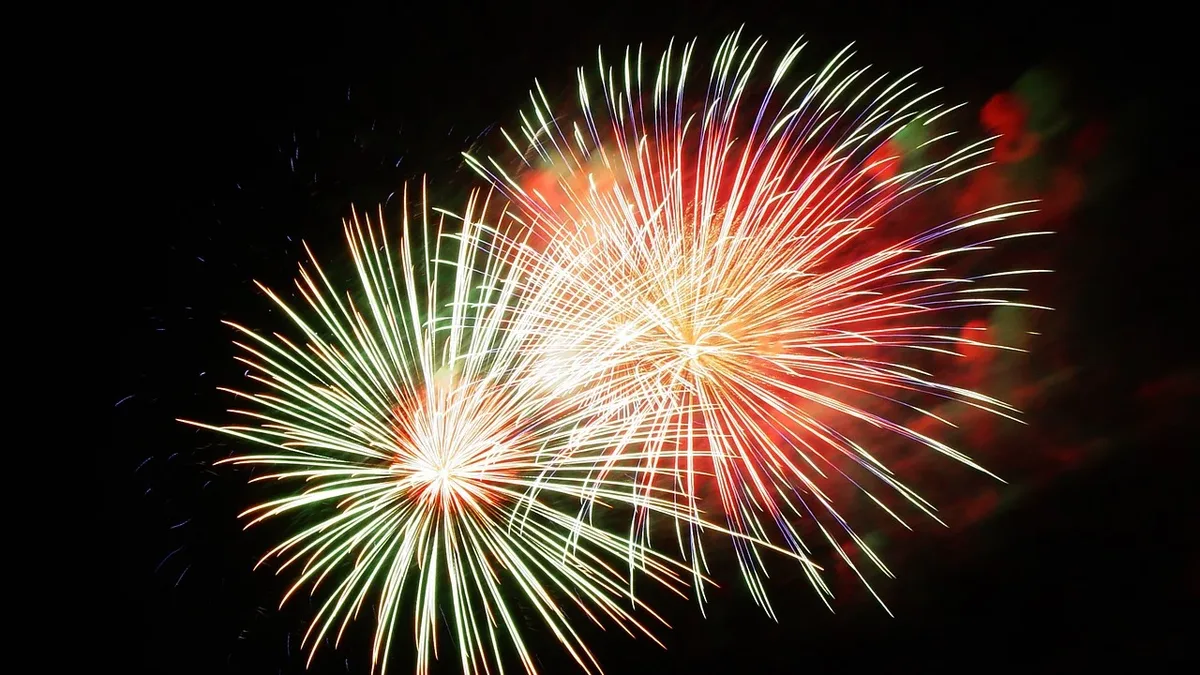
Campaigners and petitioners are demanding the UK government impose a 90-decibel noise limit on consumer fireworks to curb animal distress and safety risks. The current maximum permitted level is 120dB. Two public petitions related to fireworks noise and availability have each gained more than 180,000 signatures. The Center for Wild Animal Welfare (CWAW) is leading calls for the stricter 90dB cap, pointing to evidence of wildlife harm and citing New Zealand, which introduced a 90dB limit, reduced sales days, and raised the purchase age to 18 in 2008.
Scientific evidence links noise levels to wildlife disturbance
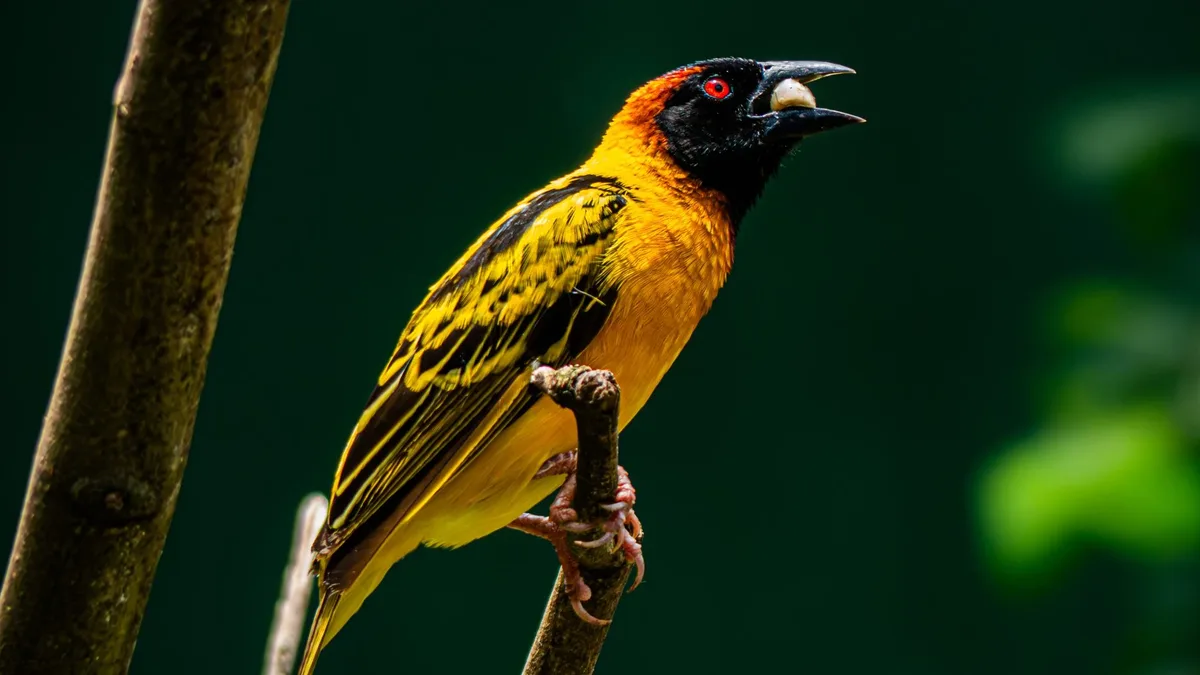
Scientific analysis indicates a 90dB limit would drastically reduce the area disturbed by fireworks. According to the Center for Wild Animal Welfare, a 90dB cap would shrink the area of disturbance by 100 times compared to the government's own proposal of 110dB. Richard Parr, director of the CWAW, explained the acoustic principle that each 10-decibel reduction cuts the area affected by noise tenfold. Birds are particularly vulnerable, experiencing acute stress responses, mass temporary displacement, and sometimes fatal collisions during displays.
Farmers warn of livestock panic and injury from fireworks
Farmers report serious incidents of livestock panic and injury caused by private fireworks displays. They describe cattle stampeding, damaging fences, and injuring themselves on barbed wire. Ross Follett, a farmer in Berwick Saint John, treated cuts on his herd after a large display and preemptively moved 350 cows into a barn to prevent them from running wild. Due to low straw supplies from a dry summer, he could only stable them for a single weekend. Peter Shallcross, a dairy farmer in Tisbury, said fireworks could cause cattle to stampede, run through fences, damage equipment, and harm themselves. On his farm, a collie dog, eight weeks pregnant, was so terrified during a private display that she injured herself trying to escape her kennel. Abi and Gavin Atterton, who farm 1,000 ewes near Wilton, often stay with their animals during displays to monitor them.
The National Farmers' Union has called for reduced noise levels, the development of quieter fireworks, and advance notification of displays. The union recognizes animal welfare and fire risks to crops, straw, and buildings but does not support an outright ban on consumer fireworks. It seeks regulations that specifically consider farm animal welfare and agricultural business risks.
Government faces pressure to act after consultation feedback
The government is now reviewing feedback from a recent public consultation that concluded earlier in the month. That consultation proposed lowering the noise limit from 120dB to 110dB, a change that would halve the perceived loudness. It also examined expanding banned fireworks categories, reviewing lower-risk products, and scrapping the age limit on Christmas crackers. A government spokesperson confirmed officials were assessing the consultation responses. The government has also launched a public awareness campaign encouraging people to consider the impact of fireworks on farmers, livestock, pets, and wildlife.
Opposition to the stricter 90dB limit comes from the British Fireworks Association. The trade body cites a lack of clear evidence linking the current limit to harm, warns of a potential increase in illegal fireworks, and expresses support for better enforcement of existing rules and public education instead. Concerns have also been raised that a precise noise testing system for fireworks is difficult to define in legislation and could be gamed. The government will assess the consultation feedback to determine its next steps on fireworks noise limits.