Beavers return to Loch Ness catchment after 500-year absence
A family of six beavers was released into the Loch Ness catchment on November 4, 2023. The release begins a three-year project to restore wetland ecosystems and boost biodiversity.
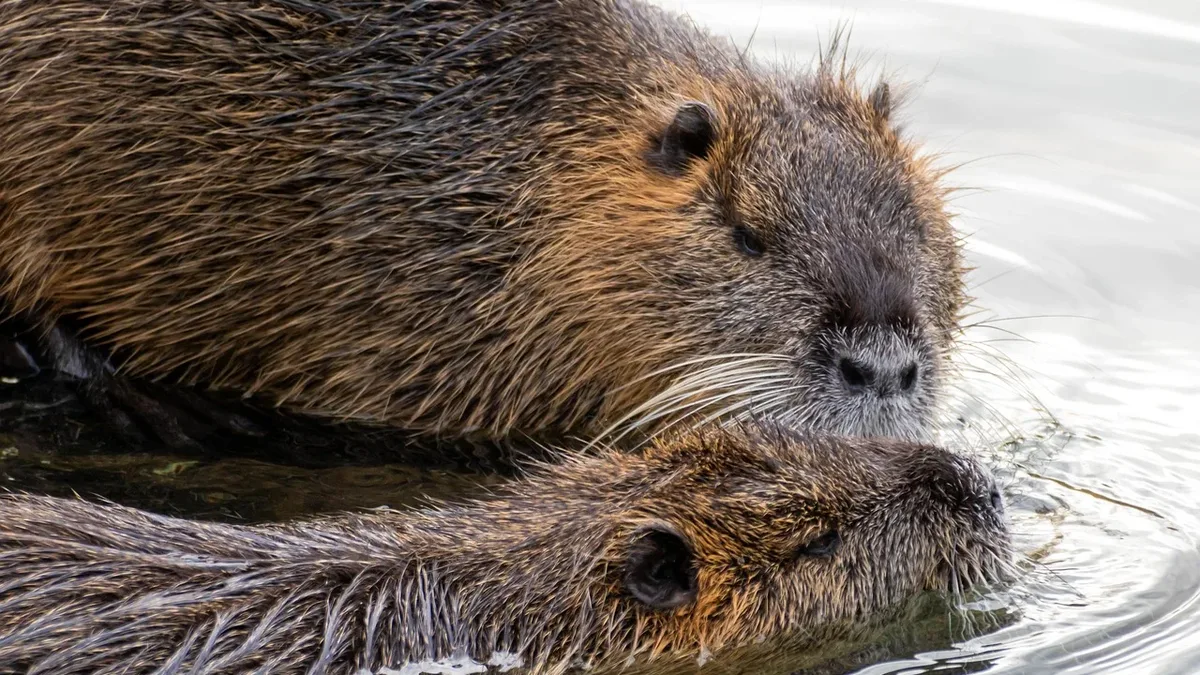
Six beavers were released into the Loch Ness catchment at Dundreggan on November 4, 2023. This marks the first time the species has been recorded in the area for 500 years.
The animals, relocated from Tayside under licence from NatureScot, form a family group consisting of a mother, two juveniles, and three young born earlier this year. They were released on the 10,000-acre Dundreggan rewilding estate managed by Trees for Life. All six beavers entered the water immediately after release to explore their new habitat.
This event launches the Ness Beaver Project, a joint initiative between Trees for Life and the Beaver Trust. The project aims to introduce at least 15 beaver families around Loch Ness over the next three years. The release was supported by a grant of just over 47,000 euros from Rewilding Europe’s European Wildlife Comeback Fund.
Project aims to restore ecosystem function
Beavers will rebuild wetlands through damming and tree felling to support biodiversity and natural processes. Their activity in digging channels and building dams is expected to create pools and light-filled woodland gaps.
This engineering supports species like frogs and dragonflies, with insects providing food for birds and bats. Beaver dams on smaller streams slow water flow and trap sediment, which improves water quality. Their work revitalises river networks, helping to mitigate flooding, drought, and wildfires.
A strategic comeback for native species
Beavers were first reintroduced to Scotland in 2009 after being hunted to extinction centuries ago. The River Ness catchment was identified by NatureScot in 2022 as one of the most suitable locations in the country for them. The animals for this release came from areas in Tayside where they were causing difficulties for local farmers, following unsuccessful mitigation measures.
Before release, all animals underwent health checks at the Five Sisters Zoo beaver holding facility. The wider Eurasian beaver population has seen a dramatic recovery across Europe, rising from around 1,200 in 1900 to over 1.5 million today.
Community and conservation collaboration
Local support and multi-organisation coordination underpin the project. More than 73% of respondents supported the applicants' consultation process. NatureScot approved the release, having assessed monitoring and mitigation plans to address concerns from land managers and residents.
The initiative will create opportunities for local people to participate in monitoring. Dundreggan, home to the world’s first Rewilding Centre, plans to run guided beaver tours once the family has settled, aiming to enhance local eco-tourism. The key to managing future impacts, as the population expands, will be transparency and openness between all organisations involved.
The project is designed to allow beaver populations to connect and grow across woodlands and hundreds of miles of riverbanks. A related collaboration saw seven beavers released in Glen Affric in October 2025. The beavers entered the water immediately after release to explore their new habitat.