Rewilding Europe Advocates Nature-Based Climate Resilience
Rewilding Europe argues that restoring natural processes like wetland rewetting, natural grazing, and diverse forests is a cost-effective strategy to
Rewilding Europe states that working with nature is a major opportunity to build a more resilient continent. The organisation argues that as climate change fuels more frequent and intense wildfires, floods, and droughts, rewilding can help future-proof landscapes.
Europe is entering a new era of climate extremes, according to the source. Devastating wildfires swept across Spain, Portugal, France, and Greece this summer, with major blazes also erupting in Scotland and Ireland. More than 600,000 hectares have burned across the European Union this year. This follows a catastrophic year for European wildfires in 2025.
The economic impact of extreme wildfires in France, Spain, and Greece alone this summer is estimated to exceed €15 billion. Rewilding Europe contends that while firefighting is essential, solely increasing spending on suppression is unsustainable. The group says Europe must invest more in transforming landscapes to create healthier, more resilient ecosystems.
Restoring Natural Water Systems
Rewilding has a critical role in this shift, the report states. Restoring natural processes can create self-sustaining landscapes better equipped for the future. One key approach is rewetting wetlands and restoring natural water systems.
Centuries of drainage for agriculture and other uses have lowered groundwater tables across Europe. Reversing this means restoring the landscape's natural sponge function by blocking drains and ditches. Rewetting wetlands, floodplains, and peatlands helps landscapes absorb rainfall and store water, releasing it gradually during dry periods.
Higher water tables keep soils and vegetation wetter, creating natural firebreaks and reducing wildfire vulnerability. This also slows floodwaters, stores carbon, and supports biodiversity. In Scotland's Affric Highlands, the Rewilding Affric Highlands team has restored over 1,000 hectares of degraded peatland by blocking drainage channels. In the Oder Delta, wetlands are being revitalised through active rewetting and the eco-engineering work of beavers.
Enhancing Natural Grazing
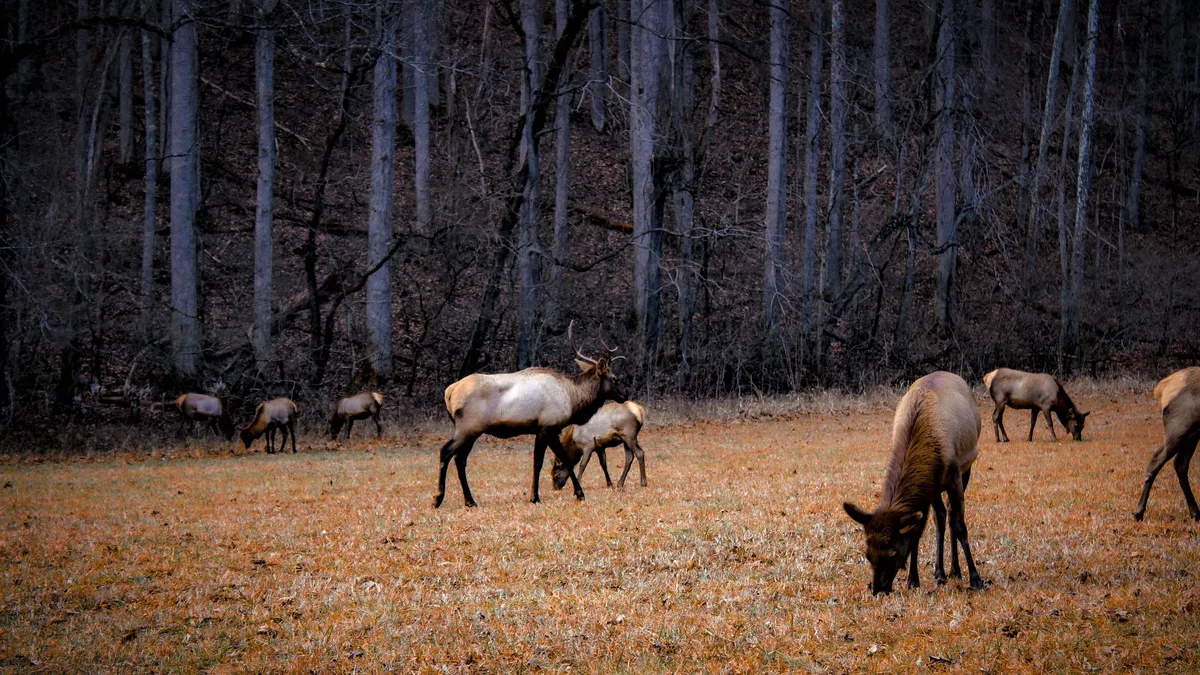
For thousands of years, Europe's landscapes were shaped by large herds of wild herbivores. Their grazing created a mosaic that limited vegetation build-up, reducing fuel for large fires. Today, most natural grazers have disappeared, and rural depopulation has led to declining livestock numbers. Dense vegetation has accumulated across millions of hectares, increasing wildfire fuel.
Restoring natural grazing involves bringing back large herbivores like European bison and wild horses. It also means allowing common species such as red deer and elk to recover to densities where their grazing can significantly shape vegetation. The source notes that intensive hunting and forestry have suppressed herbivore populations, limiting this ecological role. More abundant herbivore communities can reduce combustible vegetation, creating varied landscapes that slow fire spread.
A global review published in the Journal of Applied Ecology, drawing on 74 studies, concluded that restoring natural grazing is one of the most cost-effective nature-based solutions for reducing catastrophic wildfires. This is particularly true where different herbivore species graze together.
In Rewilding Europe's Greater Côa Valley and Iberian Highlands landscapes, growing populations of free-roaming herbivores like Sorraia horses and Tauros are helping create more fire-resilient landscapes. Their grazing restores natural processes and delivers wider benefits. Richer wildlife attracts visitors and creates new economic opportunities for rural communities.
Transforming Forest Ecosystems
Europe's forests are a critical part of climate resilience. Across large areas, diverse native woodland has been replaced by dense commercial plantations, often dominated by flammable non-native species like eucalyptus. These simplified forests can become especially vulnerable during droughts, allowing wildfires to spread rapidly.
While Europe's forest cover has increased over the last century, less than 3% of European forests are considered natural. Allowing forests to recover their natural diversity and complexity can significantly improve resilience. Research analysing over 26,000 wildfires in Spain found native broadleaf woodland had the lowest ignition risk and was less prone to intense fires. Diverse, mixed forests are also generally better able to withstand drought, storms, and pests.
Across Europe, forest managers are increasingly embracing Closer-to-Nature Forest Management, supported by the EU Biodiversity Strategy for 2030. This shift is helping move production forestry towards a more resilient future. In France's Dauphiné Alps, the Rewilding France team and local partners have secured an agreement to let nature lead recovery in Die Forest for at least 60 years. In Bulgaria's Rhodope Mountains, forest regeneration is transforming former production forests into thriving native woodland.
Faced with growing wildfire risk, Rewilding Europe warns against the temptation to recreate landscapes of the past solely through subsidised livestock grazing or vegetation clearance. The group states that Europe's landscapes, climate, and rural societies have changed, and attempting to maintain nature everywhere through continuous human intervention would be hugely expensive.