Adapting Protected Sites To A Changing Climate
| Protected site type | Climate Adaptation Ecosystem |
|---|---|
| Condition | Under anthropogenic stress from climate change |
| Protection regime | Managed through adaptive conservation strategies |
| Primary threat | Accelerating climate change impacts |
| Adaptation objective | Maintain ecological function and designated features |
| Management approach | Dynamic, evidence-based interventions |
| Legal framework | Subject to national and international conservation designations |
| Typical interventions | Habitat manipulation, species translocations, infrastructure resilience |
Origin and history
The conceptual and policy framework known as Adapting Protected Sites To A Changing Climate originated from international conservation science and policy dialogues in the late 20th and early 21st centuries. It emerged as a direct response to the observed and projected impacts of anthropogenic climate change on natural and cultural heritage sites globally. The foundational science was consolidated by bodies like the Intergovernmental Panel on Climate Change (IPCC) and the International Union for Conservation of Nature (IUCN) from the 1990s onward. National environmental agencies, particularly in regions with extensive protected area networks like North America, Europe, and Australia, began developing formal adaptation strategies in the 2000s. The history is not of a single invention but of an evolving discipline that integrates climatology, ecology, and conservation management. Its development is ongoing, with principles being continuously refined as climate impacts accelerate and scientific understanding deepens.
What it is for
This framework is for ensuring the long-term persistence of conservation values within legally designated protected areas despite shifting climatic conditions. Its primary purpose is to guide management interventions that reduce the vulnerability of species, habitats, and ecological processes to climate change impacts. It is for maintaining the functional integrity of ecosystems that provide essential services, such as water filtration, carbon sequestration, and coastal protection, from within protected boundaries. The approach is for fulfilling the legal and ethical obligations of site managers to protect designated features under dynamic, rather than static, environmental conditions. It is for making strategic decisions about when to resist change, when to facilitate ecological transformation, and when to accept loss. Ultimately, it is for translating broad climate adaptation policy into concrete, site-specific actions that can be implemented and monitored.
Overview
Adapting Protected Sites To A Changing Climate is a structured process of assessment, planning, and intervention for protected area management. It acknowledges that traditional conservation goals based on historical baselines may become unachievable as climate envelopes shift and extreme events increase in frequency. The framework typically involves a vulnerability assessment that evaluates the exposure, sensitivity, and adaptive capacity of key ecological attributes. Management strategies are then categorized along a spectrum from resistance (bolstering resilience to withstand change) to transformation (actively guiding ecological change toward a new desired state). Implementation requires adaptive management, where actions are treated as experiments and adjusted based on monitoring data. This overview encompasses a shift from a preservationist paradigm to a dynamic one, where management goals may themselves need to evolve alongside the climate.
What to know
Know that climate change impacts within protected sites are non-uniform; some species and ecosystems will be more vulnerable than others, requiring prioritized action. It is crucial to understand that adaptation is not a one-time plan but a continuous cycle of monitoring, evaluation, and adjustment. Know that legal and policy frameworks for protected areas often assume ecological stability, creating significant barriers to implementing proactive adaptation measures like assisted migration. One should know that adaptation actions can be controversial, particularly when they involve accepting the loss of a signature species or intervening in ways that appear unnatural. It is important to know that effective adaptation requires collaboration across jurisdictions, as species ranges and ecological processes often extend beyond a single site's boundaries. Finally, know that robust scientific evidence and local ecological knowledge are both indispensable for informing credible and socially acceptable adaptation strategies.
Common questions
A common question is whether adaptation means abandoning original conservation goals, to which the answer is that goals may need to be re-evaluated and reframed around persistent functions rather than fixed compositions. People often ask if building hard infrastructure, like sea walls, is a recommended adaptation strategy, and while sometimes necessary for cultural assets, it often fails ecologically and can cause damage elsewhere. Many wonder who pays for adaptation, a complex issue involving government budgets, conservation NGOs, and emerging mechanisms like climate finance, but funding is consistently identified as a major gap. Site managers frequently question how to balance adaptation for climate change with existing pressures like invasive species or pollution, which typically requires integrated management that addresses multiple stressors. A recurring legal question is whether managers have the authority to undertake transformative actions, such as introducing species, that may conflict with existing regulations. Finally, the public often asks if these efforts are futile, a concern addressed by emphasizing that adaptation aims to conserve functioning ecosystems and avoid the worst losses, not to keep everything unchanged.
Pros and cons
A significant pro is that it provides a proactive, forward-looking roadmap for conservation, moving beyond reactive crisis management toward strategic planning for inevitable change. It fosters a more holistic understanding of ecosystem dynamics and encourages innovation in conservation practice. A major con is the high degree of uncertainty involved; climate projections and ecological responses are imperfect, leading to the risk of maladaptation where actions inadvertently increase vulnerability. The approach can be resource-intensive, demanding significant investment in scientific assessment, long-term monitoring, and potentially expensive interventions like landscape-scale hydrological restoration. A common mistake is focusing adaptation planning solely on ecological models without adequately engaging stakeholders, leading to conflict and implementation failure. Many site managers regret a piecemeal approach that addresses symptoms, like planting drought-resistant trees, while failing to tackle the underlying vulnerability of ecosystem processes, such as altered fire or hydrological regimes.
Who it suits
This framework best suits protected area agencies and site managers who have the institutional mandate, capacity, and willingness to engage in long-term, adaptive planning. It suits sites where climate change is already observable through metrics like species range shifts, phenological changes, or increased mortality from heat stress or wildfires. It is particularly critical for sites protecting isolated or fragmented ecosystems, such as mountain tops or freshwater wetlands, where species cannot easily migrate to track suitable climate conditions. The approach suits conservation organizations that are scientifically resourced and able to navigate complex trade-offs and potential shifts in conservation targets. It is less suited to sites with extremely rigid legal protection statutes that forbid any active intervention, or where management is severely under-resourced and unable to sustain the necessary monitoring and iterative decision-making cycle. Ultimately, it is a necessary path for any entity committed to the enduring conservation value of protected areas in the 21st century.
Latest Adapting Protected Sites To A Changing Climate news
Latest reporting
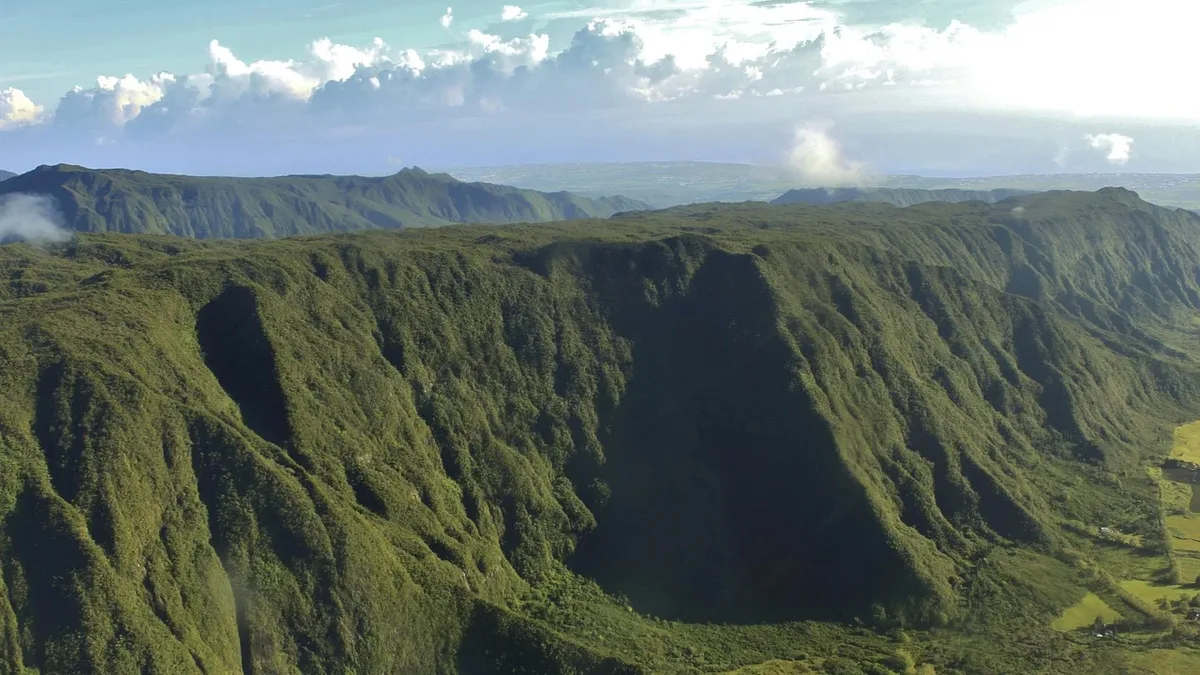
Alpine Zones Greening Across Northeastern North America
A 40-year satellite study reveals 69% of alpine zones in northeastern North America have significantly greened, driven by climate change and shaped...

AI tree species mapping boosts urban climate
Researchers have used AI to identify urban tree species from satellite and aerial imagery, enabling cities to make reforestation choices that improve
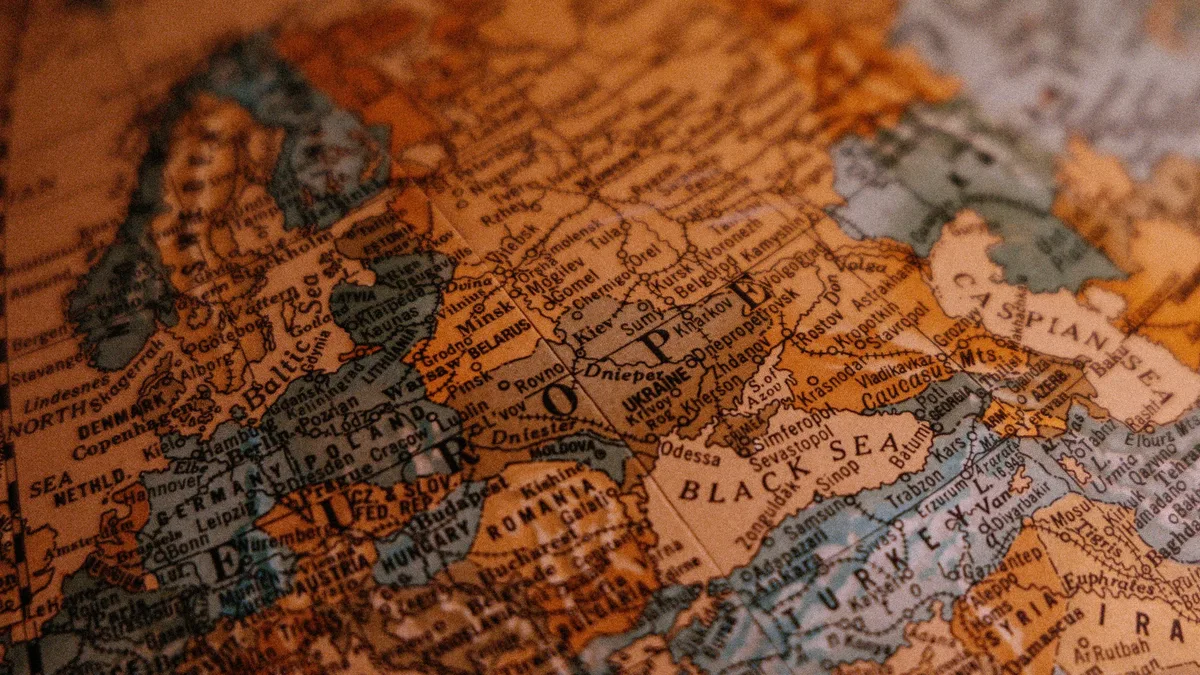
European Project Charts Paths to Climate-Resilient Land
A four-year European research project has identified three key strategies for making soil and water management more resilient to climate change...
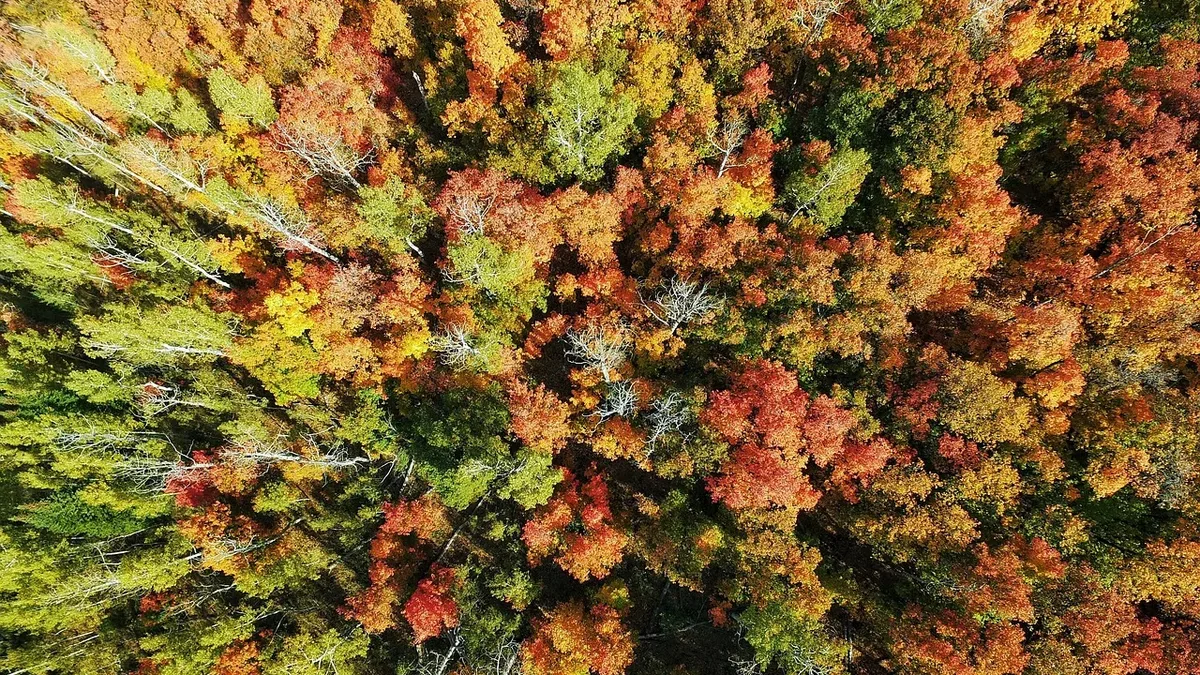
Forestry England launches public autumn
Forestry England has asked the public to become 'autumn spotters' and record the changing colours of trees to build a national record of the season's
UN Climate Chief Urges EU to Back COP31 in Turkey
UN climate chief Simon Stiell told the European Parliament that Europe's summer of extreme heat, causing at least 35,000 excess deaths and billions...

UN climate chief warns against climate
UN climate chief Simon Stiell warns that political polarization over climate action risks economic disaster, as data confirms August 2026 tied as the