Eurasian and Iberian Lynx Populations Recover Across Europe
Europe's two lynx species are rebounding through rewilding efforts, with the Iberian lynx population now over 2,600 and the Eurasian lynx estimated at
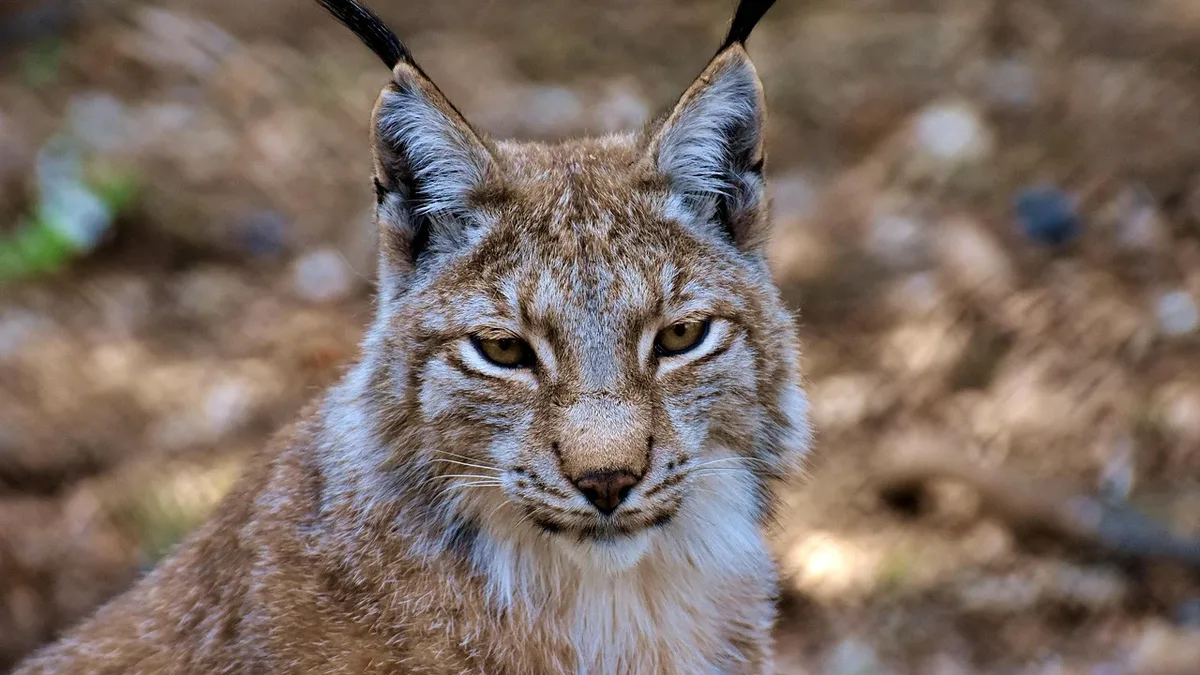
Europe's two lynx species are staging a remarkable comeback. Rewilding efforts are helping the Eurasian and Iberian lynx reclaim landscapes from which they had vanished.
Both species suffered severe historical declines.
Spectacular Recoveries
The Iberian lynx recovery has been dramatic. By 2025, conservation programs had boosted its population to well over 2,600 animals. This included 394 in Portugal. Its conservation status was downgraded from "endangered" to "vulnerable" in 2024.
Decades of reintroduction and protection are credited for this growth, though some populations remain small and isolated.
| Species | Estimated European Population | Key Prey | Conservation Status (as of 2024) |
|---|---|---|---|
| Iberian Lynx (Lynx pardinus) | Well over 2,600 (by 2025) | Rabbits | Vulnerable |
| Eurasian Lynx (Lynx lynx) | 9,000 - 10,000 | Roe deer and other wild ungulates | Not specified in source |
As predators, their return helps shape healthy food webs. It also demonstrates that people and these carnivores can share landscapes.
Preparing for Recolonization in Portugal
In Portugal's Greater Côa Valley, the Iberian lynx has not yet re-established a permanent population. Dispersing animals have been recorded nearby, however. The Rewilding Portugal team is working to create suitable conditions for natural recolonization.
A critical step is rebuilding the Iberian rabbit population, the lynx's main prey. In July 2026, Rewilding Portugal released 17 rabbits into artificial burrows at the Ermo das Águias rewilding site. Further releases are planned under the LIFE LUPI LYNX initiative.
Natural grazing by Sorraia horses is helping restore meadows and woodlands at the site. This habitat recovery is linked to increasing numbers of rabbits, partridges, and insects, benefiting the wider food web.
Reintroduction and Coexistence in the Oder Delta
In northwestern Poland's Oder Delta, the Eurasian lynx is returning after a four-century absence. A reintroduction program led by the West Pomeranian Nature Society, with support from Rewilding Oder Delta, had released 103 lynx by the end of 2025. At least 40 released females have since reproduced.
Coexistence work is key as lynx spread. Monitoring tracks their movements, and a rapid response system supports farmers when lynx appear near livestock. A cross-border intervention team is being developed, and community engagement in northeastern Germany is preparing for dispersing animals. Sylwia Rylowska stated, The return of the Eurasian lynx signifies the return of a natural predator, the strengthening of natural processes, and the opportunity to create a powerful symbol of a wild and thriving Oder Delta.
Genetic Rescue in Croatia
In Croatia's Velebit Mountains, the local Dinaric Eurasian lynx population had become severely inbred. To increase genetic diversity, animals from the Carpathian Mountains were translocated through the LIFE Lynx initiative. Six were released in Croatia, with one in the rewilding landscape supported by the Rewilding Velebit team.
Rewilding officer Nino Salkić estimates the population across Croatia and Slovenia at 140 to 150 animals, with numbers rising. Improving connectivity is now a priority, as roads and motorways remain significant barriers to natural dispersal.
The Potential for Scotland
Eurasian lynx once lived in Britain, surviving longest in Scotland before disappearing centuries ago. They cannot recolonize the area naturally. The Lynx to Scotland initiative is exploring a potential reintroduction.
Studies suggest Scotland has sufficient habitat and wild prey. Social acceptance is key. A 2025 opinion poll found nearly two-thirds of the Scottish public support reintroduction at selected sites. Challenges like roads, poaching, and fragmented habitats remain across Europe. Rewilding initiatives continue to address these by rebuilding prey, improving connectivity, and fostering coexistence.