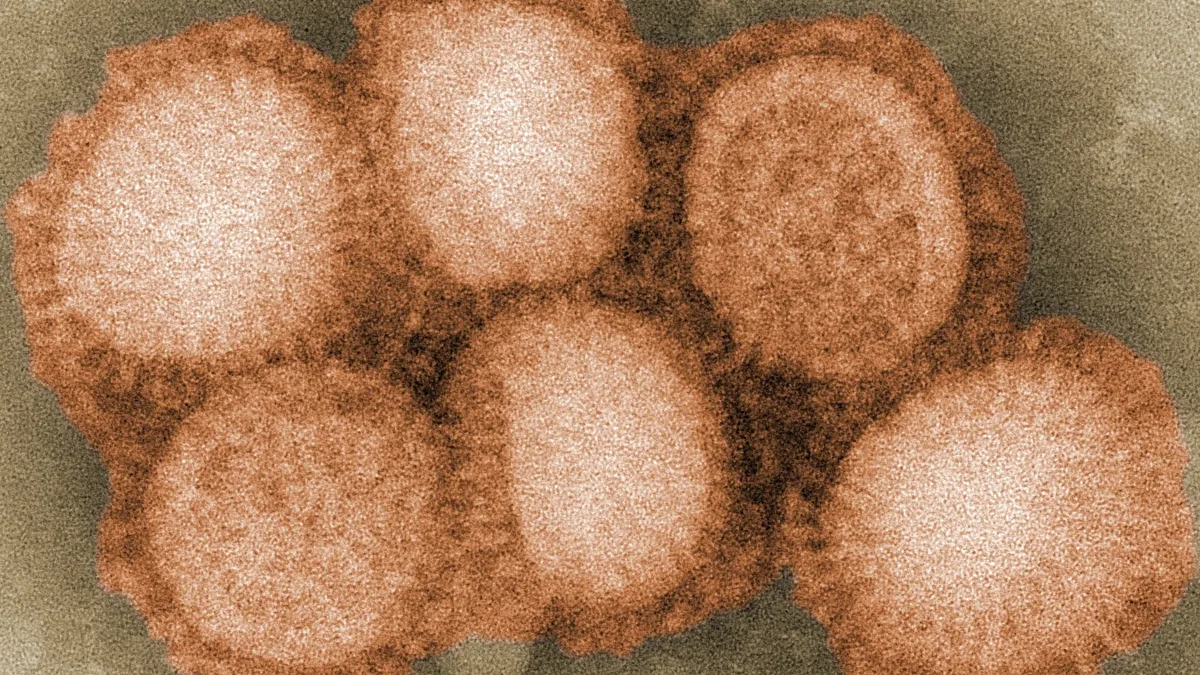
Avian Influenza In Wild Bird Populations
| Primary host species | Wild waterfowl (e.g., ducks, geese, swans) |
|---|---|
| Virus family | Orthomyxoviridae (Type A influenza) |
| Natural reservoir | Believed to be in wild aquatic birds |
| Transmission between birds | Primarily via fecal-oral route through contaminated water |
| Geographic range | Global |
| Protection regime focus | Surveillance, early detection, and biosecurity |
| Original use context | Natural viral circulation in wild bird populations |
Origin and history
Avian influenza viruses have a long evolutionary history in wild aquatic birds, particularly waterfowl and shorebirds. These viruses are believed to have originated and co-evolved with their wild bird hosts over centuries, if not millennia. The scientific documentation of influenza viruses in birds began in the late 19th century, with a significant early description of a severe disease in poultry in Italy during the 1870s. The natural reservoir for all avian influenza A viruses is considered to be wild bird populations, especially those in the world's major migratory flyways. The specific geographic origin is not a single country but is intrinsically linked to global aquatic ecosystems where migratory birds breed, rest, and feed. The recognition of wild birds as a permanent reservoir and vector for these viruses became firmly established in the scientific literature during the 20th century.
What it is for
Avian influenza viruses in wild birds serve a specific ecological function within their natural host populations. In this reservoir host system, the viruses are maintained at a low pathogenic state, causing little to no clinical disease in the infected wild birds. This persistent, asymptomatic infection allows for the continuous circulation and evolution of influenza viruses in the environment. The ecological role is not one of purpose but of outcome, where a balance exists between host immunity and viral replication. This system acts as a global genetic reservoir from which novel viral strains can periodically emerge. The natural circulation in wild birds provides a source of genetic diversity for influenza viruses, which can have significant implications when spillover events occur into domestic poultry or mammalian populations.
Overview
Avian influenza in wild bird populations refers to the natural infection of wild birds, primarily aquatic species, with influenza A viruses. These viruses are classified into subtypes based on their surface proteins, hemagglutinin (H) and neuraminidase (N). The current global concern focuses on the spread and persistence of highly pathogenic avian influenza (HPAI) H5N1 viruses of the Gs/GD lineage within wild birds. Historically, wild birds were considered primarily as vectors for low pathogenic avian influenza (LPAI) viruses, with HPAI outbreaks being rare and self-limiting in wild populations. The epidemiological shift observed since the early 2000s, and particularly after 2020, shows that certain HPAI H5N1 viruses now cause significant mortality in some wild bird species and appear to be maintained in wild populations year-round. This represents a major change in the ecosystem condition, altering the dynamics between the virus and its natural reservoir hosts and increasing the frequency of spillover into other ecosystems.
What to know
Wild aquatic birds, particularly ducks, geese, swans, gulls, and terns, are the primary natural hosts for avian influenza A viruses. Infection in these species is typically asymptomatic for low pathogenic strains, occurring in the intestinal tract and being shed in feces, which facilitates waterborne transmission. The global migratory flyways, such as the East Asian-Australasian, Central Asian, and Atlantic Americas flyways, are critical pathways for the long-distance dispersal of these viruses. Surveillance programs monitor virus prevalence in wild birds at key locations like breeding grounds, stopover sites, and wintering areas to track viral evolution and spread. The interface between wild birds and domestic poultry, especially in free-range or backyard farming systems, is a major point of concern for viral spillover and potential adaptation. Understanding the complex interplay between wild bird migration patterns, land use changes, and climate variations is essential for assessing future risks and outbreak dynamics.
Common questions
A common question is whether wild birds should be culled to control the spread of highly pathogenic avian influenza, which is generally not recommended as it is ecologically damaging and ineffective for disease control. People often ask if it is safe to feed wild birds, which carries a low risk for human infection but should be done with hygiene precautions and discontinued during local outbreaks to prevent congregation of birds. Another frequent inquiry concerns the risk to pets, and cats and dogs can be infected, particularly if they consume sick or dead wild birds, so preventing such contact is advised. Many wonder if the virus will become endemic in all wild bird populations, and current evidence suggests it is becoming endemic in some regions and certain wild bird species, altering the long-term ecosystem dynamics. Questions about human risk are prevalent, and direct transmission from wild birds to humans is rare but requires avoiding handling sick or dead birds without proper personal protective equipment. Finally, people ask about the impact on wild bird conservation, and the virus has caused significant mortality in some threatened species and colonial seabirds, presenting a new and serious conservation challenge.
Pros and cons
A significant pro of this natural system is that it allows for the continuous study of influenza virus evolution in a real-world, large-scale setting, providing invaluable data for pandemic preparedness. The persistence of the virus in wild birds also serves as an early warning system; increased detection or mortality events can signal heightened risk for poultry industries, triggering biosecurity enhancements. A major con is that the establishment of highly pathogenic strains in wild populations has led to severe, ongoing mortality events in wild birds, impacting vulnerable species and disrupting ecosystems. This situation creates a persistent and widespread source of virus that constantly challenges the protection regimes for poultry, leading to recurrent economic losses and animal welfare issues in agriculture. A common mistake within management frameworks is to focus surveillance solely on known waterfowl reservoirs, while underestimating the role of other species like raptors, scavengers, and seabirds in maintaining and spreading the virus. Many wildlife managers and conservationists regret that the current scenario forces difficult choices between wild bird protection and poultry sector defense, with few universally effective mitigation strategies available.
Who it suits
This subject suits wildlife biologists and veterinarians specializing in disease ecology who require a deep understanding of host-pathogen dynamics in natural populations. It is critical for poultry industry professionals and veterinary authorities responsible for designing and implementing biosecurity measures based on wild bird migration and virus prevalence data. Conservation organizations and wildlife agencies need this knowledge to assess population impacts, manage protected areas, and make decisions about interventions during mortality events. Public health officials and epidemiologists monitor the situation for any signs of viral adaptation that could increase zoonotic potential, making it a key component of One Health approaches. Academic researchers in virology, ornithology, and ecology study this system to model disease spread, understand evolutionary pressures, and predict future outbreak trajectories. It also suits informed members of the public, particularly birdwatchers, hunters, and landowners, who can contribute to surveillance and adopt practices to minimize disease transmission risks at the wild-domestic animal interface.
Latest Avian Influenza In Wild Bird Populations news
Latest reporting
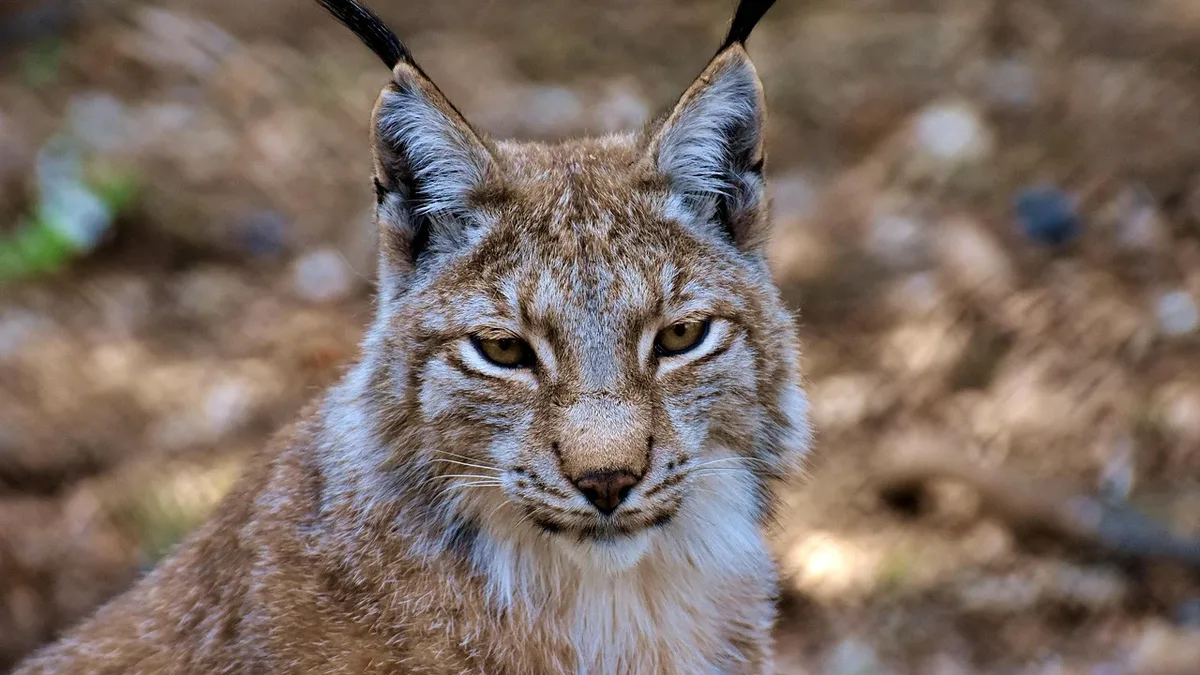
Eurasian and Iberian Lynx Populations Recover Across Europe
Europe's two lynx species are rebounding through rewilding efforts, with the Iberian lynx population now over 2,600 and the Eurasian lynx estimated at
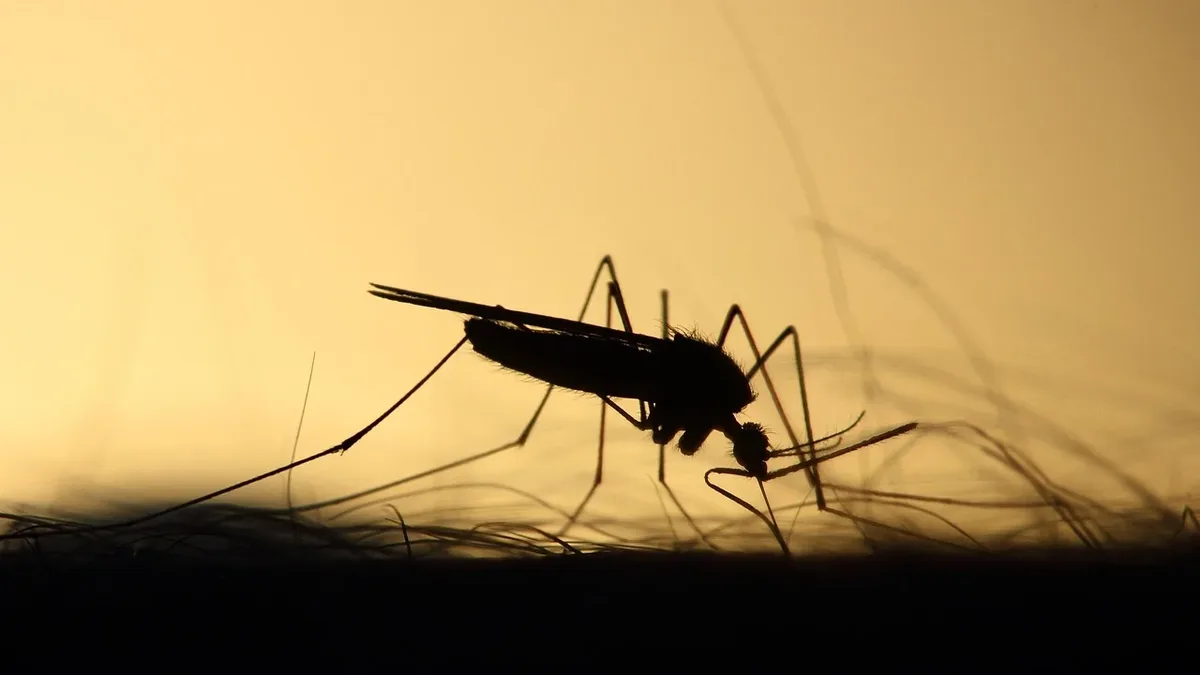
California Deploys Sterile Mosquitoes to Combat Dengue
A California mosquito control district is releasing half a million sterile male mosquitoes to suppress disease-carrying populations, a response to the

Migratory Bird Declines Signal Global Ecosystem Crisis
A BirdLife International report reveals 45% of migratory bird species are in decline, with 54% of shorebirds in steepest drop.
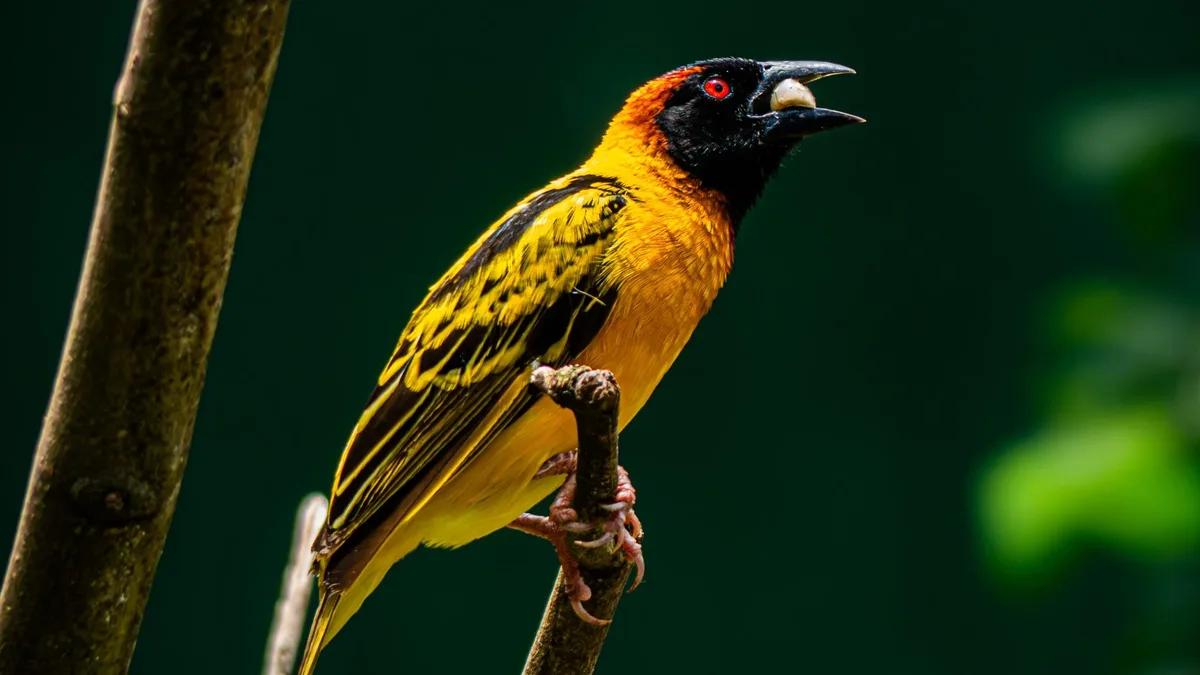
Jocotoco Antpitta Discovery Sparks Ecuador Conservation
The 1997 discovery of a new bird species, the jocotoco antpitta, led to the creation of the Jocotoco Foundation.
UN aquaculture plan risks 46% of wild fish
A UN plan to boost farmed fish production by 75% by 2040 could see nearly half the global wild fish catch ground into feed, a report warns...
England Considers Game Bird Welfare and Release Rules
The UK government is consulting on new animal welfare laws that could license pheasant and partridge shoots and impose environmental standards.