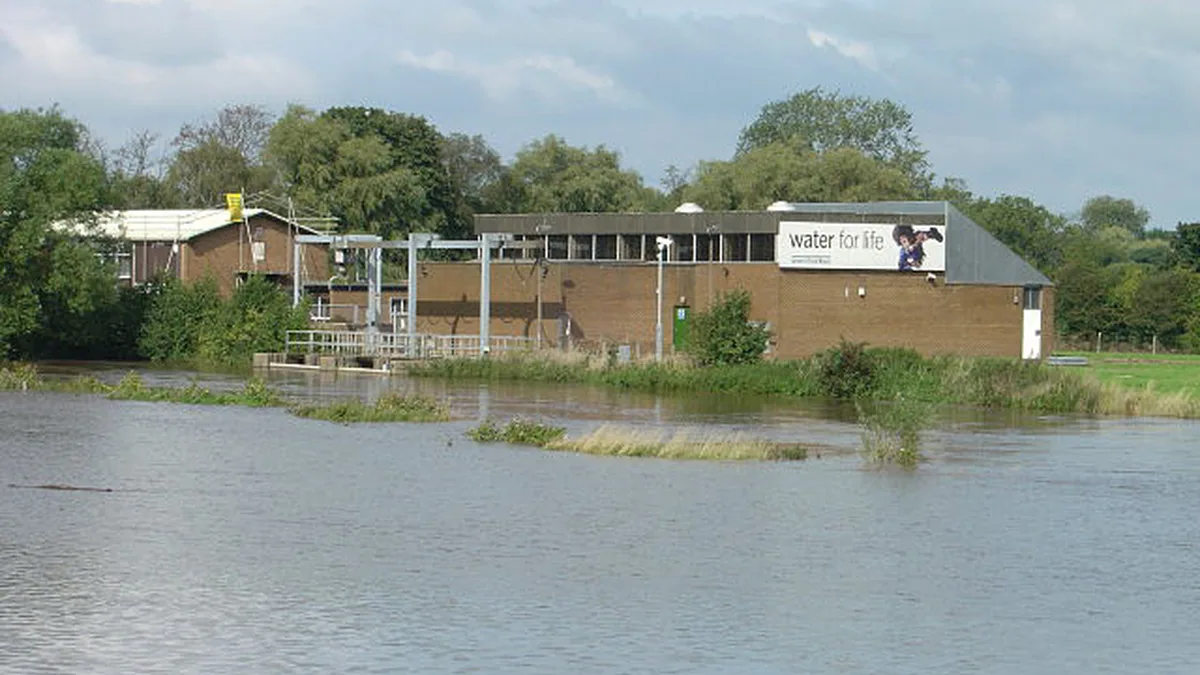
Water Abstraction
| Definition | The removal of water from its natural source for human use. |
|---|---|
| Primary source | Surface water (rivers, lakes) and groundwater (aquifers). |
| Scale of impact | Local to basin-wide, depending on abstraction rate and source. |
| Key ecological effect | Altered flow regimes, reduced habitat availability, lowered water tables. |
| Regulatory context | Typically licensed or permitted by national or regional water authorities. |
| Common mitigation | Abstraction limits, environmental flow requirements, water efficiency measures. |
Origin and history
The practice of water abstraction, defined as the removal of water from a natural source such as a river, lake, or aquifer, is an ancient human activity with no single point of origin. Its history is intrinsically linked to the development of agriculture and settled civilizations, with evidence of deliberate irrigation channels dating back millennia in regions like Mesopotamia and the Indus Valley. The systematic abstraction of groundwater via wells also has ancient origins, with sophisticated qanat systems for extracting and transporting groundwater being developed in Persia over 2,500 years ago. The industrial revolution of the 18th and 19th centuries marked a pivotal shift, scaling abstraction from local, manual withdrawal to mechanized, high-volume pumping for industry and municipal supply. The 20th century saw the global proliferation of powerful electric and diesel pumps, enabling abstraction rates that began to consistently exceed natural recharge in many aquifers. This technological advancement transformed water abstraction from a primarily surface-based activity to one dominated by groundwater mining, creating the modern paradigm of unsustainable resource depletion.
What it is for
Water abstraction serves as the fundamental process for securing freshwater resources for human society and economic activity. Its primary purpose is to supply potable water for public water supply systems that serve households, schools, hospitals, and businesses. A significant volume of abstracted water is used for agricultural irrigation, which is essential for food production in arid and semi-arid regions and for growing water-intensive crops. Industrial processes rely heavily on abstracted water for purposes such as cooling in thermal power plants, manufacturing, and as a solvent or cleaning agent. Abstraction is also used for non-consumptive purposes like hydropower generation, where water is diverted through turbines before being returned to the system, and for maintaining reservoir levels for recreational use. In some managed contexts, strategic abstraction can be used for environmental engineering, such as controlling water table levels to prevent waterlogging or, conversely, to drain land for agriculture.
Pros and cons
The principal advantage of water abstraction is that it provides direct, controllable access to a vital resource, enabling settlement, food security, and economic development in regions where natural water availability is insufficient or temporally mismatched with demand. It allows for the stabilization of water supply against seasonal droughts and can be engineered to provide a highly reliable source for critical infrastructure. A significant con, however, is that unsustainable abstraction leads directly to the depletion of aquifers, a non-renewable resource on human timescales, causing permanent loss of storage and land subsidence. Excessive surface water abstraction degrades aquatic ecosystems by reducing flow volumes, increasing water temperatures, and concentrating pollutants, which harms fish populations and riparian habitats. A common regulatory failure is treating surface water and groundwater as separate resources, leading to management that overlooks their hydraulic connection and exacerbates depletion. Many agricultural regions deeply regret prior expansion based on cheap, unregulated abstraction, as they now face prohibitively expensive deepening of wells, salinization, and the complete loss of their water-dependent livelihoods.
Who it suits
This practice suits societies and economic sectors that require a predictable and concentrated water supply, particularly large-scale centralized agriculture operating in climates with high evaporative demand but accessible groundwater. It is a necessary component for dense urban settlements and industrial complexes located away from naturally abundant freshwater sources, relying on engineered infrastructure to transport water over distances. Regions with substantial reservoir capacity and integrated river basin management may sustainably suit abstraction for combined uses, provided strict ecological flow requirements are enforced. The practice suits contexts where water rights and abstraction volumes are clearly defined, legally enforceable, and adjusted to reflect real-time hydrological data, moving away from open-access regimes. It does not suit arid environments with fossil aquifers for long-term intensive agriculture, as eventual resource collapse is inevitable, nor does it suit regions lacking the institutional capacity for monitoring and enforcement against illegal drilling. Ultimately, managed abstraction suits a paradigm that views freshwater as a scarce economic good requiring allocation, rather than an unlimited common-pool resource.
Latest Water Abstraction news
Latest reporting
Portable device enables on-site PFAS detection in water
Researchers have created a low-cost, portable platform using screen-printed electrodes and molecularly imprinted polymers to detect harmful 'forever...
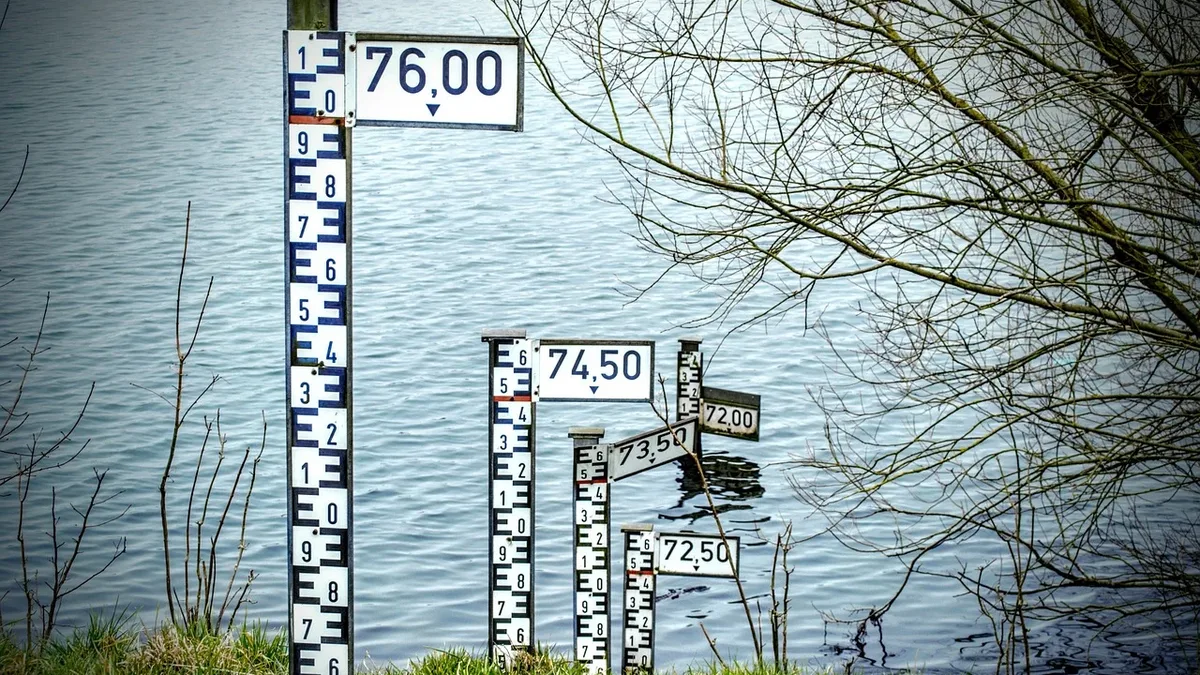
AI Explains Great Lakes Water Level Swings from Past Weather
A new AI analysis of 40 years of Great Lakes data reveals water levels are driven by weather and human decisions from months prior, not only current...
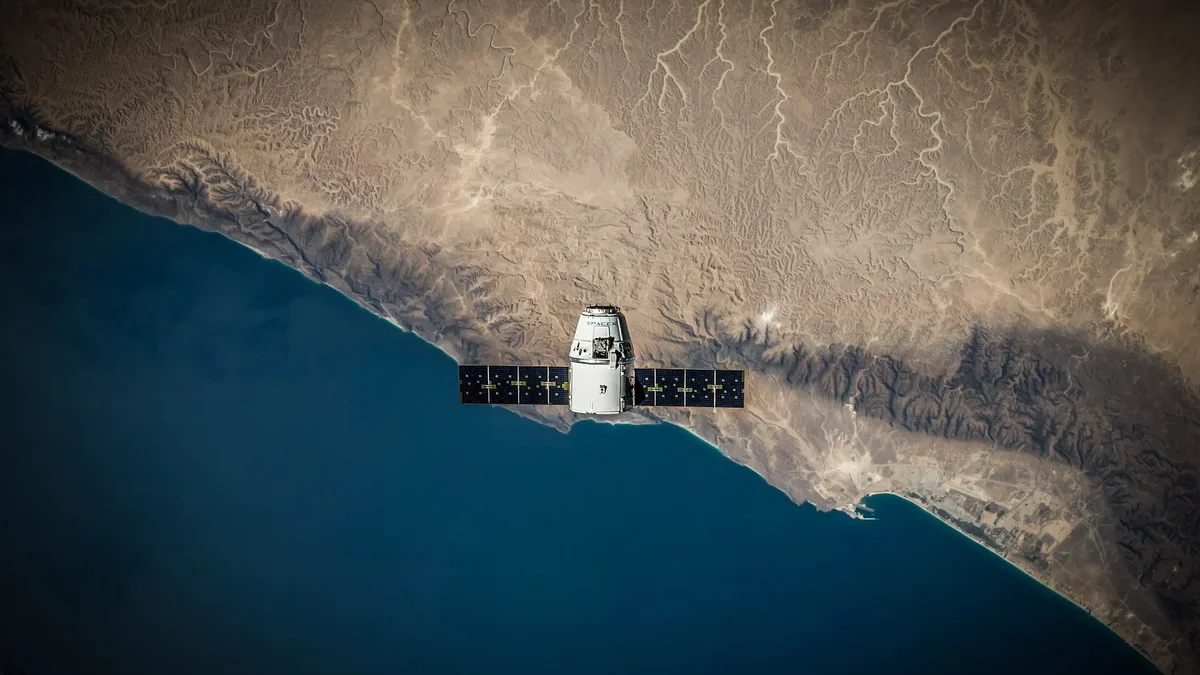
SWOT satellite monitors water levels in Asia's irrigation canals
NASA's SWOT satellite can now track water levels across most of Asia's vast canal network.
European Project Charts Paths to Climate-Resilient Land Management
A four-year European research project has identified three key strategies for making soil and water management more resilient to climate change.
BYU researchers map rock glaciers for drought water supply
Brigham Young University geologists are studying rock glaciers in Utah and Colorado as potential late-summer water sources during the ongoing...
Green groups file EU complaint over water directive revision
A coalition of environmental NGOs has accused the European Commission of maladministration over its plan to revise the Water Framework Directive.