California Deploys Sterile Mosquitoes to Combat Dengue
A California mosquito control district is releasing half a million sterile male mosquitoes to suppress disease-carrying populations, a response to the
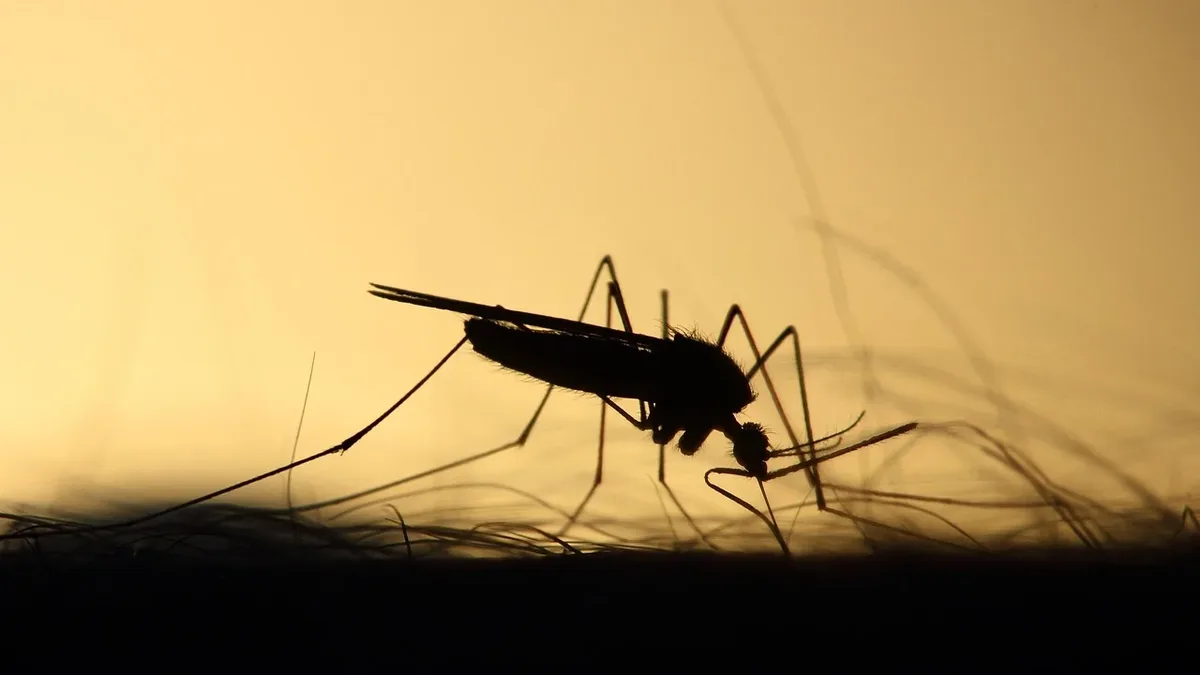
A box containing 25 paper tubes, each holding 600 Aedes aegypti mosquitoes, arrived in California's San Gabriel Valley. Tristan Hallum, who oversees scientific programs for the local mosquito and vector control district, is releasing these insects, not eradicating them.
All the released mosquitoes are males, which do not bite humans. Stephen Dobson, a professor and president of the Kentucky-based company MosquitoMate breeding the insects, explained the strategy. "I tell people it's the opposite of the human species. It's the females that cause trouble in the mosquito world," he said.
The Sterilization Strategy
The male mosquitoes carry a naturally occurring bacterium called Wolbachia. When these lab-reared males mate with wild female Aedes aegypti, the resulting eggs do not hatch. Dobson stated that females mating with these males are rendered sterile for life. The objective is to flood areas like parks and neighborhoods with these sterile males, suppressing the next generation of mosquitoes without using pesticides. The technique does not involve genetic modification.
Climate Crisis Lengthens Mosquito Season
The need for such measures is growing urgent in California. In 2023, Pasadena and Long Beach recorded the first locally acquired dengue fever cases in the state. A CDC investigation identified 14 locally acquired cases in Los Angeles county between August and November 2024, with six hospitalizations.
Climate change is creating more favorable conditions for mosquitoes. An analysis by Climate Central found nearly 95% of U.S. Cities studied now have more days each year with temperatures suitable for common disease-spreading mosquitoes compared to the early 1970s. The average increase is 18 days annually.
Hallum has witnessed this shift firsthand. What we would use to refer to as the mosquito season would only be say May to September but now we have individuals treating for mosquito control activity all year long, he said. Stephen Dobson noted mosquitoes are moving northward into historically colder areas. Warmer, more humid conditions are particularly favorable for Aedes aegypti.
Deployment and Measured Goals
The San Gabriel Valley district plans to release roughly 30,000 mosquitoes weekly, totaling just under half a million. Success will not be measured by the number released, but by the number of wild females caught in monitoring traps. Hallum's team will track female Aedes aegypti populations, which are the ones that bite and transmit disease.
Previous field studies using this method have reported substantial reductions. The Environmental Protection Agency has approved mosquito-control products using Wolbachia-infected males.
Similar approaches are used internationally by groups like the World Mosquito Program in countries where dengue is a major threat. The goal is not total eradication but reducing populations of the mosquitoes most capable of spreading illness. For Hallum, the project tests whether this method can work where mosquitoes are already established and a warming climate expands their home.