England Considers Game Bird Welfare and Release Rules
The UK government is consulting on new animal welfare laws that could license pheasant and partridge shoots and impose environmental standards.
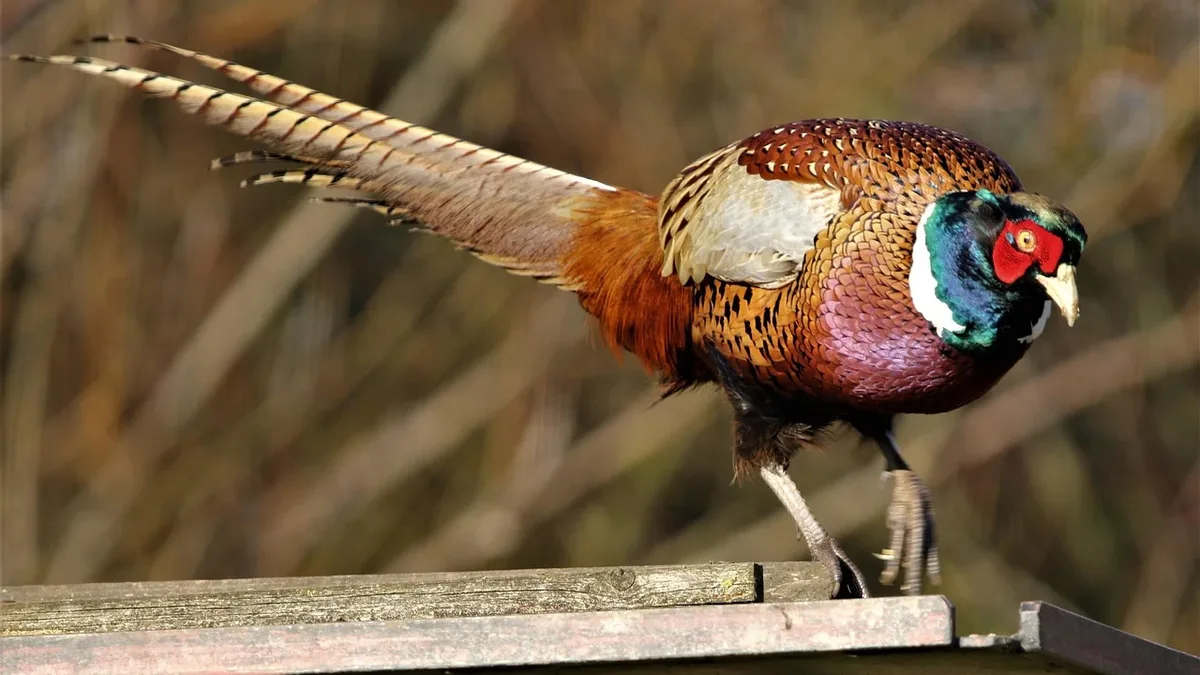
The UK government is considering a crackdown on pheasant and partridge shooting in England. New proposals could introduce licensing for shoot organizers and extend farm animal welfare standards to game birds.
Ministers are consulting on strict new animal welfare laws. The plans mean anyone linked to wildlife crime, like the poisoning of birds of prey, would be banned from hosting shooting events. The Department for Environment, Food and Rural Affairs (Defra) is leading the consultation.
Current Lack of Welfare Standards
While chickens and other farmed poultry must be kept to minimum welfare standards, these rules do not apply to game birds like pheasants and partridges. Poultry farms face regular inspections and must provide enrichment items and minimum space. Game bird rearing sites operate without such checks.
Claire Bass, director of campaigns at Humane World for Animals UK, criticized the industry. She said the shooting industry breeds millions of birds on an industrial scale, and these animals have fallen through the cracks of animal welfare law. She described birds confined in barren wire cages, suffering stress-related injuries and exposure to extreme weather.
Environmental Impact of Mass Releases
The proposed licensing scheme could also address the environmental impact of releasing millions of non-native birds. Experts say large-scale releases mean game birds compete with native songbirds for food. Their dung can pollute soil and waterways.
Dr Ruth Tingay, a co-director of Wild Justice, urged decisive action. She said putting an end to the rearing and annual release into the countryside of an estimated 60 million non-native game birds for shooting should be the government's focus. She added that if they stop that, then the associated welfare issues would also be sorted.
Political and Rural Community Reaction
Critics frame the consultation as part of a political conflict with rural areas. Tim Bonner, chief executive of the Countryside Alliance, called it a waste of time. He stated that to many in the countryside, this will seem like yet another example of toxic culture war policies. He urged the government to focus on legislating to help rural communities instead.
Defra minister Sue Hayman emphasized a balanced approach. She said gamebird shooting has been part of rural life for many years, but it is important to understand the effect it can have on wildlife, the environment and the welfare of the birds themselves, whilst supporting our rural communities. The consultation seeks evidence on effects on wildlife, disease spread, and resource use.
The consultation period is now open for submissions from the public and interested parties.