Global coral reef assessment finds 96% critically endangered
A major global assessment reveals 96% of the world's coral reef ecosystems are critically endangered, with all Australian reefs and other major systems at extreme risk of collapse by 2075 due to climate-driven ocean warming.
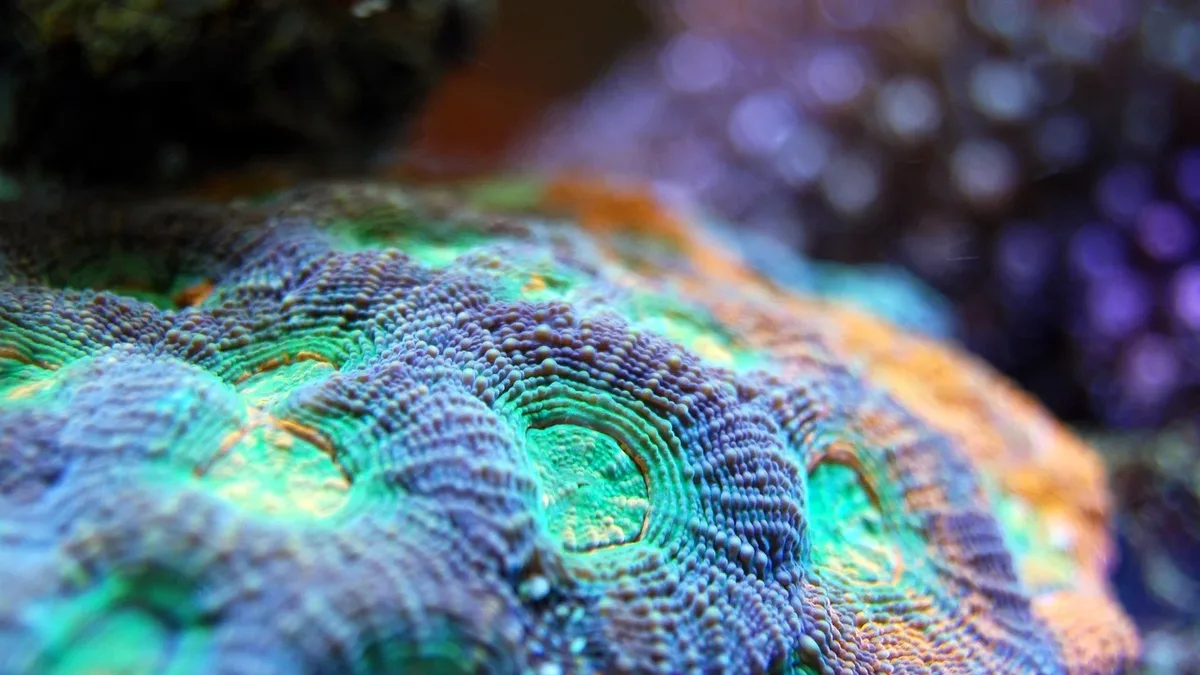
A global assessment of coral reef ecosystems has confirmed 96% are critically endangered. All 17 Australian coral reef ecosystems and the world's largest reef systems share this classification, facing a high risk of collapse by 2075.
The findings come from the Global Red List of Coral Reef Ecosystems, a collaboration coordinated by the International Union for Conservation of Nature, its Commission on Ecosystem Management, the University of Melbourne, and CORDIO East Africa. More than 250 experts contributed data from reefs in over 80 countries and territories. The results align with a recent reassessment of reef-building coral species, which found 44% are threatened with extinction.
Scale of assessment
The study evaluated 127 tropical and subtropical marine ecoregions, covering 188,362 square kilometers of reefs globally. It incorporated decades of ecological monitoring, coral reef data, and satellite observations of ocean temperatures. Major systems assessed included Australia's Great Barrier Reef, the Coral Triangle, the western Pacific, the Mesoamerican Barrier Reef, and the Red Sea.
Climate-driven collapse
Ocean warming and marine heat stress are the primary drivers of coral reef collapse. Heat stress from climate change is the single most consistent threat worldwide. Marine heatwaves cause mass bleaching events, leading to widespread coral mortality. An ecosystem is considered collapsed when its defining hard corals largely disappear, replaced by algae, rubble, and sponges.
Regional variations and threats
While the global picture is dire, regional differences exist. In East Asia, 20% of coral reef ecosystems are critically endangered based on observed changes over the past 50 years. The Northern Red Sea reefs are classified as vulnerable, not critically endangered, due to their strong thermal tolerance. Beyond climate, local pressures are severe. Overexploitation of key fish groups like parrotfish and grouper threatens 63% of ecosystems. Coastal development, pollution, overtourism, industrial activity, aquaculture, storms, freshwater flooding, and crown-of-thorns starfish outbreaks also pose significant threats.
Local management limits
Australian reefs illustrate the limits of local conservation. Ben Fitzpatrick, director of Oceanwise Australia and an adjunct research fellow at the University of Western Australia's Oceans Institute, noted that while Australian coral reefs can respond well to local management, climate change impacts are overwhelming these gains. Those impacts are expected to intensify. The Intergovernmental Panel on Climate Change's middle-of-the-road scenario projects 2.7°C of atmospheric warming by century's end, driving continued ocean surface temperature increases.
The assessment's lead scientist, University of Melbourne research fellow Mishal Gudka, stated the risk of coral reef collapse is escalating. Gudka emphasized that the current window to scale up conservation and climate efforts is critical. The share of critically endangered ecosystems would be even higher if not for four ecoregions listed as data deficient. The Western Galápagos Islands have been classified as collapsed since the 1982-83 El Niño event. Based solely on observed degradation over the past half-century, excluding future projections, 24% of coral reef ecosystems are already critically endangered. Coral reefs support around a quarter of all marine species despite covering less than one percent of the ocean floor. The critical window for action is now.