Nickel mining in Sulawesi drives deforestation in indigenous lands
Satellite analysis shows nickel mining in Indonesia's Sulawesi has caused widespread deforestation in primary rainforest.
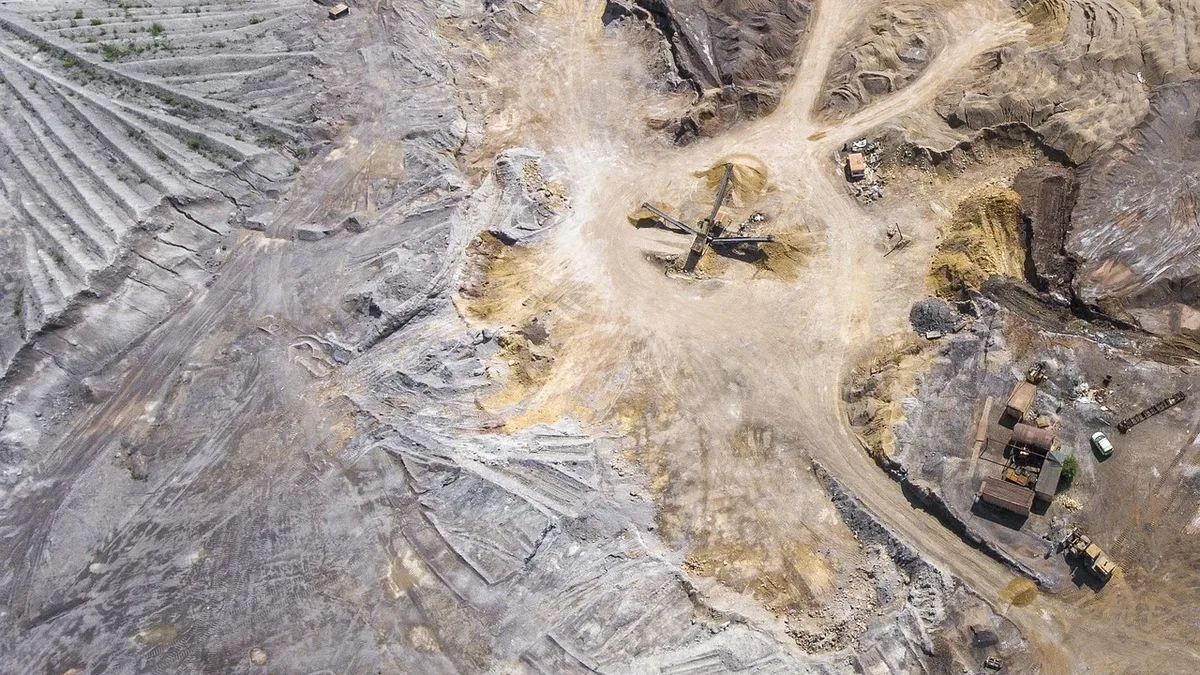
Nickel mining in Sulawesi is driving deforestation in indigenous territories, with ore flowing to major electric vehicle battery suppliers. Satellite analysis shows the Cahaya and Hengjaya mines have led to widespread deforestation of primary rainforest in nickel-rich lands inhabited by the indigenous Tolaki people. The mines are situated in forests classified as production forests, which are areas intended for forestry rather than industrial activities.
Spatial analysis indicates nickel mining may account for two-thirds of the forest loss since 2001 in the Cahaya concession and over half in the Hengjaya concession. The Cahaya concession itself covers 21,000 hectares. Sulawesi Cahaya Mineral, the operator of the Cahaya mine, cleared an additional 330 hectares of forest in 2024. The company received two administrative sanctions last year for illegally clearing more than 450 hectares of forest beyond its permitted area.
Indigenous Tolaki communities impacted by forest destruction
The Tolaki people are indigenous to Sulawesi and live near the Cahaya concession. A Tolaki elder named Wadimula, whose home sits on the edge of the 21,000-hectare mining area, stated that destroying the forest means destroying their own life. He recalled that communities used to ask the forest for protection in return for their offerings.
Ore from mines flows to Huayou and CATL for EV battery production
Ore from the Cahaya and Hengjaya mines is traced through regional smelters and Chinese processing plants run by Zhejiang Huayou Cobalt. Processed ore was transported overland to Huayou cathode manufacturing sites in Quzhou, near Shanghai, and Yulin, near the border with Vietnam. Huayou confirmed group-level supplies to CATL, the world's largest battery maker, in response to a regulatory inquiry by the Shanghai Stock Exchange in 2024. A downstream subsidiary of Huayou confirmed the supply of large quantities to CATL.
SCM is a subsidiary of Merdeka Battery Materials, part of a group whose shareholders include Huayou and CATL. The company delivered 11 million tonnes of limonite ore to a Huayou smelter in 2024, which was almost all of its production. These ore supplies increased to nearly 12.5 million tonnes throughout 2025. Huayou also supplies LG, a South Korean group that supplies battery products to leading carmakers via Poland.
Automakers acknowledge nickel supply chain risks but limit transparency
End-users of Huayou cathodes or recipients of CATL shipments include Volkswagen, Volvo, Ford, General Motors, Tesla, BMW, Stellantis, and Hyundai. Mercedes-Benz was separately linked to Huayou. Many of these companies acknowledged significant risks but provided limited details on their specific supply chain links or audit results.
Volkswagen stated it could not rule out that the companies may fall within its supply chain and takes potential risks very seriously, but cited contractual obligations for not disclosing specific supplier details. Ford said it is committed to protecting human rights and the environment and is reviewing the allegations to determine next steps. Mercedes-Benz said it takes reports of environmental and social harm seriously and assesses them as part of risk-based due diligence.
General Motors stated it is aware that nickel mining in Indonesia presents significant environmental, human-rights and community-related risks. Stellantis acknowledged awareness of the environmental and social challenges, including risks related to deforestation and biodiversity loss. Hyundai said it recognises the importance of protecting forests and local communities and regularly monitors suppliers. Renault Group identified a nickel mining site in Sulawesi as an indirect supplier and has engaged with partners to verify ESG information. Volvo Cars said it conducted onsite audits on suppliers in Indonesia in 2025, with further audits planned. CATL, Huayou, SCM, and Tesla did not respond to requests for comment. Tsingshan, the main shareholder of Nickel Industries which operates the Hengjaya mine, also did not respond.
Global nickel demand rise tied to Indonesian mining and Chinese refining
The International Energy Agency forecasts global nickel demand could double by 2040 to 5.5 million tonnes. Much of this demand growth will be met by mining in Indonesia and refining in China. A study published last year found that the carbon footprint of nickel from the worst mines may be up to 500 times greater than previously reported due to deforestation. Successive Indonesian governments have weakened environmental safeguards and carved out exemptions for miners as demand for nickel has soared. SCM delivered 11 million tonnes of limonite ore to Huayou’s smelter in 2024, increasing to nearly 12.5 million tonnes in 2025.