Wetland plant thrives with managed cattle grazing on River
The trifid bur-marigold, a vulnerable wetland plant, has prospered this year along the River Nene due to ideal conditions created by managed cattle
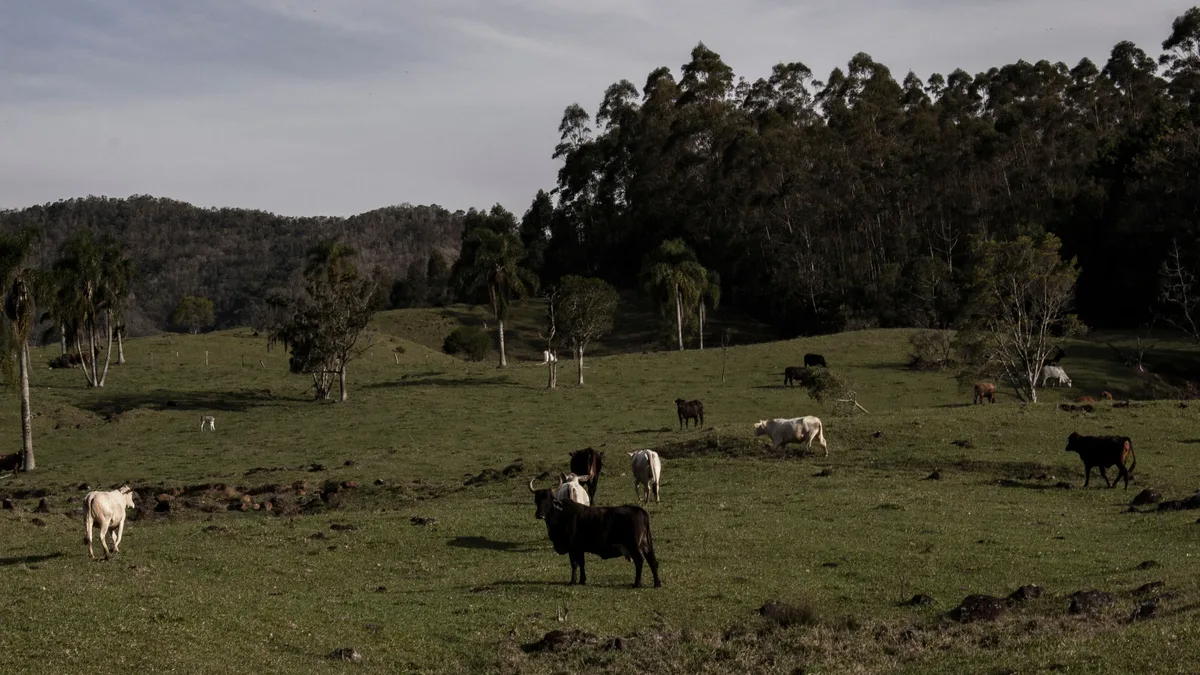
The trifid bur-marigold, a plant classified as vulnerable in Great Britain, is thriving this year along the margins of the River Nene. Its success is attributed to a carefully managed cattle grazing regime implemented by the site's owner, the Nene Park Trust.
Following a night of storms, the air by the river was fresh with scents of damp grass and earth. Observer Sarah Lambert noted the contrast between the bright, flower-filled river margins and the surrounding scorched gold fields. The main river was slow and silent, but its edges were embroidered with purple loosestrife, marsh woundwort, water mint, water forget-me-not, and celery-leaved buttercup.
A vulnerable plant's comeback
Among these, the trifid bur-marigold stood out with its understated, button-like golden flowers. The plant's name derives from its mostly three-part leaves and fruits tipped with barbed bristles, designed to hitch rides on animals or humans. Once familiar in seasonally flooded areas, it has declined nationally due to factors like drainage and the canalisation of watercourses.
This year, however, it has prospered. Endless days of sunshine and warmth, combined with ready access to water, allowed for unusually lush growth. As an annual species, it requires bare, damp mud in spring for seed germination. This precise condition was created along the river's edge by the poaching activity of Red Ruby Devon cattle.
The conservation dilemma
Management that benefits one species can trouble another. Excessive cattle trampling erodes riverbanks, and loosened silt can choke the clean gravels used by spawning fish. Conversely, completely fencing livestock out allows vigorous perennial plants to take over the muddy margins, which excludes the bur-marigold. The Nene Park Trust faced this direct conflict.
A Goldilocks solution
The trust's solution was a simple gated fence set well back from the water's edge. This arrangement allows for measured doses of cattle grazing. Lambert described it as a "Goldilocks arrangement: not too much disturbance, not too little, but just enough for this golden-flowered plant to keep its place beside the river." The managed disturbance creates the ideal bare mud habitat the bur-marigold needs without causing excessive erosion or siltation. The plant's barbed fruits remain ready to catch a lift on passing cattle, dogs, or otters, ensuring its continued spread in this managed stretch of wetland.