Wester Ross Scallop Dredging Ban Revives Ancient Maerl
A decade-long ban on scallop dredging in a 600 sq km Wester Ross marine protected area has enabled a dramatic recovery of 9,000-year-old maerl habitats and scallop stocks, according to local experts and citizen science data.
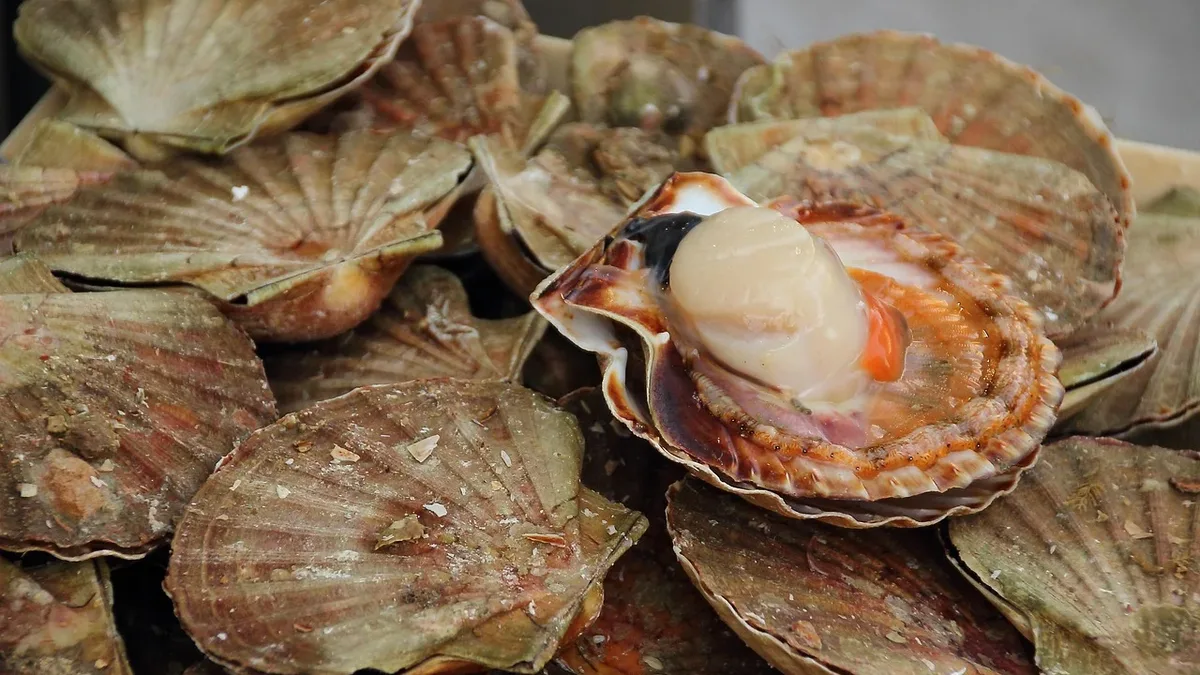
A ban on scallop dredging across a 600 square kilometre marine protected area in Wester Ross has been in place since 2016. The measure, enacted after opposition from the dredging lobby, is now showing significant ecological recovery after ten years.
What the Maerl Is and Why It Matters
The protected maerl habitat in Wester Ross is 9,000 years old. Two of its beds are each a mile long. This coralline algae forms a complex, three-dimensional seabed structure that maintains high oxygen levels and emits a chemical signal that attracts scallops, supporting a wealth of marine life.
A single pass of scallop dredging gear can crush or bury up to 70% of this fragile habitat. Jason Hall-Spencer, a professor of marine biology and author of a report on maerl, states the dredge ban has protected maerl to a massive extent. He warns that had dredging continued for the past decade, the habitat would have been obliterated.
Local Voices and Observed Recovery
Local residents and fishers report a visible transformation. Alasdair Hughson, a scallop diver and chair of the Scottish Creel Fishermen’s Federation, said, "The recovery of scallop stocks has been massive and the seabed transformation like night to day." His company, Keltic Seafare, which supplies UK restaurants, used to spend only two weeks a year hand-diving for scallops in the Summer Isles. Now, the creel boat Donna Marie operates there almost year-round.
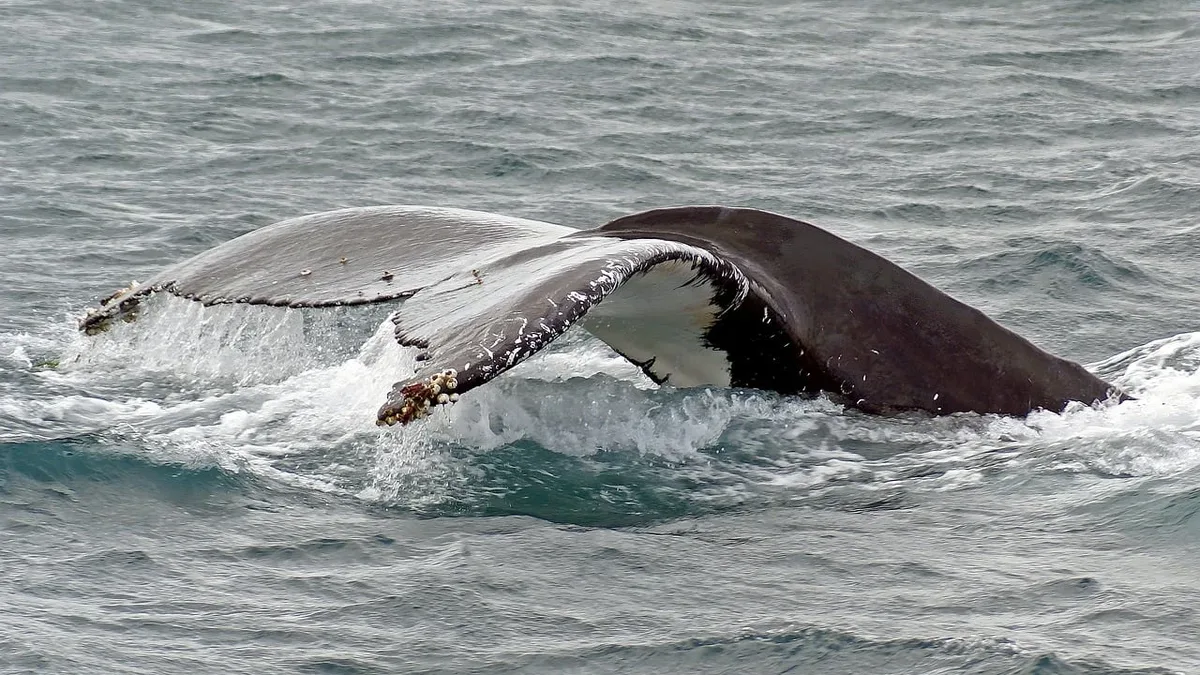
The community also reports increased sightings of whales, dolphins, and porpoises. Theresa Ross, who runs Achiltibuie Stores, notes the local economic shift, with more people now working on fish farms than in fishing in her village.
Permitted activities within the MPA are strictly regulated.
Ongoing Threats and Citizen-Led Monitoring
Despite the ban, threats persist. Surveys by the Blue Hope Alliance, a local citizen science group, have identified maerl damaged by illegal dredgers. The same surveys note invasive algal growth in some locations, potentially linked to nutrients from salmon farms. The BHA is now running a three-year monitoring project funded by over £153,000 from the National Lottery Heritage Fund and other sources.
Celebration and Future Action
The community recently celebrated this protection milestone at a bothy in Achiltibuie, decorated with fish-shaped lanterns. The event launched a decade-spanning BHA report and was part of the Maerl-Herring festival. The Wester Ross MPA is now considered the biggest protected area in the world for maerl.
This local success comes as marine protections face national scrutiny. In June, the Scottish government was criticised by Environmental Standards Scotland for not fulfilling its legal duty to restore and protect the seabed. The government has now launched a public consultation on improving protections for marine habitats and species inside and outside the MPA network.