Living Planet Report 2026 reveals 73% wildlife population decline since 1970
The World Wildlife Fund's Living Planet Index shows an average 73% drop in monitored vertebrate populations from 1970 to 2022, driven by habitat loss and financial flows that harm nature. While targeted conservation has helped some species recover, WWF warns systemic change is urgently needed to meet 2030 biodiversity targets.
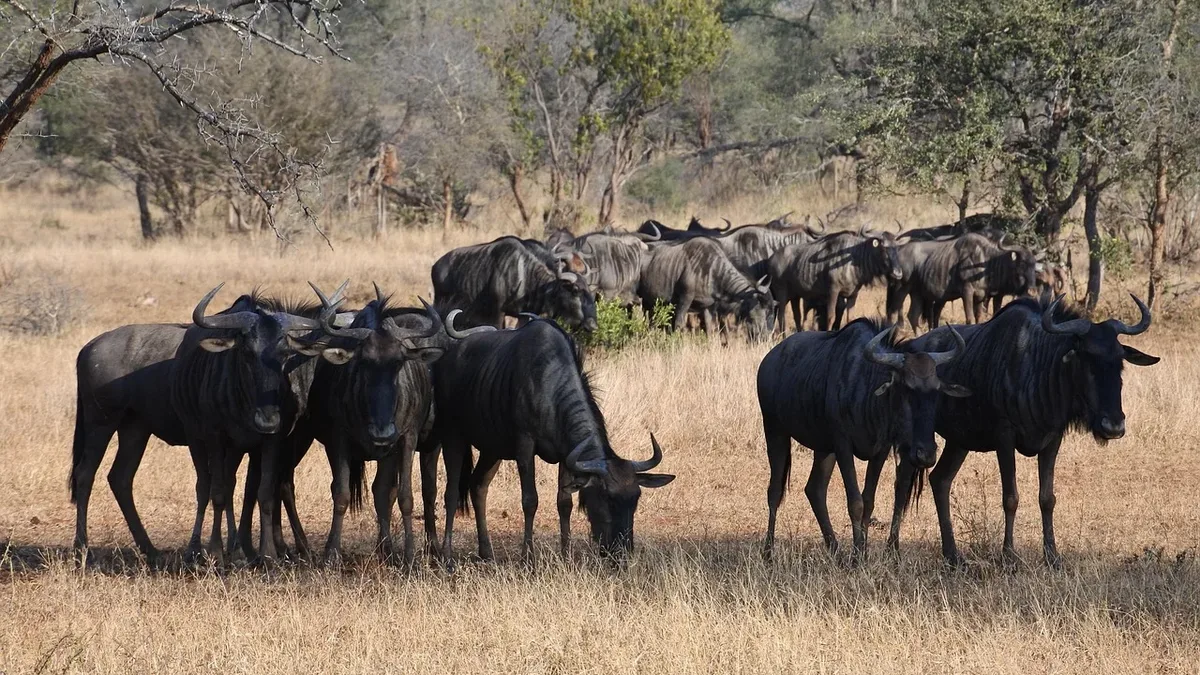
Global wildlife populations have declined by an average of 73% since 1970. The Living Planet Index, a benchmark created by WWF and the Zoological Society of London, tracks 35,803 populations of 5,790 vertebrate species from mammals and birds to fish, reptiles and amphibians. This represents an average drop of 2.5% per year over five decades. Freshwater species have been hit hardest, with their populations falling 85%.
Habitat loss and finance drive the crisis
Habitat loss and degradation are the primary drivers of this catastrophic biodiversity loss. The financial system is accelerating the crisis. In 2023, a staggering $7.3 trillion of public and private finance was funnelled into activities that harm nature. This figure is 30 times higher than the $220 billion that flowed into activities protecting or restoring nature.
The breakdown of these harmful financial flows reveals a stark picture.
| Source | Amount (2023) | Primary Use |
|---|---|---|
| Private finance | $4.9 trillion | Nature-negative activities |
| Public subsidies | $2.4 trillion | Harmful activities |
| - of which, fossil fuels | $1.1 trillion | Subsidies |
| - of which, intensive agriculture | $0.4 trillion | Subsidies |
Overexploitation, climate change, pollution, invasive species and disease also pose significant threats. Terrestrial ecosystems have declined 69% over the past 50 years, while marine ecosystems have declined 59%. Species are now going extinct at least 100 times faster than the pre-human rate.
Signs of hope amid systemic challenges
Targeted conservation efforts have proven they can reverse declines. The number of wild tigers rose over 70% between 2010 and 2025, from about 3,200 to roughly 5,700. After 50 years of work across approximately 80 nesting countries, green sea turtles moved from 'endangered' to 'least concern' on the IUCN Red List in 2025. Some southern African populations of African savannah elephants are growing due to community-led land management, though the species remains endangered overall.
WWF emphasized that these successes represent 'powerful demonstrations of hope at work across individuals, communities and institutions, built through years of coordinated effort'. However, the organization warns that conservation efforts alone are insufficient. Kirsten Schuijt, director general of WWF International, and other leaders argue the scale of the challenge demands a fundamental, system-wide overhaul across society.
Leveraging finance and food systems for transformation
The report highlights the concept of 'positive tipping points', where systems pass a critical threshold and change becomes self-amplifying. Social contagion, economies of scale, political support and technological reinforcement can accelerate progress. Two key leverage points are the global food system and the financial sector.
The global food system accounts for around 30% of greenhouse gas emissions and is the largest single driver of biodiversity loss through habitat destruction. Three connected elements could tip it toward restoration: a transition to nature-positive production, a shift to healthy and sustainable diets, and a reduction in food loss and waste.
The financial sector serves as the connective tissue of the global economy. WWF identified levers to shift its incentives, including regulation for climate- and nature-related risk assessment, customer and shareholder pressure, strong data for disclosure, and the economics of the green transition making sustainability the smart financial choice. Progress in some areas offers a model. Solar is now the cheapest source of new electricity in most countries. Electric vehicles made up 24% of new car sales worldwide in 2024.
Global policy moments ahead
Current progress is well short of the 2030 targets set by the Kunming-Montreal Global Biodiversity Framework and the Paris Agreement. The phase-out of fossil fuels remains in early stages globally, though it is accelerating in some markets. More than 100 businesses and financial institutions have called on governments to reform subsidies and incentives that cause harm to nature. This appeal comes ahead of COP17, the biodiversity conference running from October 19 to 30 in Yerevan, Armenia.
The economic case for action is clear. Analysis from PwC in 2023 stated that 55% of global GDP is dependent on nature. Other analyses have put the figure even higher. Over 100 businesses and financial institutions called on governments to reform subsidies and incentives that cause harm to nature, ahead of COP17 later this month.