Colonial land use transformed southeastern Australia’s fire-prone forests
A new study reveals colonial disruption of Indigenous fire management triggered a fourfold increase in eucalypt cover, transforming open woodlands into dense, flammable forests long before climate change amplified wildfire risk.
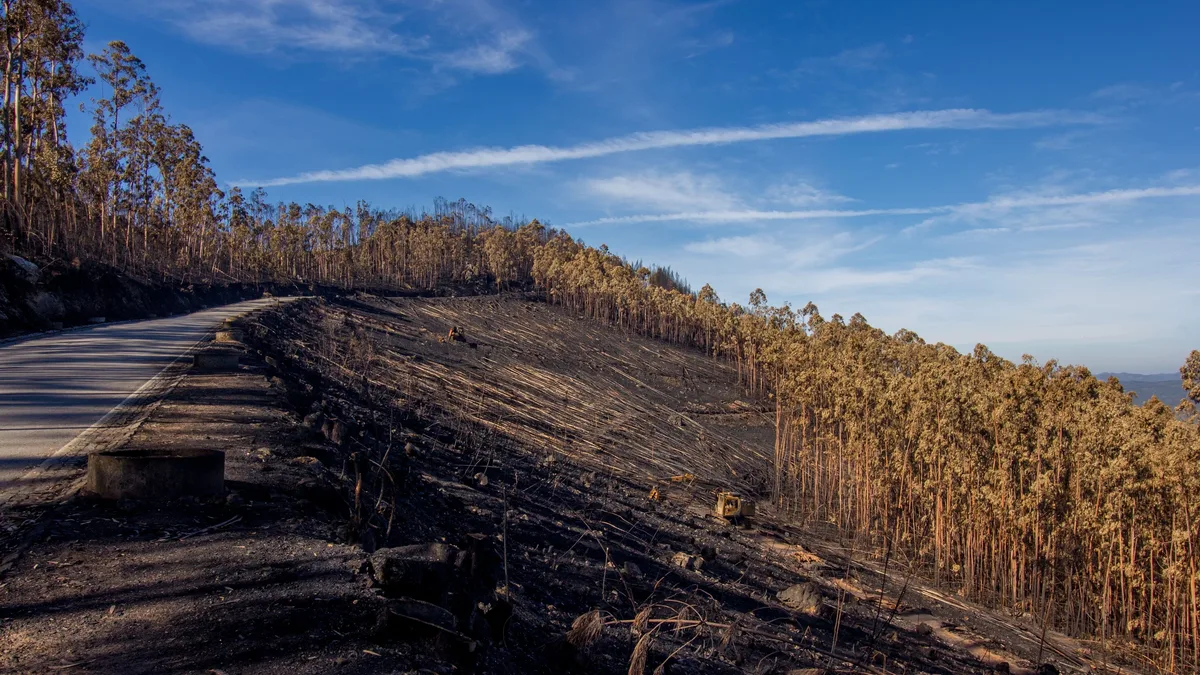
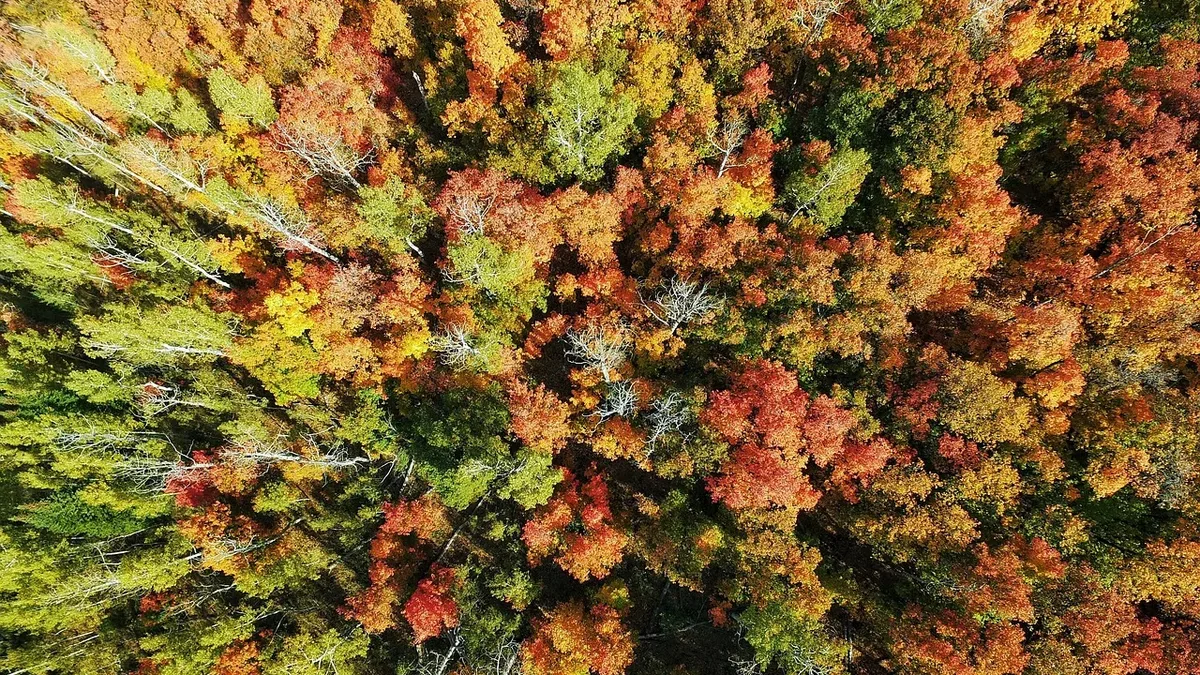
Colonial disruption after 1788 replaced Indigenous cultural burning with hot wildfires, triggering a fourfold increase in eucalypt cover and forest expansion in southeastern Australia. This transformation, driven by cascading changes including increased fire temperature and soil erosion, loaded the landscape with fuel and heightened its vulnerability to modern megafires.
Infrared analysis of charcoal in lake sediments shows cool cultural fires, maintained by the Indigenous Gunaikurnai people, were replaced by hot wildfires after colonization. Before the British invasion, Gunaikurnai fire use maintained stable, open woodlands through frequent, fine-grained burns between 200 and 300 degrees Celsius. Colonial frontier violence and massacres displaced the Gunaikurnai, suppressing these practices. A decisive break in the fire regime occurred around 1867 CE, after which fire temperatures increased sharply. Quantitative land-cover reconstruction confirms a fourfold surge in eucalypts, which thickened once-open woodland into forest.
Evidence from the land
Lake sediment records from Croajingolong National Park in East Gippsland show these ecological shifts began before human-driven climate change. The research, led by Michael-Shawn Fletcher of the University of Melbourne in partnership with the Gunaikurnai Land and Waters Aboriginal Corporation, reconstructed the past 1,000 years of vegetation, fire, and erosion. The park has long been treated as pristine wilderness but is now one of the most fire-prone and repeatedly burned parts of southeastern Australia. The forest protected there is in fact a product of colonization.
These transformations preceded anthropogenic warming, indicating that the vulnerability of these forests to wildfire is shaped by colonial land-use legacies. The thousand-year sediment record from Purghagoolah in Gippsland, Victoria, and all associated data on pollen, charcoal, and land cover are now publicly accessible without restriction in the PANGAEA repository. Precise archaeological site coordinates are withheld to protect Indigenous Cultural and Intellectual Property and Indigenous Data Sovereignty.
Pathways to resilience
Restoring Indigenous-led cultural burning is essential to reversing fire-prone landscapes and mitigating future wildfire risk. The paper concludes that supporting Traditional Owners to care for Country is fundamental. By creating more flammable landscapes, colonial land use amplified the influence of climate change. This suggests a reinforcing feedback loop where high-intensity wildfires raise fuel loads and further increase the likelihood of climate-driven fire.
Integrating Indigenous knowledge into fire management is therefore critical to restoring resilience. The Gunaikurnai Land and Waters Aboriginal Corporation published its Whole-of-Country Plan in 2015, and subsequent research has focused on reinvigorating cultural burning practices in Victoria. Michael-Shawn Fletcher said: "When Country is cared for, climate does not dictate wildfire."
GunaiKurnai elder Uncle Russell Mullett, from the Gunaikurnai Land and Waters Corporation, emphasized the consequences of neglecting these practices. "Not treating country with towera, country becomes extremely dangerous for GunaiKurnai, animals and plants," he said. Supporting Traditional Owners to care for Country through cultural burning is essential for mitigating wildfire risk.