Lithium mining threatens Chile's Atacama salt flat ecosystem
A report details the environmental threat lithium extraction poses to Chile's Atacama salt flat, while Guinea-Bissau adopts a long-term conservation plan for a vital coastal landscape.
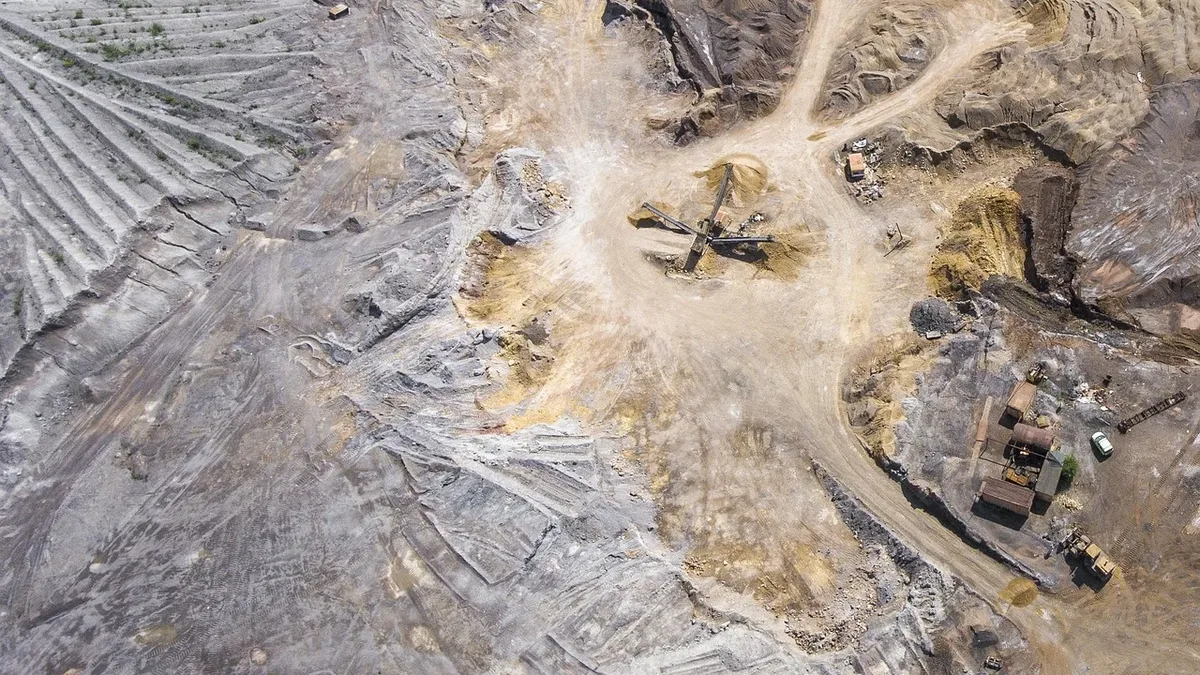
The push for green technology is creating environmental pressures in unexpected places, from the lithium-rich salt flats of Chile to the coastal wetlands of West Africa. One story examines the ecological cost of mining a key battery metal, while another details a new multinational conservation framework.
Lithium Extraction in the Atacama
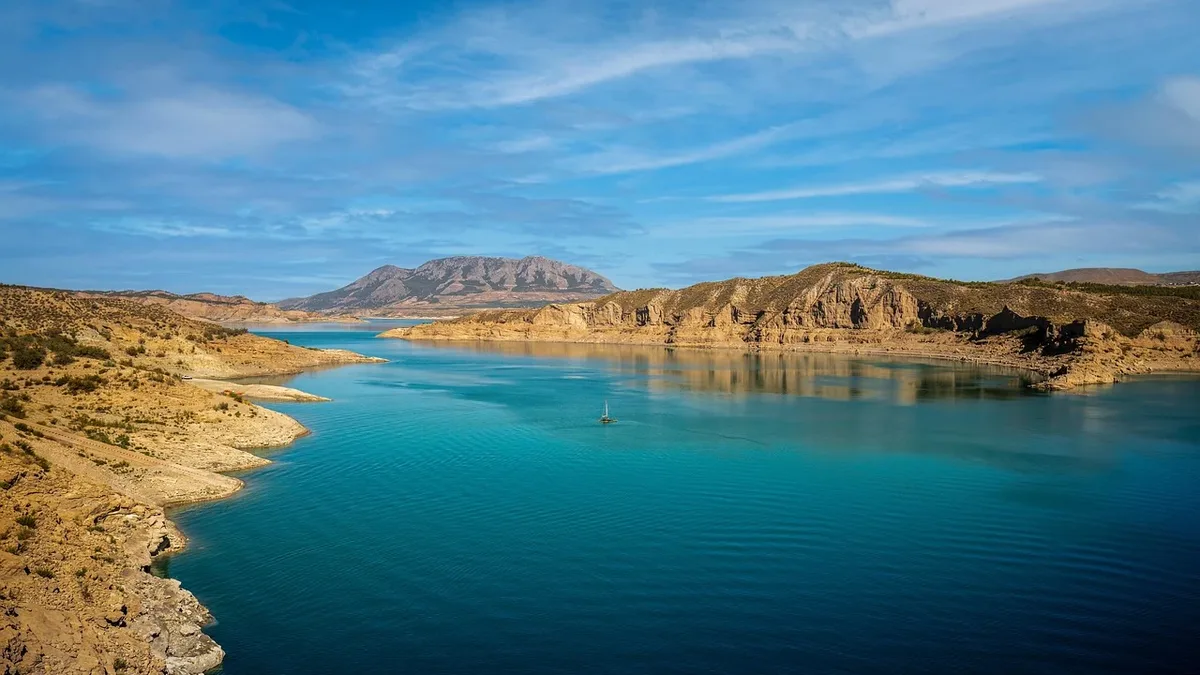
The Salar de Atacama in Chile holds nearly one-quarter of the world's lithium reserves, a metal essential for rechargeable batteries in the transition away from fossil fuels. The extraction process, however, threatens the fragile water systems and unique ecosystems of this high-altitude desert, which is the world's third-largest salt flat. Mining companies pump underground brine to vast surface ponds, where natural evaporation over 10 to 24 months concentrates lithium levels from 0.15% to 6%.
This so-called mining of water is intimately linked to the very conditions that created the deposit. The closed basin, or endorheic system, allows water carrying leached lithium to pool and evaporate, leaving behind concentrated brine. The region's polyextreme environment, characterized by intense aridity and high solar radiation, hosts specialized life forms despite appearing barren. The process, while low-cost, imperils the local hydrology that sustains both indigenous communities and species like flamingos. The dilemma presents a microcosm of a global conflict where actions to mitigate climate change can create severe local environmental damage, transforming landscapes in ways that may be irrevocable.
Guinea-Bissau's Coastal Conservation Plan
The plan, signed by the Director-General of the Institute for Biodiversity and Protected Areas and the Governor of the Cacheu region, aims to strengthen ecosystem conservation and community resilience through 2045. It focuses on five areas: governance, communication, conservation, sustainable livelihoods, and long-term financing.
The landscape supports rich biodiversity including the West African manatee and Atlantic humpback dolphin, but faces pressures from unsustainable resource use and climate change. The programme provides a shared strategic framework developed through a participatory process involving local communities, civil society, and public institutions. This institutional commitment also advances the goal of securing UNESCO Biosphere Reserve designation for the area. In a related move, the environment ministers of Guinea-Bissau and Senegal signed a cross-border cooperation agreement in October to support the integrated management of their shared coastal zone, aiming to create a cross-border biosphere reserve.