Beekeepers urge UK campaign against Asian
British beekeepers warn the invasive Asian hornet is creating 'pollinator deserts' and threatening food security, calling for a national awareness
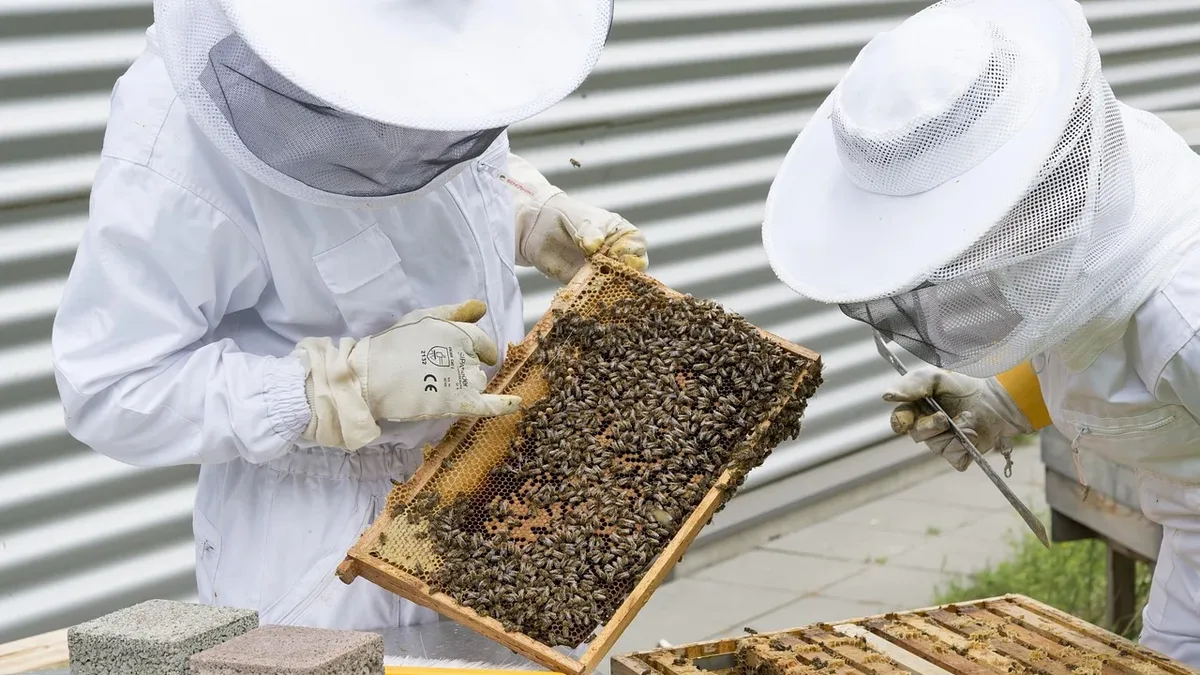
British beekeepers are calling for a national awareness campaign, warning that the invasive Asian hornet is creating 'pollinator deserts' and poses a threat to food security. The yellow-legged hornet, native to south-east Asia, is thought to have arrived in Europe in 2004 and its spread is likely being boosted by increasingly warm springs and summers.
Kate Wilson, head of the government's National Bee Unit (NBU), stated that these hornets cause significant damage to native pollinators, including honeybees. Lucie Chaumeton, a trustee of the British Beekeepers Association (BBKA), emphasized that the real cost extends beyond beekeeping to human safety, pollination, and biodiversity.
The strategy of nest destruction
The UK's strategy focuses on destroying nests to prevent the hornets from becoming established. Missing just one nest can sustain a colony and lead to new ones. An indicator of the strategy's work is the number of nests found and destroyed. In 2025, the NBU destroyed a record 161 nests.
Despite these efforts, there is evidence the species is establishing itself. Genetic analysis of nests found in 2024 confirmed that queens had successfully mated, survived winter, and founded new nests the following year. This makes the period when queens emerge from hibernation a critical time for intervention.
Public vigilance is essential
The Animal and Plant Health Agency (Apha) says the public and beekeepers play a key role. Public reports help identify suspected hornets, while BBKA volunteer teams help confirm sightings and track nests. The NBU is then responsible for destruction.
Chaumeton praised the NBU's effectiveness but stressed it 'relies entirely on members of the public reporting sightings.' The scale of public involvement is significant. In 2024, nearly 30,000 reports were submitted, leading to the identification of 24 nests. Modelling suggests public reporting is essential for control, with eradication depending on how quickly new incursions are detected.
Calls for broader recognition and resources
Chaumeton argued that Asian hornets are still seen as a 'beekeeping issue' rather than a national biodiversity threat. 'Beekeepers cannot do this on their own. We urgently need more government-led national awareness campaigns so everyone in the country understands the threat,' she said.
Apha is testing technology to improve capacity. In 2025, it trialled radio transmitters attached to hornets to locate nests. Researchers are also testing an artificial intelligence system called VespAI to identify the hornets visually.
The current volunteer-based system destroyed all identified nests, but the high number found last year raises questions about its ability to scale up. Chaumeton called for a clear multi-year commitment from successive governments to continue eradication efforts. Wilson encouraged the public to remain vigilant and report potential sightings using the Asian Hornet Watch app and online reporting tools.