Cornwall's Fal River project unites farmers
A Cornwall council initiative is tackling agricultural runoff and sewage pollution threatening ancient maerl beds and oyster fisheries in the River Fal.
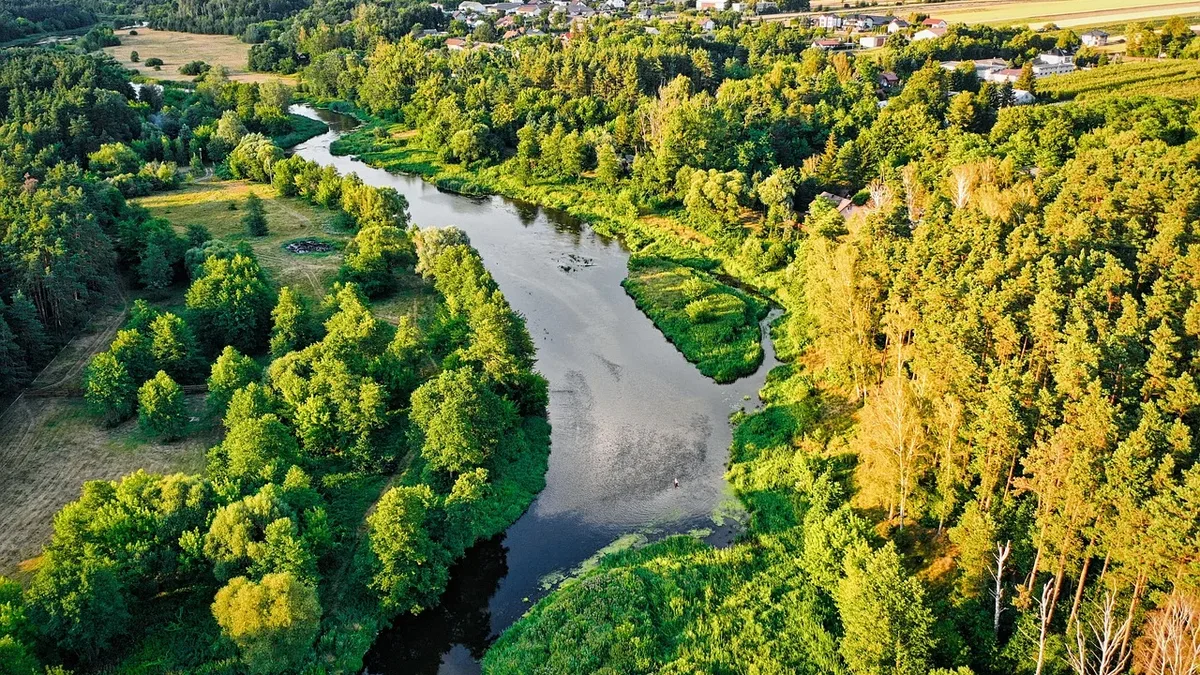
Volunteer divers have documented a worrying deterioration in the 4,000-year-old maerl beds within Falmouth's Carrick Roads. These rare, coral-like seaweed habitats are being smothered by algal blooms fueled by excess nutrients from farm runoff and sewage in the River Fal's catchment.
The Cornwall Wildlife Trust is backing a new council-led initiative called Fal Rivers to Reef. It aims to restore nature and reduce pollution across 22,000 hectares from the river's source in Goss Moor to Falmouth. A key driver was 2022 government data identifying rural farm pollution and wastewater as the reason the Lower River Fal failed to achieve good ecological status.
Matt Slater, marine conservation officer at the trust, says nutrient pollution creates mats of algae that smother seagrass. The trust has temporarily canceled a seagrass restoration project until water quality improves. "We know that small changes by farmers can make a big difference in reducing runoff," Slater states.
Farmers adopt new practices
About 14 miles upstream at Gare farm, tenants Claire and Martin Tupper are taking steps to improve soil and stop runoff with the project's help. They use herbal leys-mixtures of grasses, clover, and herbs-to cut fertiliser use and improve drainage. They have also relocated a gate causing excess runoff and are restoring a neglected ancient orchard for biodiversity.
"You want to do the right thing but you don't necessarily know the right people to talk to," says Claire Tupper. "The support has been invaluable." The council runs workshops and boat trips to connect farmers, fishers, and conservationists.
Beavers act as natural silt traps
Beef farmer Chris Jones has introduced beavers to an enclosure on his land. Since 2017, he says the animals have reduced flooding in Ladock village by cutting peak water discharge by half. They have also improved native oyster beds downstream by trapping silt.
Jones demonstrates by wading into the beaver enclosure and lifting his walking stick, coated with 60cm of trapped silt and mud. "These little dams act as silt traps; the silt is associated with nitrates and phosphates and pathogens," he says. He calls beavers a cheap, nature-based solution for better water quality.
Jones is applying for a licence to release 150 beavers into Cornwall. He acknowledges farmers' fears about damage but says concerns can be addressed.
Tree planting creates buffers
At Court farm in Philleigh, arable farmer Jim Pascoe and his daughter Amie are among 48 landowners in the project cluster. They have planted 100 fruit trees and 5.5 hectares of new woodland with the help of the Forest for Cornwall scheme, extending a buffer to stop runoff.
"Forty or 50 years ago, you ploughed every ditch, every bit of land you could get your hands on," says Jim Pascoe. The council recently won £8.7 million in additional government funding for the tree-planting mission.
The Pascoes have also built a two-mile public walkway through ancient woodland to the estuary's edge. "I wanted to share that," says Amie Pascoe of the landscape she has enjoyed her whole life.
Neighbour Philip Marsden, who turned 18 hectares into woodland and meadows, says the project's success lies in being farmer-led. "Farmers don't have time to look into funding. There is huge untapped potential for nature recovery," he notes.
Philippa Hoskin, nature recovery manager at Cornwall council, says her team's ability to "speak farmer" has helped communities engage. The source-to-sea initiative may face obstacles, including a proposed development at Falmouth Docks. For now, the joined-up approach is showing benefits.
Cornwall's cabinet member for environment, Loic Rich, says, "Here, you've got the people with the vision, you've got the farmers, you've got the fishers."