Mozambique's Zambezi Delta loses mangroves
Satellite data shows significant mangrove loss in Mozambique's vital Zambezi Delta, with heavy sand mining as a primary cause.
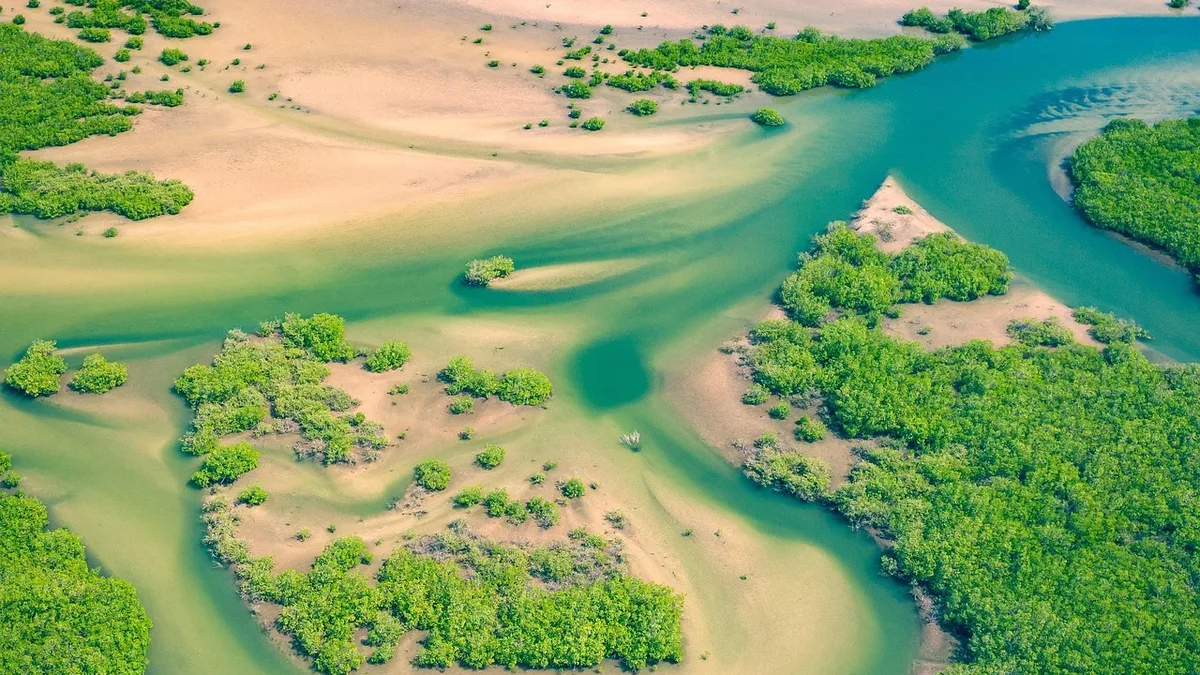
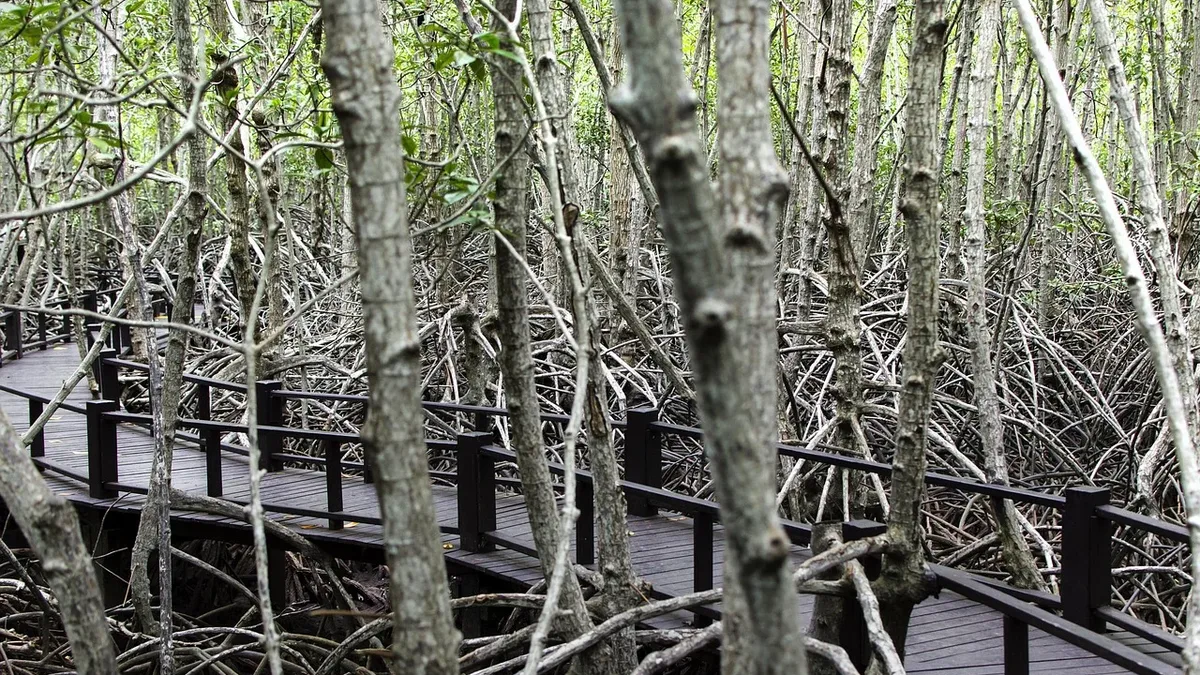
Recent satellite analysis has uncovered a significant loss of mangrove habitat in Mozambique's Zambezi Delta. The data, from the Global Mangrove Watch platform, points to heavy sand mining as a key driver of this environmental degradation.
This delta is one of Africa's most expansive and ecologically important mangrove systems. Because of its immense value, the Zambezi Delta was designated a Wetland of International Importance under the Ramsar Convention in 2004. Mozambique has only two such Ramsar Sites.
The Scale and Cause of Loss
The full story, published on Mongabay, identifies the cause as heavy sand mining. Sand is the world's second-most exploited natural resource after water. Marine sand is a staple for construction, and global reserves are being depleted at unprecedented rates. There is no global standard for sand extraction.
Mining in these areas is harmful to both people and nature. Disturbing these ecosystems threatens biodiversity and undermines community resilience and national climate commitments. Wetlands International states that mangroves are not expendable but are essential, and their protection must be a national and global priority.
The organization recommends that when sand mining is unavoidable, companies should consult local environmental experts on the least invasive methods. For example, unblocking channels or creating alternative canals to restore water flow might help revive degraded mangroves.
Why the Zambezi Delta Matters
The Zambezi Delta is one of the world's most diverse and productive river delta systems. Mozambique harbors the largest extent of mangroves in the Western Indian Ocean region, with its coastline containing around 10% of Africa's mangroves. The Zambezi Delta itself contains 16% of Mozambique's mangroves and is the country's largest continuous mangrove area.
These ecosystems are powerful carbon sinks. Mozambique's mangroves sequester over one third, specifically 39%, of the country's annual fossil fuel emissions. The Zambezi Delta is a blue carbon hotspot, storing high amounts of carbon in mangrove biomass and sediment.
Coastal wetlands like these provide critical protection against sea level rise and storm surges. This service will become more vital as climate change intensifies. Mangroves also support the livelihoods of people in coastal areas, including an estimated 400,000 people who directly depend on mangrove-associated fisheries in Mozambique.
The economic value is substantial. Mozambique's mangroves have been estimated to provide $7 billion in annual net benefits to the national economy.
Biodiversity of the Delta
The Delta supports a significant population of large mammals. These include the African buffalo, elephant, hippopotamus, lion, and leopard. It also hosts a large concentration of waterbird species.
About the Global Mangrove Watch
The Global Mangrove Watch is an online platform that provides remote sensing data and tools for monitoring mangroves globally. It offers universal access to near real-time information on changes to mangrove habitats.
With high-resolution data on topography, soil conditions, and hydrology, GMW gives coastal managers, conservationists, and policymakers the evidence needed to respond to loss, pinpoint causes, and track restoration. It is a tool designed to help make mangroves central to climate mitigation, adaptation, and sustainable development plans. The platform's alerts were crucial in identifying the recent degradation in Mozambique.