BYU researchers map rock glaciers for drought water supply
Brigham Young University geologists are studying rock glaciers in Utah and Colorado as potential late-summer water sources during the ongoing megadrought.
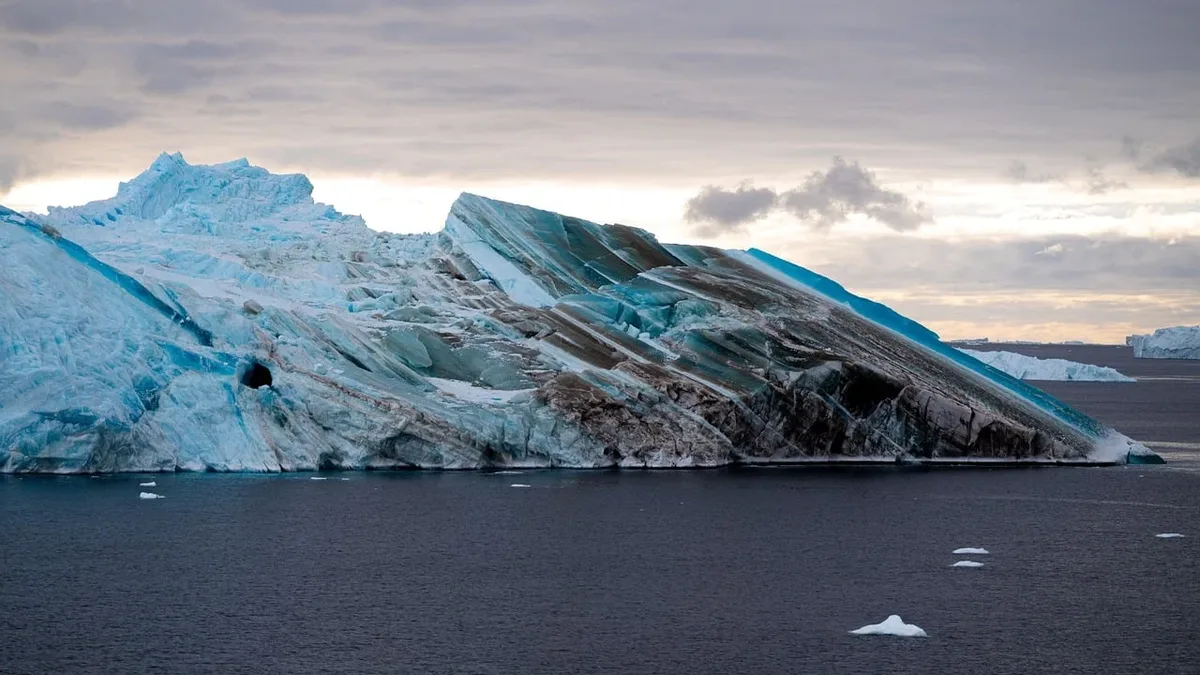
Brigham Young University geologists are mapping hidden underground ice reservoirs to assess their potential as a water source for the drought-stricken American West. Professor Greg Carling and his students spent six weeks hiking to nearly 100 rock glaciers across Utah and Colorado, collecting water and insect samples for analysis.
Snowmelt from mountains provides about 95% of Utah's water supply, but hotter, drier conditions are straining the system. The research, conducted in collaboration with the Utah Geological Survey and other state universities, focuses on rock glaciers. These slowly flowing masses of ice and debris, like the one feeding Emerald Lake on Mount Timpanogos, can store and release water long after seasonal snow has vanished.
Pinpointing hidden water sources
The primary challenge is locating these features to evaluate their water quality and contribution. The BYU team identified outlet streams from the rock glaciers during their extensive field campaign. They gathered samples of water and macroinvertebrates, which are small aquatic animals. Back in the laboratory, the researchers analyzed the water chemistry, including levels of trace metals.
Initial results are promising. The analyses show excellent water quality at most rock glacier outflows. This finding suggests these hidden reservoirs could provide clean water during the late summer months when other sources are depleted.
A global perspective on water scarcity
For graduate student Lerato Thoka-Cole, the project has direct implications for her home continent. "Africa is considered a very water-scarce continent, and much of its water is trapped in aquifers," Thoka-Cole said. She aims to apply the research knowledge gained to benefit drought-stressed communities there.
The fieldwork has also fostered a deeper environmental ethic among the students. Professor Carling observed that the experience has inspired them to be more conservation-minded. He noted they want to be better stewards of the landscape and water resources.
Informing future water management
The team hopes its findings will help shape future water management strategies for the region. Because rock glaciers release water gradually, they could offer a buffer against drought conditions for downstream communities. The study represents a detailed effort to catalog and understand a poorly mapped component of the mountain hydrologic system.
Carling expressed optimism about the next generation of environmental leaders. The research, he suggested, gives him hope for the future. The work continues as the team processes its samples and refines its understanding of these cryptic alpine water reserves.